
No products in the cart.
Life Style, Health
What Is PEMF Therapy? How It Works, Science-Backed Benefits, and Uses
30
Jan
Jan
PEMF therapy uses controlled electromagnetic pulses to support cellular activity and tissue response across medical, recovery, and wellness settings. Healthcare providers and performance focused clinics discuss this therapy more often due to growing research and wider clinical use.
Many people seek PEMF therapy to manage pain, support healing after injury, or improve physical recovery and daily function. Athletes, patients, and wellness focused individuals look for options that support cellular performance without invasive procedures.
The content ahead explains how PEMF therapy interacts with cells, outlines research supported benefits, and reviews common medical and wellness uses. Information also connects PEMF therapy to modern recovery approaches used by advanced clinics such as Hyperbaric Pro, where science driven therapies support long term health and performance goals.
What Is PEMF Therapy?
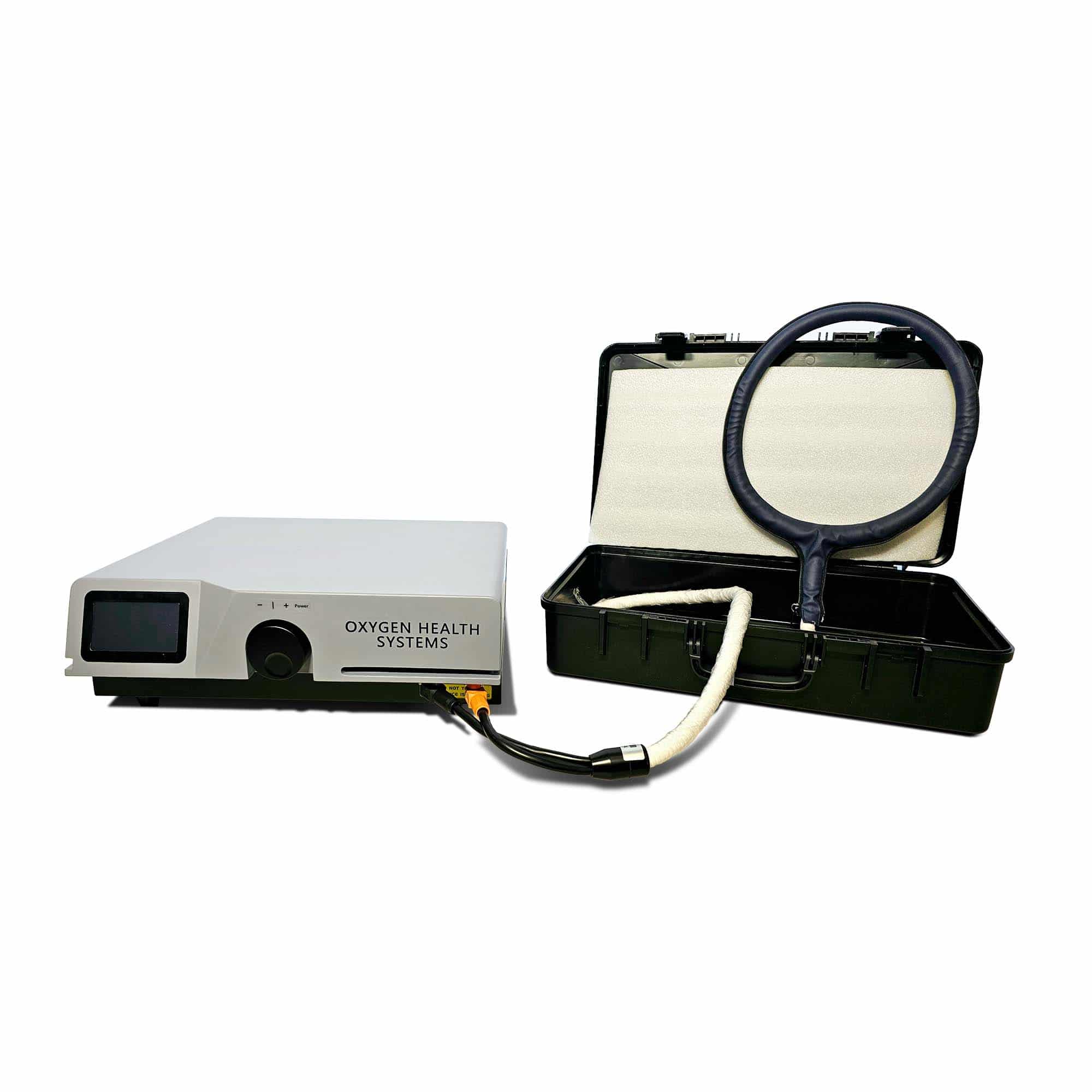
PEMF therapy refers to a noninvasive approach that applies controlled electromagnetic pulses to influence cellular activity. Medical providers and recovery focused clinics use this method to support pain management, tissue repair, circulation response, and cellular performance. Controlled signal delivery separates PEMF from general wellness trends and places it within evidence driven recovery care.
- Meaning of PEMF: PEMF stands for Pulsed Electromagnetic Field, describing timed electromagnetic signals designed to interact with cellular processes.
- Difference from static magnets: PEMF systems emit active pulses rather than constant magnetic force, allowing targeted biological response.
- Clinical background: Early medical use focused on bone healing and musculoskeletal recovery within rehabilitation settings.
- Device categories: Professional grade systems operate in clinics, while lower intensity units support supervised home use.
How Does PEMF Therapy Work?
PEMF therapy works at the cellular level by influencing how cells send signals, manage energy, and respond to physical stress. Electromagnetic pulses interact with natural electrical activity inside cells, which supports communication and recovery processes used in medical and performance focused care.
Interaction With Cells and Cell Membranes
Electromagnetic pulses affect cell membrane behavior and help regulate ion movement across the membrane. Improved ion exchange supports clearer cellular signaling, which allows cells to respond more efficiently to physical strain, inflammation, or tissue stress.
Effects on Cellular Energy (ATP Production)
Cellular activity relies on adenosine triphosphate (ATP) for energy. PEMF stimulation supports mitochondrial function, which can improve energy availability inside cells. Higher cellular energy levels support repair processes and physical recovery demands.
Impact on Circulation and Oxygen Delivery
Improved microcirculation supports blood flow at the tissue level. Enhanced circulation helps deliver oxygen and nutrients while assisting waste removal, which supports tissue response during recovery and wellness focused care.
Science-Backed Benefits of PEMF Therapy
Clinical studies associate PEMF therapy with measurable physiological responses that support recovery and physical function, with findings documented in peer reviewed medical research on pulsed electromagnetic fields. Research focuses on cellular signaling, circulation response, and nervous system activity, which explains growing use across medical and performance focused care settings.
- Pain and inflammation reduction: Electromagnetic stimulation influences cellular pathways linked to inflammatory response and discomfort control.
- Muscle and soft tissue recovery support: Cellular activation supports tissue response following physical strain or injury.
- Joint mobility and flexibility: Improved cellular response and circulation support joint comfort and movement.
- Bone healing and density support: Research highlights improved bone cell activity and structural recovery support.
- Nervous system regulation and relaxation: Stimulation supports parasympathetic activity and stress response control.
- Sleep quality and overall well being: Nervous system balance supports healthier sleep patterns and daily function.
What Conditions Is PEMF Therapy Used For?
Healthcare providers apply PEMF therapy across clinical, rehabilitation, and wellness environments to support conditions linked to inflammation, discomfort, and delayed tissue response. Medical teams and recovery focused clinics value this approach due to noninvasive delivery and cellular level support that fits modern recovery programs such as those used at Hyperbaric Pro.
- Chronic pain conditions: Cellular stimulation supports pain control for ongoing musculoskeletal discomfort.
- Musculoskeletal disorders: Joint, muscle, tendon, and ligament concerns benefit from improved cellular response.
- Post injury and post surgical recovery: Recovery protocols use stimulation to support tissue response after trauma.
- Sports recovery and physical rehabilitation: Athletic programs apply stimulation to reduce downtime.
- General wellness support: Nervous system balance supports stress management and fatigue reduction.
Is PEMF Therapy Supported by Research?
Clinical and laboratory research supports PEMF therapy across multiple medical and rehabilitation settings. Published studies show positive outcomes for pain control, bone repair, and inflammation response. Evidence continues to expand as researchers evaluate cellular response, circulation effects, and functional recovery across different use cases.
- Peer reviewed and clinical studies: Medical journals report measurable cellular and physiological responses linked to electromagnetic stimulation.
- Conditions with stronger evidence: Bone repair, pain control, and inflammation management show consistent research support.
- Areas with emerging research: Wellness applications and performance recovery continue to receive active investigation.
- Evidence based application: Healthcare supervision ensures appropriate use based on research findings and individual health needs.
Is PEMF Therapy Worth Considering?
PEMF therapy applies controlled electromagnetic signals to support cellular communication, energy production, and tissue response. Clinical use spans pain control, recovery support, and bone health. Research explains growing interest among medical and wellness providers seeking noninvasive options.
Research backed benefits include inflammation control, improved circulation response, and support for healing processes. Outcomes vary based on condition, treatment plan, and overall health. Consultation with qualified healthcare professionals helps align therapy choices with personal goals and existing care plans.
Educational understanding supports informed decisions about PEMF therapy as part of a broader recovery or wellness approach. Balanced expectations and professional guidance help individuals evaluate potential value without replacing medical advice from licensed providers.
FAQs
Does PEMF Therapy Really Work?
Clinical studies and clinical use show PEMF therapy can support pain control, recovery response, and cellular activity, with outcomes varying based on condition type and health status.
How Long Does It Take to See Results?
Response timelines vary by condition severity and session frequency. Some individuals notice changes sooner while others require repeated sessions for measurable improvement.
How Often Can PEMF Therapy Be Used?
Usage frequency depends on health goals and provider guidance, ranging from daily sessions to several treatments per week based on recovery needs.
Can PEMF Therapy Be Used at Home?
Home based devices provide lower intensity support for wellness use, while clinical systems deliver higher power levels under professional supervision.
Are There Any Side Effects?
Most individuals experience minimal effects, though short term fatigue, mild soreness, or brief lightheaded sensations may occur as circulation responses adjust.
