
No products in the cart.
Health
Hyperbaric Oxygen Therapy for Pets: Can Your Dog or Cat Benefit?
31
Jan
Jan
Pet care continues to evolve as owners and veterinary professionals seek supportive options that improve comfort and recovery. Hyperbaric oxygen therapy for pets has gained attention as one of several advanced veterinary treatments used alongside standard care. Interest often comes from a desire to support healing, manage inflammation, and improve overall outcomes without invasive procedures.
Oxygen therapy for pets focuses on delivering higher levels of oxygen under controlled conditions. Increased oxygen availability helps support natural biological processes involved in tissue repair and circulation. Veterinary teams consider this approach when traditional methods alone may not provide enough support, especially during recovery from injury or surgery.
Hyperbaric oxygen therapy does not replace veterinary diagnosis or treatment plans. Instead, veterinary professionals view it as a complementary option that works best under expert supervision. Informed decisions depend on understanding potential benefits, limitations, and appropriate use based on individual pet needs.
What Is Hyperbaric Oxygen Therapy for Pets?
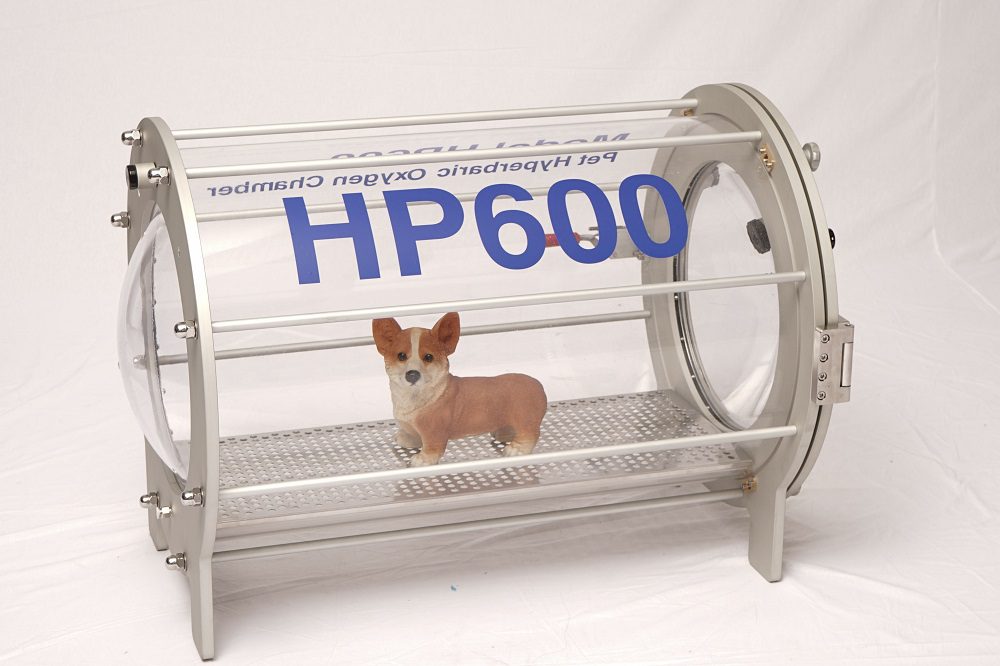
Hyperbaric oxygen therapy refers to a medical support method that places an animal inside a sealed chamber where oxygen levels rise under controlled pressure. Veterinary teams use concentrated oxygen and increased pressure to raise how much oxygen dissolves directly into blood plasma. Improved plasma saturation helps oxygen reach tissues that standard oxygen delivery cannot support as effectively.
Core elements below outline how veterinary teams apply pressurized oxygen and why results differ from conventional delivery.
- Meaning of HBOT: HBOT stands for hyperbaric oxygen therapy, describing oxygen delivery under pressure for animals receiving veterinary support.
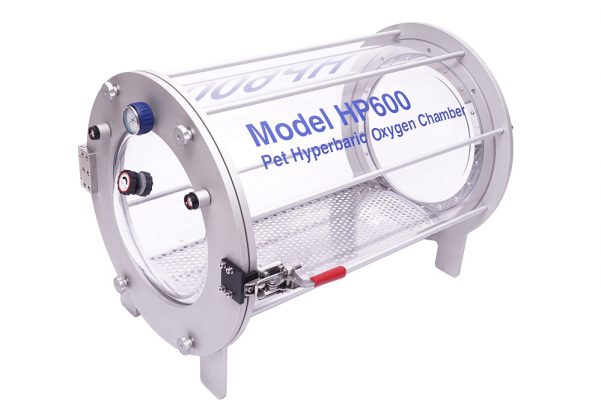
- Pressurized Chamber Design: A pet hyperbaric chamber maintains controlled pressure and oxygen concentration to improve oxygen availability safely.
- Oxygen Absorption: Increased pressure allows oxygen to dissolve into plasma, extending reach beyond red blood cells alone.
- Difference From Standard Oxygen: Conventional oxygen relies on breathing, while pressurized therapy increases dissolved oxygen reaching tissues directly.
- Clinical Oversight: Veterinary hyperbaric oxygen therapy requires trained supervision, monitoring, and equipment standards that support consistent outcomes.
Care teams select this approach when oxygen demand exceeds standard delivery capacity and when supervision and equipment quality remain available.
How Does Hyperbaric Oxygen Therapy Work in Dogs and Cats?
Hyperbaric oxygen therapy works by increasing oxygen availability beyond normal breathing capacity. Pressurized conditions allow oxygen to move directly into blood plasma instead of relying only on red blood cells. Improved plasma saturation helps oxygen reach areas with limited circulation, including injured or stressed tissues. Veterinary teams apply this approach to support natural repair processes without invasive intervention.
Physiological effects below explain how controlled pressure and oxygen exposure support tissue function in dogs and cats.
- Plasma Oxygen Increase: Pressurized environments push oxygen into blood plasma, expanding delivery capacity beyond hemoglobin dependent transport.
- Enhanced Tissue Reach: Higher dissolved oxygen levels improve access to tissues affected by swelling, trauma, or reduced circulation.
- Cellular Support: Oxygen delivery at the cellular level helps cells maintain energy production and structural stability during recovery.
- Inflammation Control: Increased oxygen availability supports processes that limit excessive swelling and promote balanced inflammatory responses.
- Tissue Repair Assistance: Improved oxygen supply aids collagen formation and supports natural repair mechanisms within soft tissue and bone.
Veterinary professionals consider hyperbaric oxygen therapy for dogs and hyperbaric oxygen therapy for cats when oxygen demand exceeds normal delivery capacity. Care teams rely on controlled pressure, trained oversight, and accurate monitoring to ensure consistent support. Clear biological principles guide use rather than assumptions or promises of outcome.
What Are the Potential Benefits of HBOT for Pets?
Veterinary teams consider supportive therapies when pets need added physiological support during recovery or healing. Controlled oxygen exposure under pressure offers several potential benefits when used alongside veterinary care. Each benefit focuses on supporting natural biological processes rather than replacing medical treatment.
Healing Support After Injury or Surgery
Enhanced oxygen availability helps tissues meet increased metabolic demands during recovery periods.
- Improved Tissue Repair: Higher oxygen levels support collagen formation and cellular activity involved in wound closure and structural repair.
- Post Procedure Support: Oxygen therapy for dogs and cats may assist recovery when surgical stress limits normal oxygen delivery.
Inflammation Reduction and Swelling Control
Balanced oxygen supply plays a role in managing inflammatory responses within injured tissues.
- Reduced Swelling Pressure: Increased oxygen delivery helps regulate fluid movement within tissues affected by trauma or strain.
- Cell Stress Support: Adequate oxygen levels help cells maintain function during inflammatory phases without overstimulation.
Infection Support and Wound Care
Oxygen availability influences immune response and tissue resistance during healing.
- Immune Function Assistance: Oxygen rich environments support white blood cell activity involved in infection response.
- Wound Environment Support: Veterinary wound healing therapies often include oxygen focused strategies to promote healthier tissue conditions.
Circulation and Oxygenation Improvement
Pressurized oxygen improves delivery beyond areas with restricted blood flow.
- Expanded Oxygen Reach: Dissolved oxygen travels through plasma to reach tissues with limited circulation.
- Microcirculation Support: Improved oxygen presence supports capillary level exchange during recovery phases.
Making Informed Choices About Hyperbaric Oxygen Therapy for Pets
Safety remains a primary concern when considering supportive therapies for animals. Hyperbaric oxygen therapy shows a strong safety profile when trained veterinary professionals manage treatment conditions. Controlled pressure, regulated oxygen levels, and continuous observation help reduce risk.
- Veterinary Oversight: Licensed professionals evaluate patient suitability, supervise sessions, and adjust protocols based on medical history.
- Pressure Regulation: Advanced systems control chamber pressure precisely, helping protect ears, lungs, and sensitive tissues.
- Oxygen Monitoring: Continuous monitoring ensures oxygen concentration stays within safe ranges throughout each treatment session.
- Patient Assessment: Pre session evaluations help identify conditions that may require modified protocols.
- Risk Awareness: Improper use without supervision may increase complications, reinforcing the need for trained clinical management.
What to Expect During a Hyperbaric Oxygen Session for Pets
Understanding each step of a hyperbaric oxygen therapy session for pets helps reduce uncertainty and builds confidence before treatment begins.
- Pre Session Preparation: Veterinary staff review medical history and confirm suitability before starting the HBOT treatment process.
- Comfortable Chamber Placement: Trained professionals position pets inside a transparent chamber designed for comfort and visibility.
- Gradual Pressurization: Chamber pressure increases slowly to allow natural adjustment while oxygen concentration rises.
- Continuous Monitoring: Veterinary teams observe behavior and breathing patterns throughout the session.
- Steady Oxygen Exposure: Oxygen delivery continues for a set period based on treatment goals and veterinary guidance.
- Controlled Decompression: Pressure returns to normal levels gradually, allowing a smooth transition.
- Post Session Observation: Staff monitor pets briefly after completion to confirm comfort and readiness to return home.
Guided Decisions on Hyperbaric Oxygen Therapy for Pets
Veterinary care continues to expand through supportive options that focus on safety, comfort, and recovery support. Hyperbaric oxygen therapy for pets fits within this approach by offering added oxygen availability under controlled conditions. Care teams view this method as an adjunct that supports biological processes rather than replacing established medical treatment.
Informed decisions rely on professional evaluation, individual health factors, and realistic expectations. Veterinary consultation helps determine whether supportive oxygen based care aligns with a broader treatment plan. Outcomes depend on timing, condition severity, and consistent supervision rather than a single intervention alone.
Professional standards play an important role in achieving safe and reliable use. Advanced veterinary care depends on accurate pressure control, oxygen management, and trained oversight. Complementary veterinary therapies work best when experienced teams select appropriate tools and apply them with precision and responsibility.
FAQs
Can hyperbaric oxygen therapy help both dogs and cats?
Veterinary teams use oxygen based support for both dogs and cats when health status and temperament allow. Individual assessment determines suitability based on condition, size, and medical history rather than species alone.
How long does a typical session last for pets?
Most sessions last between forty five and ninety minutes. Duration depends on treatment goals, clinical response, and comfort level rather than a fixed schedule.
Does hyperbaric oxygen therapy replace standard veterinary treatment?
Oxygen based support works alongside established care plans. Veterinarians integrate this method with diagnostics, medication, or surgery rather than using it as a standalone approach.
Do pets need sedation during treatment?
Most pets remain calm without sedation during supervised sessions. Gradual pressure changes and continuous monitoring help maintain comfort throughout exposure.
Who decides if oxygen based therapy suits a pet?
Licensed veterinary professionals evaluate medical history, current condition, and care goals before recommending supportive oxygen exposure.
