
No products in the cart.
Health
Hyperbaric Oxygen Therapy for ADHD Focus & Cognition
28
Jan
Jan
ADHD affects focus, attention, and self-regulation across both childhood and adulthood. Neurological differences influence how the brain processes information, manages impulses, and sustains concentration. Many individuals and families continue to search for supportive options that address daily challenges without relying only on medication.
Growing interest in alternative ADHD treatments has pushed more attention toward wellness-based and complementary approaches. Curiosity often centers on methods that support brain function, mental clarity, and overall well-being. A hyperbaric chamber for ADHD has emerged as one area gaining attention within these discussions, especially among health-conscious adults and parents seeking additional support options.
Hyperbaric oxygen therapy, often abbreviated HBOT, involves controlled exposure to oxygen in a pressurized environment. Ongoing research examines how oxygen delivery may relate to brain activity and cognitive performance. Content ahead focuses on education and current understanding, without promises, guarantees, or medical claims, and aligns with responsible, brand-safe health information.
What Is a Hyperbaric Chamber and How Does It Work?
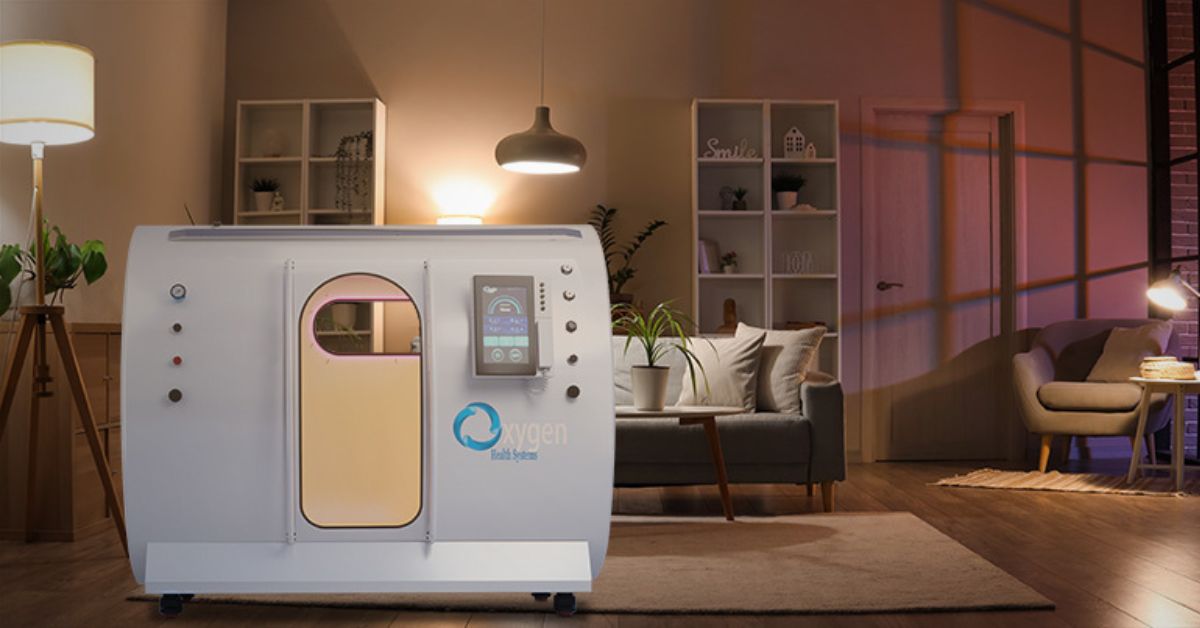
A hyperbaric oxygen chamber creates a controlled environment in which oxygen levels rise above normal atmospheric levels. Controlled pressure allows the body to absorb more oxygen during each breath. Medical and wellness communities study this method because oxygen plays a direct role in cellular activity and energy use, especially inside the brain.
Understanding Hyperbaric Oxygen Therapy (HBOT)
Hyperbaric oxygen therapy places an individual inside a sealed chamber while pressure rises gradually. Oxygen enters the bloodstream at a higher concentration than standard breathing allows. Blood plasma carries this oxygen throughout the body, supporting tissues that rely on a steady oxygen supply. Many professionals examine hyperbaric oxygen therapy’s ADHD connections due to oxygen’s influence on neurological processes and brain signaling.
Why Oxygen Levels Matter for Brain Function
Brain cells demand constant oxygen to support focus, attention, and mental clarity. Reduced oxygen availability may affect how neurons communicate. Research around HBOT for brain health focuses on how increased oxygen delivery may support cognitive activity. A hyperbaric oxygen chamber provides a structured environment that allows researchers to study these effects without introducing medication or invasive procedures.
Understanding ADHD and the Need for Alternative Approaches
Attention-related conditions affect how the brain manages focus, impulse control, and emotional responses. Daily routines often demand extra effort when concentration shifts quickly or mental fatigue sets in. Families and adults frequently seek supportive options that respect personal health choices while addressing everyday challenges practically.
Common ADHD Challenges in Children and Adults
Daily life may include recurring difficulties that influence school performance, work productivity, and personal relationships.
- Sustained focus limits: Maintaining attention during tasks, discussions, or instructions often requires added structure.
- Impulsive behavior patterns: Quick reactions or interruptions can affect planning and communication.
- Mental restlessness signs: Constant internal activity may disrupt calm and organized thinking.
- Organization struggles: Managing time, schedules, and priorities often feels demanding.
- Emotional regulation concerns: Stressful situations may trigger stronger emotional responses.
Why Some People Explore Non-Medication ADHD Therapies
Personal health goals, lifestyle preferences, and side effect concerns influence care decisions. Interest in non-medication ADHD therapies continues to grow among individuals seeking supportive options. Many view alternative ADHD treatments as additions that work alongside established ADHD management strategies rather than replacements for professional care.
How a Hyperbaric Chamber May Relate to ADHD
Interest continues to grow around how oxygen availability influences brain activity and mental performance. Oxygen supports cellular energy, neural signaling, and blood flow, all of which affect attention and cognitive function. Researchers examine connections between a hyperbaric chamber and ADHD because controlled oxygen exposure may support neurological processes without introducing medication.
Hyperbaric Oxygen Therapy and Brain Oxygenation
Hyperbaric oxygen therapy increases oxygen levels inside the bloodstream by combining pressure and concentrated oxygen. Brain tissue relies on steady oxygen delivery to support communication between neurons. Research attention around brain oxygen levels and ADHD focuses on how improved oxygen access may influence mental clarity, processing speed, and sustained attention in certain individuals.
Potential Areas of Support Being Studied
Current research interest centers on specific cognitive and neurological areas rather than guaranteed outcomes.
- Attention regulation support: Improved oxygen delivery may assist brain areas linked to sustained focus.
- Cognitive processing activity: Oxygen-rich environments may influence how quickly information moves through neural pathways.
- Mental fatigue response: Enhanced oxygen availability may support energy use during demanding tasks.
- Neurological balance research: Studies continue to assess how hyperbaric chamber treatment for ADHD fits within broader brain health research.
What Does Research Say About Hyperbaric Oxygen Therapy and ADHD?
Scientific interest continues to grow around how oxygen-based therapies influence brain activity and cognitive performance. Research discussions focus on understanding mechanisms rather than making treatment claims. Evidence often comes from broader neurological studies that examine oxygen delivery and brain function.
Overview of Existing Studies and Clinical Interest
Several studies examine how hyperbaric oxygen therapy affects cognitive function, blood flow, and neural activity. Research teams study HBOT research brain outcomes in areas such as attention, memory, and mental endurance. Direct studies focused only on hyperbaric oxygen therapy for ADHD remain limited, yet related findings help guide ongoing investigation into the neurological benefits of hyperbaric therapy.
Interpreting Findings Responsibly
Careful interpretation remains essential when reviewing available data. Medical professionals encourage individuals to view findings as informational rather than predictive. Professional guidance helps determine whether any wellness approach fits personal health needs, especially when considering supportive options alongside established care plans.
Potential Benefits and Limitations to Be Aware Of
Balanced discussion helps set realistic expectations when considering wellness based approaches. Hyperbaric oxygen related methods attract attention for possible supportive effects, yet individual response varies. Awareness of both potential upsides and practical limits supports informed decision making.
Potential Benefits
- Mental clarity: Assists brain activity during demanding tasks.
- Focus related interest: Supportive conversations around attention.
- Cellular energy: Supports how cells manage cognitive effort.
- Non-invasive: Appealing drug-free option.
Limitations & Risks
- Variable response: Results differ by health status.
- Medical screening: Certain conditions limit eligibility.
- No guarantees: Does not replace personalized care plans.
- Professional oversight: Essential for safe health planning.
How Hyperbaric Therapy Fits Into a Broader ADHD Management Plan
Care decisions often work best when multiple supportive approaches align with individual needs. Many people view hyperbaric therapy as one part of a broader wellness plan rather than a standalone solution. Ongoing medical guidance and behavioral support continue to play an important role when managing attention-related challenges.
Complementary, Not a Replacement
Hyperbaric chamber therapy for ADHD fits best as a complementary option alongside established ADHD treatment options. Healthcare providers often recommend combining wellness focused methods with behavioral strategies, lifestyle adjustments, and professional care. Responsible use supports balance while avoiding reliance on any single approach.
Who Typically Explores Hyperbaric Chamber Therapy for ADHD
Interest often comes from individuals seeking additional support within existing ADHD management strategies.
- Parents seeking support options: Families often research wellness based approaches to complement professional care.
- Adults focused on daily performance: Many adults look for non invasive methods that support focus and productivity.
- Health conscious individuals: Some pursue structured oxygen based methods as part of overall brain wellness planning.
Is a Hyperbaric Chamber for ADHD Worth Exploring?
Interest around hyperbaric oxygen therapy continues to grow as awareness increases about brain health and oxygen support. Controlled oxygen environments attract attention because oxygen plays a role in cognitive activity and mental performance. Many individuals view a hyperbaric chamber for ADHD as an option worth understanding rather than a promised solution.
Ongoing research continues to examine how oxygen based approaches relate to focus, attention, and neurological function. Current findings support continued study rather than firm conclusions. Careful review of available information helps set realistic expectations and reduces assumptions about outcomes.
Conversations with qualified healthcare professionals remain an important step before considering any wellness approach. Thoughtful discussion allows individuals and families to place ADHD alternative therapies within a broader care plan. Educational resources from Hyperbaric Pro support informed decisions without replacing professional guidance or personalized medical advice.
FAQs
Can a hyperbaric chamber help with focus related challenges?
Interest often centers on how oxygen delivery supports brain activity. Research reviews how increased oxygen availability may relate to attention and mental clarity. Findings remain under study and do not guarantee outcomes.
How does hyperbaric oxygen therapy differ from medication based care?
Medication works through chemical pathways that affect neurotransmitters. Hyperbaric oxygen therapy relies on controlled oxygen exposure inside a pressurized environment. Many individuals view oxygen based methods as supportive options rather than replacements.
Who should speak with a healthcare professional before considering HBOT?
Anyone managing attention related conditions benefits from professional input. Medical history, current treatments, and personal goals influence suitability. Guidance from qualified providers supports safe and informed decision making.
Does research confirm long term results for attention conditions?
Scientific studies continue to examine how oxygen based therapies affect brain function. Evidence related to cognitive activity exists, yet attention specific conclusions remain limited. Ongoing research shapes discussion rather than definitive claims.
What role does Hyperbaric Pro play in this space?
Hyperbaric Pro provides educational information about oxygen therapy and chamber technology. Content supports awareness and informed consideration without promoting medical promises. Resources encourage thoughtful discussion alongside professional care.
