
No products in the cart.
Health
Hyperbaric Oxygen Therapy for PTSD: Benefits and Process
PTSD affects emotional stability, sleep quality, focus, and nervous system function. Many people face difficulty with PTSD treatment because symptoms often involve both psychological stress and physical changes in brain activity. Standard approaches may help some individuals, yet others continue to experience lingering challenges that interfere with daily life and long-term recovery.
Hyperbaric oxygen therapy for PTSD offers a supportive approach that focuses on oxygen delivery at a cellular level. Sessions take place inside a pressurized environment where oxygen reaches areas linked to nerve signaling and brain health. Clinical use in neurological care has prompted growing interest in how increased oxygen exposure may support nerve function, including ways a hyperbaric chamber helps neuropathy linked to trauma.
Interest in alternative therapies for PTSD continues to grow as individuals seek options that complement professional care. Readers will learn how this therapy fits into a broader treatment plan, why realistic expectations matter, and why medical evaluation remains essential before starting.
What Is Hyperbaric Oxygen Therapy and How Does It Work?
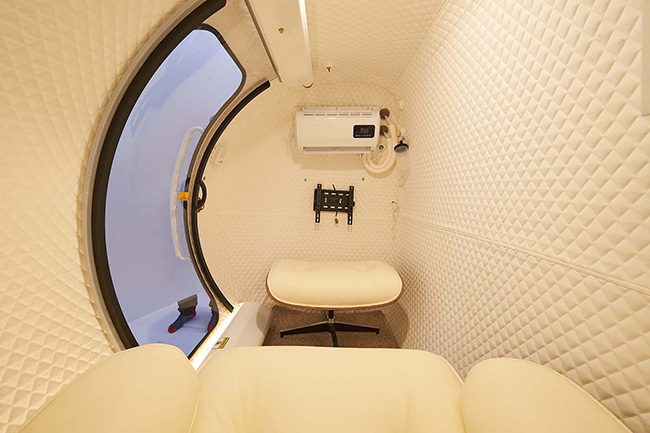
Hyperbaric oxygen therapy uses controlled oxygen delivery to support cellular and neurological function. Sessions take place inside a sealed chamber that increases air pressure above normal levels. Higher pressure allows the body to absorb more oxygen than standard breathing.
Medical teams use this method to support recovery in conditions linked to circulation, inflammation, and tissue repair. Growing interest in hyperbaric oxygen chamber PTSD care comes from its ability to support brain healing through improved oxygen availability.
- Pressurized Environment
A sealed chamber increases atmospheric pressure, allowing oxygen to dissolve more efficiently into blood plasma and tissues. - Concentrated Oxygen Delivery
Therapeutic oxygen enters the bloodstream at higher levels, supporting areas affected by stress or injury. - Cellular Oxygen Absorption
Improved oxygen uptake helps fuel cells involved in repair and neurological function.
Clinicians also apply this therapy in brain injury recovery and wound healing, which supports broader medical use.
How Does Hyperbaric Oxygen Therapy Help With PTSD?
PTSD alters how the brain processes stress, memory, and emotion. Trauma often disrupts oxygen delivery, increases inflammation, and weakens neural communication. Research now views post traumatic stress disorder therapy through a brain-based lens rather than a purely emotional one. Changes in blood flow and cellular energy affect how the nervous system responds to triggers. Interest in hyperbaric chambers and PTSD care grows because oxygen plays a direct role in brain function and repair. Increased oxygen availability supports areas affected by trauma and chronic stress.
- Improved Blood Flow to Key Brain Regions
Higher oxygen levels support circulation in areas linked to mood regulation, memory, and focus. - Reduced Neuroinflammation
Therapeutic oxygen helps calm inflammatory responses that interfere with healthy brain signaling. - Support for Neuroplasticity and Repair
Oxygen fuels cellular activity that supports neural adaptation and recovery, which aligns with neurotherapy for PTSD approaches.
This section explains mechanisms rather than outcomes, keeping focus on biological support rather than symptom claims.
Why Is Hyperbaric Chamber Therapy Effective for PTSD?
Clinical interest in hyperbaric chamber therapy for PTSD continues to grow as research explores how oxygen impacts brain function after trauma. Studies focusing on neurological recovery show improved cellular energy use and better communication between brain regions affected by chronic stress. Medical teams working with trauma survivors and veterans report measurable changes that support structured care plans rather than isolated symptom management. Brain-focused approaches now guide many PTSD treatment models, which places oxygen based support in a relevant role.
Improved Brain Metabolism
Higher oxygen availability supports energy production inside brain cells that regulate mood and cognition.
Reduced Symptom Severity
Patients often report calmer stress responses and improved emotional control when therapy supports brain stability.
Support for Neurological Recovery
Consistent oxygen exposure encourages brain healing pathways linked to adaptation and resilience.
Healthcare providers often position hyperbaric chamber PTSD treatment as one component within a broader plan that includes medical guidance and ongoing evaluation.
What Are the Benefits of Hyperbaric Oxygen Therapy for PTSD?
Many individuals explore hyperbaric oxygen therapy benefits because daily symptoms often affect emotional balance, sleep, and mental clarity. Supportive oxygen-based care focuses on improving how the brain and nervous system function under stress. Interest in hyperbaric chambers for PTSD use continues to grow among people seeking structured, non-invasive options that complement professional care rather than replace it.
- Reduced Anxiety and Hyperarousal: Oxygen-enriched sessions may help calm stress responses and support nervous system regulation.
- Improved Sleep Quality: Better oxygen delivery can support healthier sleep patterns and nighttime recovery.
- Enhanced Focus and Cognitive Clarity: Improved brain oxygen levels may assist attention, memory, and mental processing.
- Emotional Regulation Support: Balanced brain activity can help individuals manage emotional reactions more effectively.
- Potential for Long-Term Symptom Relief: Consistent therapy may support lasting improvements when combined with guided care and realistic expectations.
What Is the Hyperbaric Chamber PTSD Treatment Process Like?
People considering hyperbaric chamber treatment for PTSD often want clear expectations before starting. Structured care focuses on safety, personalization, and ongoing evaluation rather than one-size-fits-all sessions. Each step supports a guided PTSD treatment process under professional supervision.
1. Medical Evaluation and Consultation: A qualified provider reviews medical history, current symptoms, and overall health to confirm suitability.
2. Personalized Treatment Planning: Care teams define session frequency and duration based on individual needs and response goals.
3. Hyperbaric Chamber Sessions: Clients relax inside a pressurized chamber for scheduled sessions that usually last under two hours.
4. Monitoring Progress and Outcomes: Providers track responses, adjust plans when needed, and address mild effects such as ear pressure or fatigue.
Care teams emphasize communication and safety throughout hyperbaric chamber PTSD care to support consistent progress.
Is Hyperbaric Oxygen Therapy Right for PTSD?
Hyperbaric oxygen therapy for PTSD offers a supportive approach that focuses on brain and nervous system health rather than symptom suppression alone. Oxygen-based care may assist recovery by improving how the brain responds to stress and trauma when used alongside structured care.
Individual response varies based on health history, symptom severity, and overall treatment goals. Some people notice gradual improvements, while others require longer timelines or combined approaches. Realistic expectations help individuals make informed decisions without viewing any single option as a guaranteed solution.
Professional guidance plays a critical role when exploring PTSD treatment options. Licensed providers help assess suitability, monitor progress, and ensure safety throughout care. Continued learning and informed discussion support confident next steps without pressure or urgency.
FAQs
1. Can hyperbaric oxygen therapy support PTSD recovery?
Hyperbaric oxygen therapy for PTSD may support brain function by improving oxygen delivery to areas affected by stress and trauma. Many individuals explore this option as part of a broader care plan guided by medical professionals.
2. How long does it take to notice results from HBOT?
Response time varies based on individual health factors, session frequency, and treatment goals. Some people notice gradual changes after several sessions, while others require longer programs for meaningful progress.
3. Does hyperbaric therapy replace traditional PTSD treatment?
Hyperbaric care works best as a complementary approach. Counseling, medical oversight, and structured mental health support remain essential parts of PTSD treatment.
4. Is hyperbaric chamber therapy safe for most people?
Qualified providers screen candidates before starting care. Mild effects such as ear pressure or fatigue may occur, while professional supervision supports safe sessions.
5. Who should consult a professional before starting HBOT?
Individuals with existing medical conditions or ongoing treatments should seek clinical guidance first. Professional evaluation helps determine suitability and supports informed decision-making.
