
No products in the cart.
Life Style, Health, General
Hyperbaric Chamber for Dementia Patients
13
Jan
Jan
Dementia affects millions of people worldwide and changes how memory, thinking, and daily activities function over time. Families and caregivers often search for options that support brain health while fitting into long term care plans. Interest continues to grow around supportive approaches that focus on wellness rather than medication alone.
Many readers now explore hyperbaric chamber for dementia patients as part of that broader conversation. Research attention has increased around hyperbaric oxygen therapy for dementia due to its focus on oxygen delivery and brain function. Oxygen plays a central role in how brain cells produce energy and respond to stress, which explains why scientists study this approach.
Content on hyperbaric chamber and dementia remains educational in nature. Information shared here focuses on research findings, safety considerations, and realistic expectations. Hyperbaric Pro provides learning resources to help readers understand potential benefits and limits without offering medical advice or treatment claims.
Understanding Dementia and Cognitive Decline
Dementia describes a group of conditions that affect memory, thinking, and the ability to manage everyday activities. Cognitive decline often begins with mild forgetfulness and gradually interferes with communication, judgment, and problem solving. Families usually notice changes in behavior, confusion with familiar tasks, and difficulty following conversations as symptoms progress.
Dementia symptoms and progression vary from person to person, yet most forms worsen over time. Alzheimer’s vs dementia often creates confusion. Dementia acts as an umbrella term, while Alzheimer’s disease represents one specific and common cause. Both conditions disrupt cognitive function, yet each follows a different biological pathway.
Healthy brain function relies on steady blood flow and balanced oxygen levels. Brain cells need oxygen to produce energy and support memory, focus, and coordination. Reduced support in these areas may accelerate cognitive challenges.
How Reduced Oxygen Levels Affect Brain Function
Brain tissue consumes more oxygen than most organs. Limited oxygen delivery places stress on nerve cells and weakens communication between neurons. Brain inflammation and oxygen therapy appear closely linked in research because oxygen shortages can trigger inflammatory responses.
Cognitive function and oxygen levels remain connected through blood circulation. Poor circulation may reduce nutrient delivery and slow cellular repair. Ongoing studies explore oxygen based approaches to support neurological health by addressing these underlying stress factors.
What Is a Hyperbaric Chamber and Hyperbaric Oxygen Therapy (HBOT)?
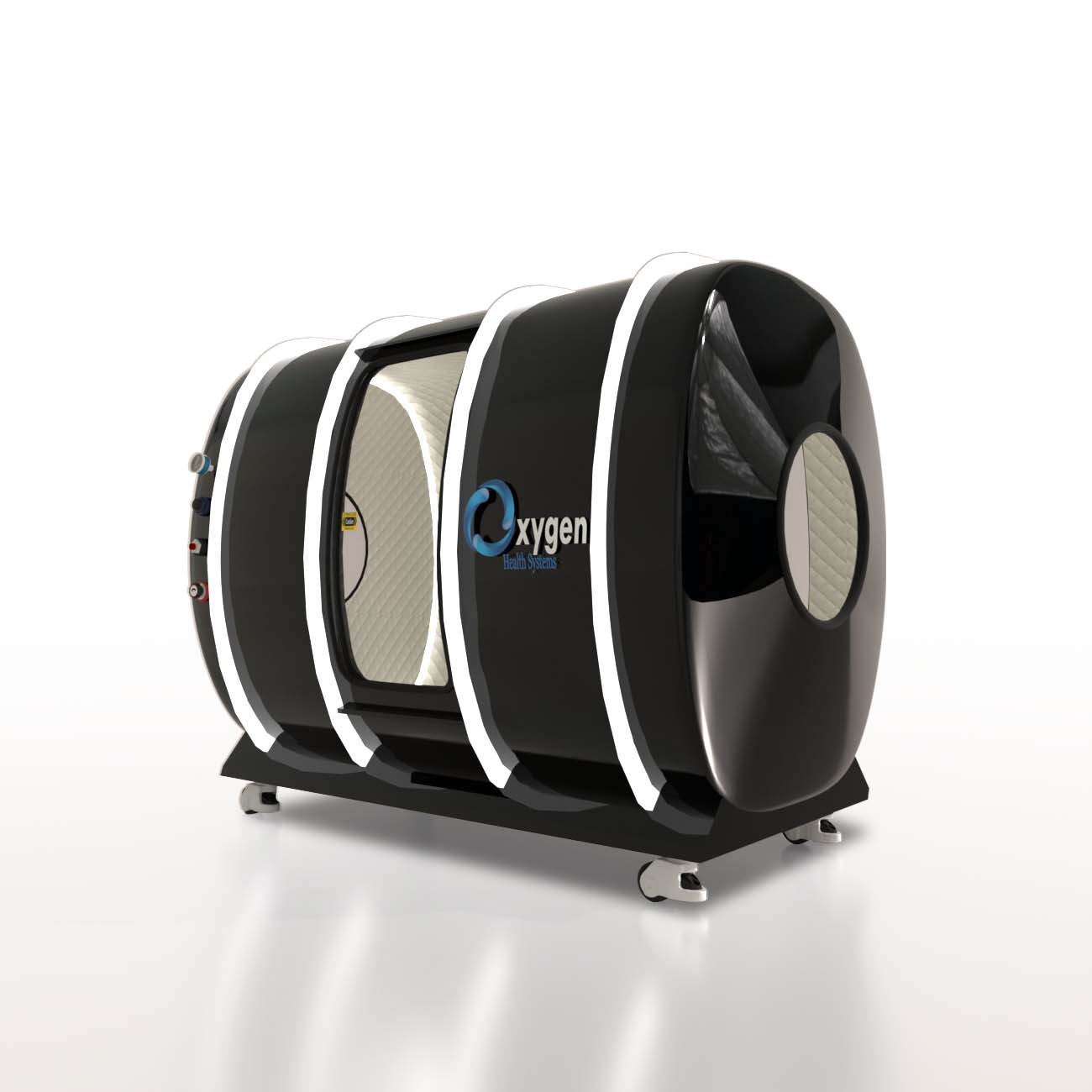
A hyperbaric chamber provides a sealed space where air pressure rises above normal levels. Users breathe oxygen inside this environment, which allows the body to absorb more oxygen than usual. Hyperbaric oxygen therapy uses pressure and oxygen together to support natural physiological processes rather than relying on medication.
Standard oxygen therapy delivers oxygen at normal air pressure through masks or tubes. Hyperbaric oxygen therapy increases both pressure and oxygen availability, which changes how oxygen moves through the body. Medical grade chambers follow strict engineering and safety standards, while wellness focused chambers support general use without medical claims. Education remains essential when exploring hyperbaric oxygen chamber dementia related topics.
- Higher Oxygen Absorption: Pressurized conditions help oxygen dissolve directly into blood plasma for broader circulation.
- Improved Tissue Oxygen Delivery: Oxygen reaches areas with limited blood flow more efficiently.
- Controlled Pressurized Environment: Chambers maintain stable pressure levels for consistent exposure.
How HBOT Supports Brain Health
Oxygen supports cellular energy production and tissue maintenance throughout the body. Brain cells rely heavily on oxygen to manage focus, memory, and coordination. Hyperbaric oxygen therapy brain health research often studies how increased oxygen availability supports these demands.
Neuroplasticity and oxygen connect through the brain ability to adapt and form new neural pathways. Adequate oxygen supports cellular repair and communication between neurons. Ongoing studies continue to examine these effects while avoiding treatment promises or medical guarantees.
How Hyperbaric Oxygen Therapy May Relate to Dementia
Researchers continue to explore supportive options that address underlying factors linked to cognitive decline. Interest around hyperbaric chamber for dementia grows because oxygen plays a key role in brain performance and cellular activity. Reduced oxygen delivery may affect memory, focus, and overall mental clarity, which explains why oxygen based approaches attract scientific attention.
Studies examine how oxygen therapy for cognitive decline may support brain tissue by improving oxygen availability, circulation, and cellular response. Increased oxygen exposure may help limit inflammatory stress and support healthier blood flow patterns. Hyperbaric chamber dementia patients often appear in research discussions as part of broader investigations into neurological wellness.
Hyperbaric oxygen therapy does not cure dementia or reverse disease progression. Research positions this approach as a complementary option that may support overall brain health. Realistic expectations help families evaluate emerging therapies with clarity and balance.
Hyperbaric Oxygen Therapy for Alzheimer’s Disease
Alzheimer’s disease often appears in HBOT for Alzheimer’s disease research due to its prevalence and impact on memory and cognition. Researchers study how oxygen delivery influences brain regions affected by plaque buildup and reduced circulation.
Overlap exists between Alzheimer’s and other dementia types, which explains shared research pathways. Hyperbaric chamber and Alzheimer’s discussions focus on observation and ongoing study rather than confirmed outcomes. Continued research aims to clarify potential roles without making clinical claims.

What Research Says About Hyperbaric Oxygen Therapy and Dementia
Scientific interest in oxygen based interventions continues to expand as researchers study non drug approaches for neurological health. HBOT research studies explore how pressurized oxygen environments influence brain activity, circulation, and cellular response in people with cognitive challenges. Study designs vary widely, ranging from small pilot trials to longer observational work, which shapes how results get interpreted.
Evidence around hyperbaric oxygen therapy for dementia remains developing rather than conclusive. Researchers report measured changes related to mental clarity, blood flow, and inflammatory markers, while also noting clear limitations. Hyperbaric oxygen chamber benefits for dementia often appear as supportive observations rather than clinical outcomes.
- Cognitive Response: Some studies report improved alertness and attention during structured observation periods.
- Brain Circulation: Research links oxygen exposure with changes in blood flow patterns and oxygen availability.
- Study Constraints: Small sample sizes and short durations limit broad conclusions.
Key Takeaways from Current HBOT Research
Research into alternative therapies for dementia continues to evolve across multiple disciplines.
- Possible Support Areas: Oxygen exposure may support circulation and cellular activity related to brain health.
- Unproven Outcomes: Long term cognitive improvement remains under investigation without confirmed conclusions.
- Need for More Data: Larger studies and longer follow ups remain essential to clarify potential roles.
Potential Benefits and Limitations of Using a Hyperbaric Chamber for Dementia Patients
Interest in supportive wellness options often leads families to explore hyperbaric chamber therapy for dementia. Decision making works best when benefits and limits appear clearly and without promotion. Hyperbaric chamber and dementia discussions require balance, especially when expectations involve long term neurological conditions. Understanding possible advantages alongside real constraints helps caregivers evaluate options with clarity and responsibility.
Potential Benefits
- Improved Oxygen Delivery: Supports availability in areas affected by reduced circulation.
- Cognitive Clarity: May help sustain alertness and mental engagement.
- Non-Invasive: Avoids pharmaceuticals and surgical intervention.
Limitations
- No Cure: Research does not confirm disease reversal or prevention.
- Variable Response: Outcomes differ based on health status and condition stage.
- Professional Oversight: Medical guidance remains strictly essential.
Safety, Eligibility, and Practical Considerations
Careful planning supports safe use when families explore hyperbaric chamber therapy for dementia. Older adults often manage multiple health factors, which makes screening and supervision essential. Medical evaluation helps identify risks related to oxygen exposure, pressure changes, and existing conditions.
Responsible use focuses on education, oversight, and alignment with broader care goals rather than quick outcomes.
Professional guidance plays a central role for hyperbaric chamber dementia patients. Physicians review medical history, medications, and tolerance factors before any session begins. Informed decisions protect comfort and safety while keeping expectations realistic.
- Age Related Factors: Advanced age may affect pressure tolerance, balance, and recovery needs.
- Existing Medical Conditions: Lung issues, ear concerns, and cardiovascular conditions require careful review.
- Professional Supervision: Qualified oversight ensures proper protocols and monitoring throughout use.
Common Misconceptions About Hyperbaric Chambers and Dementia
Misunderstandings often surround hyperbaric chamber and dementia discussions. Some people expect rapid improvement or disease reversal, which research does not support. Education helps clarify realistic roles and limits.
- No Cure Claims: HBOT does not cure dementia or stop progression.
- Supportive Role Only: Oxygen based approaches aim to support wellness, not replace medical care.
- Evidence Based Focus: Research guides use without guarantees or exaggerated outcomes.
Final Thoughts on Hyperbaric Chambers and Dementia Care
Interest in hyperbaric chamber for dementia patients continues to grow as research explores supportive ways to protect brain health. Hyperbaric oxygen therapy for dementia remains an emerging area rather than a proven solution. Current evidence encourages careful optimism grounded in science, safety, and realistic expectations.
Informed decisions require ongoing learning and professional input. Healthcare providers help families evaluate individual health factors and suitability before any oxygen based approach enters a care plan. Education plays a vital role in separating research driven insight from exaggerated claims.
Hyperbaric Pro supports this learning process by sharing clear, research focused information about hyperbaric technology. Commitment to education and transparency helps readers understand potential roles, limitations, and safety considerations without promoting treatment outcomes or medical advice.
FAQs
1. Can hyperbaric oxygen therapy cure dementia?
No evidence shows a cure for dementia through oxygen based methods. Research explores supportive effects on brain function and circulation rather than disease reversal.
2. Why do researchers study oxygen therapy for cognitive decline?
Oxygen supports brain cells, blood flow, and energy use. Scientific teams study these factors to understand how improved oxygen access may support neurological wellness.
3. Who should avoid using a hyperbaric chamber?
People with certain lung conditions, untreated ear problems, or specific cardiovascular issues may face higher risk. Medical evaluation helps determine suitability before use.
4. How long does research suggest effects may last?
Study timelines vary widely. Some observations note short term changes during study periods, while long term effects remain under investigation.
5. Where can families learn more about hyperbaric technology?
Educational resources from established manufacturers and research publications offer reliable information. Hyperbaric Pro provides research focused insights without making medical claims.
