
No products in the cart.
Life Style, Health
Hyperbaric Chamber vs Oxygen Mask: Which Delivers Better Results?
17
Jan
Jan
Many people explore oxygen therapy options to support recovery, wellness, and overall health. Confusion often arises when choosing between hyperbaric oxygen therapy and oxygen mask use. Each method delivers oxygen in a very different way and produces very different outcomes. Clear comparison helps readers understand which approach fits specific goals and expectations.
Oxygen therapy focuses on improving how the body absorbs and uses oxygen. Some methods increase oxygen levels through simple breathing support, while others change how oxygen reaches tissues. Healing with oxygen therapy depends on the delivery method, pressure, and depth of absorption. Understanding these differences creates realistic expectations before making a decision.
Results matter most when comparing oxygen delivery methods. Effectiveness relates to how much oxygen enters the bloodstream, how deeply it reaches tissues, and how consistently therapy works over time. Accurate knowledge supports safer, smarter choices for wellness recovery and medical support.
What Is a Hyperbaric Chamber?
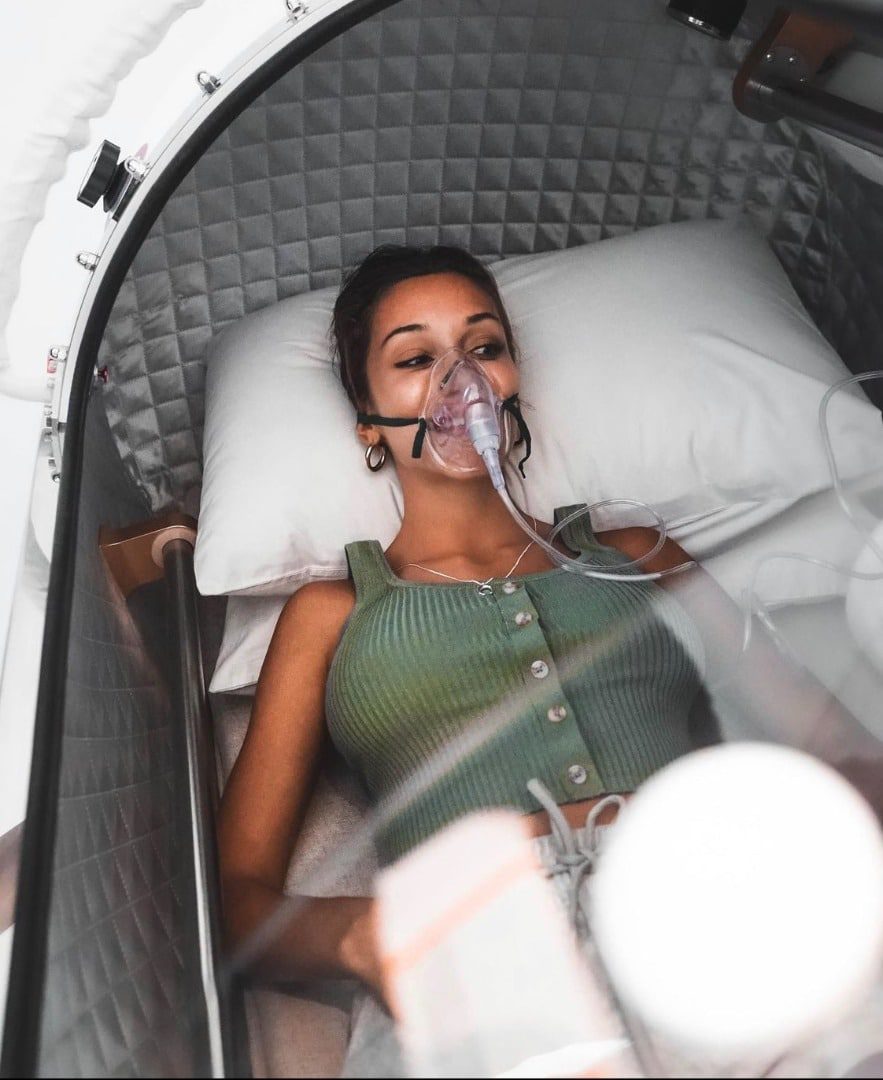
A hyperbaric chamber delivers oxygen inside a sealed environment where air pressure rises above normal levels. Users breathe concentrated oxygen while the chamber increases pressure measured in ATA. Higher pressure allows oxygen to dissolve more efficiently into blood plasma rather than relying only on red blood cells. Medical teams and wellness professionals use this approach to support recovery, cellular repair, and overall performance.
Hyperbaric oxygen therapy HBOT relies on controlled pressurized oxygen therapy to enhance how oxygen reaches tissues. Increased pressure drives oxygen deeper into areas that standard breathing cannot reach. Consistent exposure supports hyperbaric chamber effectiveness across wellness recovery and medical settings. Manufacturers design chambers using durable materials and precise controls to deliver medical-grade oxygen therapy safely and reliably.
How Pressure and ATA Improve Oxygen Delivery
Higher ATA levels change how oxygen moves through the body. Pressurized environments push oxygen beyond normal saturation limits. Tissues receive greater oxygen availability, which supports healing energy production and recovery at a cellular level.
What Is Oxygen Mask Therapy?
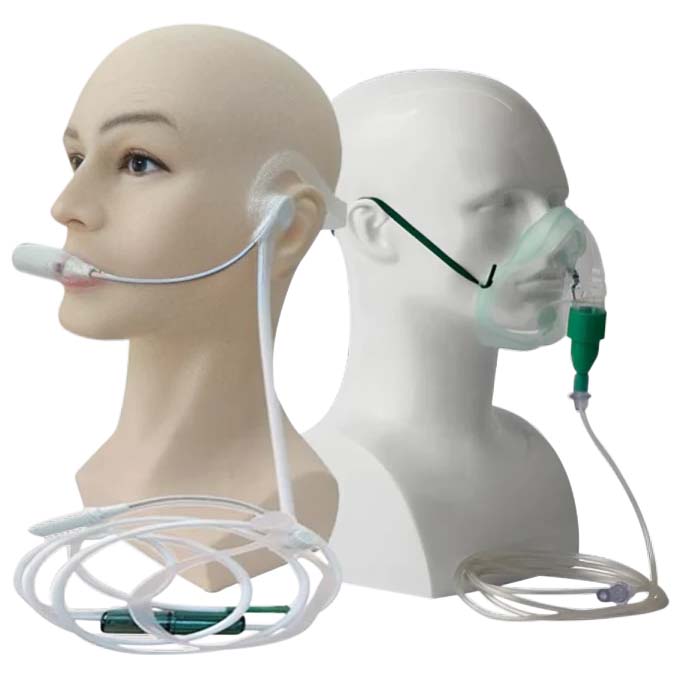
Oxygen mask therapy delivers supplemental oxygen through a face mask at normal air pressure. Users breathe enriched oxygen while the ambient pressure stays unchanged. Clinics, hospitals, and home settings often rely on this method to support breathing comfort and short-term oxygen needs. Oxygen mask therapy benefits people who need help maintaining steady blood oxygen levels without complex equipment.
Oxygen delivery methods using masks focus on surface-level support rather than deep tissue saturation. Oxygen enters the lungs through inhalation and travels through red blood cells in a standard way. Results depend on breathing rate, lung function, and session length. Expectations should stay realistic since oxygen masks cannot push oxygen beyond natural absorption limits.
How Oxygen Masks Affect Blood Oxygen Levels
Supplemental oxygen raises blood oxygen levels during active use. Normal pressure limits how much oxygen dissolves into plasma. Effects stop once sessions end, which makes oxygen mask therapy best suited for temporary support rather than long-term recovery or cellular repair.
How Do Hyperbaric Chambers and Oxygen Masks Actually Work?
Oxygen therapy effectiveness depends on how oxygen enters circulation and how deeply tissues absorb it. Pressure changes how oxygen behaves inside the body, while concentration only changes how much oxygen enters the lungs. Oxygen absorption in the body follows clear physical rules, which explain why results differ between these two methods. Understanding these mechanics prepares readers for a direct and practical comparison.
- Environmental pressure: Hyperbaric chambers increase pressure around the body, which changes how oxygen moves beyond normal breathing limits.
- Normal air pressure: Oxygen masks operate at standard pressure and only raise oxygen concentration during inhalation.
- Plasma oxygen delivery: Pressurized environments push oxygen directly into blood plasma oxygen instead of relying only on red blood cells.
- Concentration limits: Mask-based systems cannot force oxygen into plasma due to normal pressure constraints.
- Depth of impact: Pressure-driven therapy supports deeper tissue exposure while masks focus on surface-level circulation.
- Duration of effect: Pressurized oxygen vs normal pressure creates longer-lasting cellular availability rather than short-term support.
Hyperbaric Chamber vs Oxygen Mask: Key Differences That Affect Results
Results vary because each method influences oxygen absorption in a very different way. Pressure control, depth of exposure, and consistency determine how oxygen supports recovery and wellness outcomes. Comparing real-world performance clarifies why people experience stronger results with one option over the other.
Oxygen Absorption and Circulation
Hyperbaric chamber vs oxygen mask comparisons often start with oxygen absorption. Pressurized environments force oxygen beyond normal limits and allow plasma to carry dissolved oxygen. Mask-based systems rely on lung transfer through red blood cells only. Deeper circulation improves cellular access and supports healing with oxygen therapy at a broader level.
Tissue Reach and Recovery Impact
HBOT vs oxygen therapy differs most in tissue penetration. Pressurized sessions push oxygen into areas with limited blood flow, such as joints, soft tissue, and compromised zones. Mask delivery supports surface-level circulation but cannot reach deeper structures effectively. Greater tissue reach often leads to stronger recovery outcomes.
Consistency and Therapy Control
Hyperbaric chamber benefits include precise control over pressure oxygen levels and session length. Controlled environments deliver repeatable exposure across every session. Oxygen masks depend on breathing patterns, fit, and flow rates, which vary widely. Consistency plays a major role in long-term effectiveness.
Practical Use and Long-Term Results
Hyperbaric chambers support structured therapy plans for wellness recovery and performance. Oxygen masks fit short-term support needs such as temporary breathing assistance. Long-term goals usually require deeper oxygen delivery and repeatable exposure rather than momentary boosts.
Benefits and Limitations of Each Oxygen Therapy
Clear comparison builds trust and helps readers choose medical oxygen therapy options that match real needs. Each approach offers strengths and tradeoffs based on goals, usage setting, and desired outcomes. Balanced review reduces confusion and supports informed decisions.
Hyperbaric Chamber
- Deeper oxygen reach: Drives oxygen into plasma and tissues beyond normal circulation.
- Controlled delivery: Precision management of pressure and oxygen levels.
- Broader impact: Supports recovery performance and cellular function.
Limitations: Higher investment, space needs, and time commitment.
Oxygen Mask Therapy
- Easy access: Simple equipment fits clinical and home settings.
- Quick support: Helps raise oxygen intake during active use.
- Lower cost: Entry-level option for short-term needs.
Limitations: Limited absorption depth, temporary effects, variable fit results.
Which Oxygen Therapy Delivers Better Results for Most People?
Better results depend on how deeply oxygen supports recovery and how consistently sessions deliver benefits. Oxygen therapy comparison shows clear outcome differences once goals move beyond short-term breathing support. Many users seek measurable progress rather than temporary relief.
Hyperbaric chamber effectiveness often aligns with those expectations because pressurized sessions support deeper tissue oxygen use. HBOT results appeal to people focused on long-term wellness, athletic recovery, and structured care plans. Best oxygen therapy for healing usually matches therapy depth with recovery demands.
- Long-term recovery goals: Pressurized sessions support deeper oxygen delivery and sustained results.
- Short-term breathing support: Mask-based therapy helps during temporary oxygen needs.
- Consistency seekers: Structured chamber sessions deliver repeatable exposure over time.
- Wellness optimization: Full body oxygen exposure supports performance and recovery routines.
Choosing the Right Oxygen Therapy for Your Goals
Oxygen therapy options vary based on delivery depth, consistency, and long-term impact. Some methods support short-term breathing needs while others focus on deeper cellular support. Informed decisions start with understanding how oxygen enters tissues and how long the benefits last. Clear comparison helps people avoid unrealistic expectations and choose therapy with purpose.
Hyperbaric oxygen therapy stands apart when goals involve recovery performance and sustained wellness progress. Pressurized sessions support deeper oxygen use and more consistent outcomes. Long-term oxygen therapy results often depend on structured exposure rather than temporary boosts. Personal goals, lifestyle, and recovery needs should guide each choice.
Explore advanced chamber solutions built for safety, precision, and real-world use at Hyperbaric Pro. Speak with knowledgeable experts, review available systems, and take confident steps toward smarter oxygen support designed for lasting results.
FAQs
1. What makes a hyperbaric chamber different from an oxygen mask?
Hyperbaric chambers increase air pressure and change how oxygen enters circulation. Oxygen masks only increase oxygen intake during breathing at normal pressure, which limits the depth and duration of impact.
2. Can oxygen mask therapy replace hyperbaric oxygen sessions?
Oxygen mask therapy cannot deliver the same depth of oxygen exposure. Mask-based support helps with short-term oxygen needs but does not drive oxygen beyond normal absorption limits.
3. How long do results last with each oxygen therapy option?
Mask-based oxygen effects usually stop once sessions end. Pressurized exposure supports longer-lasting oxygen availability at a cellular level.
4. Who benefits most from hyperbaric oxygen therapy?
Athletes, wellness-focused individuals, and people seeking structured recovery often benefit most. Pressurized oxygen supports circulation, tissue support, and performance.
5. How should someone choose between these oxygen therapy options?
Short-term breathing needs align with mask use. Long-term recovery and wellness goals align better with chamber-based therapy. Professional guidance helps match expectations with results.
