
No products in the cart.
Life Style, Health, General
The Role of Hyperbaric Oxygen Therapy in Post-Workout Recovery for Professional Athletes
12
Jan
Jan
Elite training pushes muscles, joints, and the nervous system to their limits. Smart recovery allows athletes to return stronger, move better, and sustain peak output across long seasons. Performance gains depend as much on how the body repairs itself as on how hard it trains.
Hyperbaric chambers support recovery by increasing oxygen availability inside the body under controlled pressure. Athletes use this approach to support muscle repair, manage training stress, and maintain readiness between intense sessions. Modern sports programs now treat oxygen exposure as part of a structured recovery plan rather than an experimental add on.
This guide explains how hyperbaric chambers support post workout recovery, where they fit within professional training routines, and what science and real world use reveal. Readers will gain practical insight into recovery support, tissue repair, and long term athletic durability without marketing claims or clinical complexity.
Why Post Workout Recovery Is Critical for Professional Athletes
High level training pushes the body beyond normal limits. Intense sessions stress muscles, joints, and the nervous system in ways that demand structured recovery. Consistent recovery helps athletes maintain strength, precision, and mental focus while reducing long term wear across demanding schedules.
Elite performance depends on how well the body adapts after stress. Muscles rebuild, inflammation settles, and energy systems reset during recovery windows. Athletes who respect recovery protect durability and keep progress steady across seasons rather than short peaks.
Poor recovery slows growth and raises risk. Fatigue builds quietly, coordination drops, and motivation fades when repair time falls short. Professional programs now treat recovery as a core pillar of performance planning, not an afterthought.
- Muscle micro damage: Heavy lifting, sprinting, and contact training create small tissue tears that require proper repair to restore strength and flexibility.
- Inflammatory response: Intense effort triggers inflammation that supports healing but causes pain and stiffness when left unmanaged.
- Accumulated fatigue: Repeated training loads drain energy reserves and reduce output when rest remains incomplete.
- Nervous system strain: High volume workloads tax neural control, slowing reaction time and reducing movement efficiency.
- Injury and burnout risk: Ignored recovery increases soft tissue injuries, mental fatigue, and performance plateaus over time.
What Is Hyperbaric Oxygen Therapy and How Does It Work
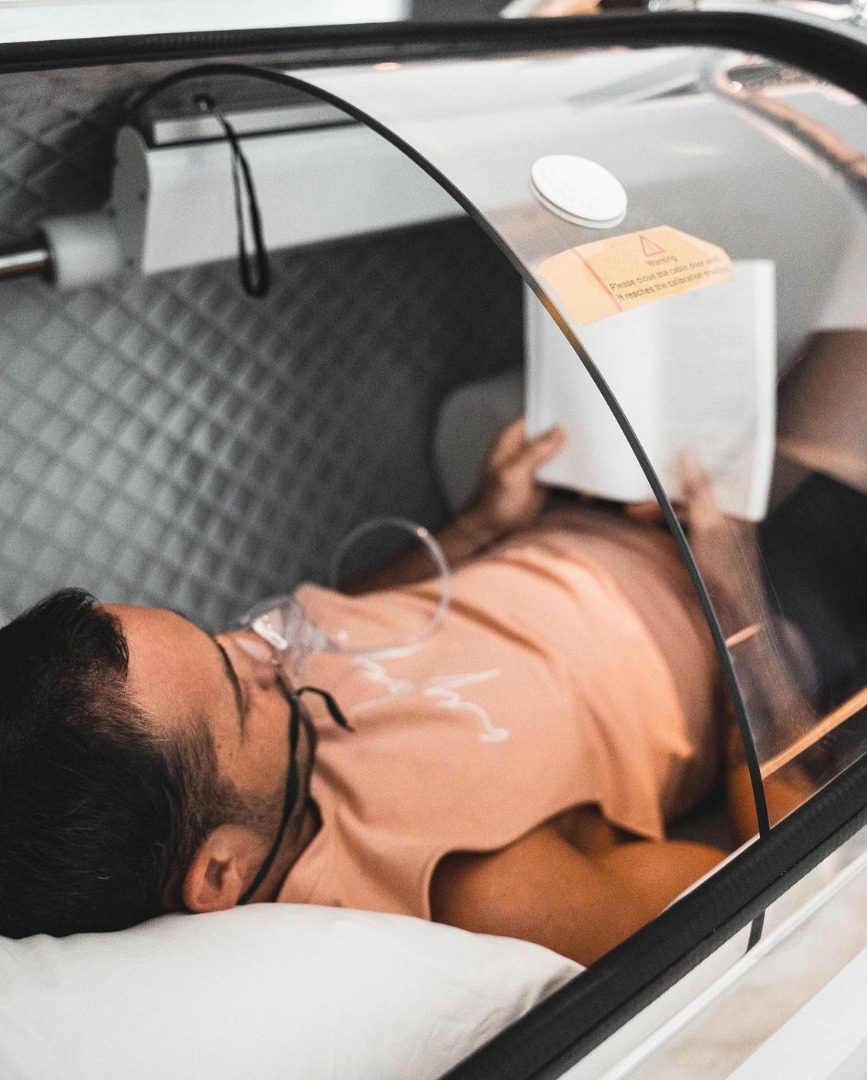
Hyperbaric oxygen therapy increases oxygen intake by placing the body in a pressurized chamber. Higher pressure allows lungs to absorb more oxygen than normal breathing conditions. Blood carries this oxygen deeper into tissues that struggle to receive enough supply during intense physical stress.
Under pressurized conditions, oxygen dissolves directly into blood plasma rather than relying only on red blood cells. This process improves oxygen availability throughout muscles, joints, and connective tissue. Enhanced oxygen access supports cellular repair, energy production, and tissue response after demanding training sessions.
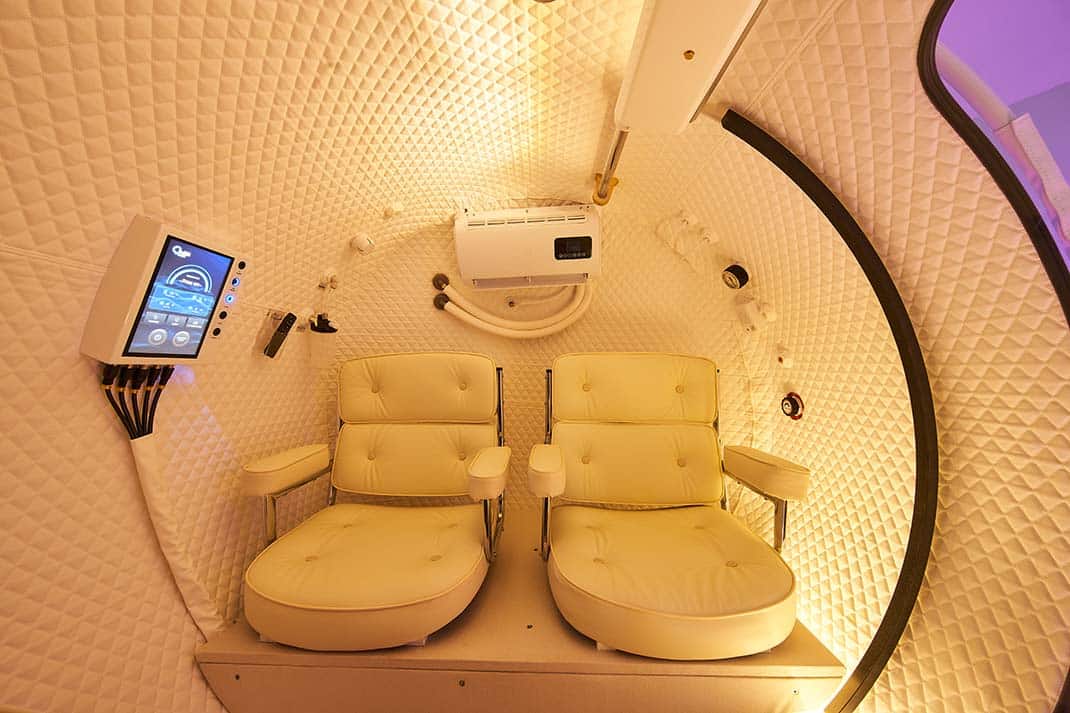
Athletes use hyperbaric chambers as a controlled recovery tool rather than a medical intervention. Sessions support physical reset between workouts, competitions, and travel demands. Sports programs integrate chamber use alongside nutrition, sleep, and mobility work to maintain consistent performance output.
Key Components of a Hyperbaric Chamber Session
- Pressure setting: Chamber pressure rises above normal atmospheric levels to increase oxygen absorption efficiency.
- Session length: Recovery sessions typically follow set time ranges that align with training intensity and workload.
- Oxygen environment: Clean oxygen rich air fills the chamber to support deeper tissue saturation.
- Passive recovery: Athletes rest inside the chamber without physical effort while oxygen supports internal recovery processes.
How Hyperbaric Chambers Support Muscle Recovery After Intense Training
Hard training places muscle fibers under repeated mechanical stress. Small tears form within muscle tissue after heavy loading and explosive movement. Recovery depends on how quickly cells receive oxygen and nutrients to rebuild damaged fibers and restore strength.
Increased oxygen availability supports cellular repair at a deeper level. Oxygen fuels energy production inside cells and supports protein synthesis needed for tissue rebuilding. Better oxygen access helps muscles restore structure and function after demanding sessions.
Faster repair allows athletes to return to training with improved readiness. Muscles regain flexibility, power, and coordination when recovery processes stay efficient. Consistent oxygen supported recovery helps maintain training frequency without sacrificing output or increasing breakdown risk.
Impact on Inflammation, Swelling, and Post Exercise Soreness
Intense training triggers an inflammatory response that supports repair but also causes stiffness and soreness. Delayed onset muscle soreness often appears when inflammation remains elevated between sessions. Managing this response helps athletes move freely and maintain consistent output during heavy training cycles.
Higher oxygen exposure supports tissue response after physical stress. Improved oxygen supply helps regulate cellular activity linked to inflammation control. Balanced tissue response reduces discomfort and supports smoother movement during recovery windows.
Fluid balance also plays a role in post exercise swelling. Pressurized oxygen environments support circulation and tissue exchange, which helps limit fluid buildup around stressed areas. Athletes who manage inflammation recover faster between sessions and reduce disruption to training rhythm.
- Delayed onset soreness: Muscle stiffness rises when inflammation lingers after intense effort, limiting range of motion and power.
- Inflammation regulation: Oxygen rich environments support healthier cellular signaling that helps control excessive inflammatory response.
- Swelling management: Improved circulation supports fluid movement and helps reduce localized swelling in stressed tissues.
- Training continuity: Better inflammation control allows athletes to maintain session quality across back to back training days.
Hyperbaric Chambers as Part of a Broader Athletic Recovery Strategy
Recovery works best when multiple methods support the body together. Pressurized oxygen sessions fit alongside sleep, hydration, nutrition, mobility work, and light movement. Each method addresses a different recovery need, which helps athletes stay consistent across demanding schedules.
Passive recovery tools and active recovery approaches serve different roles. Active methods such as mobility drills and low intensity movement improve circulation and joint control. Passive options such as chamber sessions support internal repair without adding physical load. Balanced programs use both to protect output while limiting stress.
Pressurized oxygen use does not replace rest or nutrition. Quality sleep restores nervous system function and hormone balance. Proper fueling supplies building blocks for tissue repair. Professionals integrate chamber sessions to support recovery timing and readiness, not to bypass foundational recovery habits.
Who Benefits Most From Hyperbaric Recovery Tools
- Athletes with dense training schedules: Frequent sessions and limited rest windows increase recovery demand and require efficient support methods.
- Competitors exiting intense seasons: Post competition phases place high stress on tissues and benefit from structured recovery support.
- High performance individuals managing fatigue: Long term training loads create cumulative strain that responds well to passive recovery integration.
Common Misconceptions and Limitations of Hyperbaric Recovery
Pressurized oxygen recovery often attracts unrealistic expectations. Clear understanding helps athletes use this tool correctly and avoid disappointment. Evidence supports recovery support benefits, yet results depend on proper use, timing, and individual response rather than quick fixes.
- Expectation of instant results: Recovery support builds benefits over repeated sessions rather than delivering immediate changes after one use.
- Confusion with medical treatment: Chamber sessions for athletes support recovery and performance readiness, not clinical treatment or injury diagnosis.
- Lack of consistency: Irregular use limits effectiveness since recovery systems respond best to structured routines.
- Individual response differences: Training history, workload, sleep quality, and nutrition influence how each athlete responds to oxygen exposure.
- Overstated claims: Research supports recovery assistance, yet responsible use avoids exaggerated promises and focuses on practical outcomes.
What the Research and Real World Use Tell Us
Research continues to examine how increased oxygen availability supports recovery after intense physical stress. Studies focus on tissue response, circulation, and cellular repair rather than short term performance boosts. Evidence points toward recovery support benefits when athletes follow structured protocols and pair oxygen exposure with proper training management.
Professional sports organizations have steadily adopted chamber use as part of long term recovery planning. Teams and individual athletes report improved training consistency and better tolerance to heavy workloads. Practical use emphasizes recovery maintenance across seasons instead of quick fixes before competition.
Athlete feedback often aligns with research direction while adding real world context. Many professionals report improved readiness and reduced soreness when sessions follow demanding training blocks. Recovery science continues to evolve as researchers refine protocols and study long term outcomes across different sports.
| Research Focus | Real World Application |
|---|---|
| Cellular oxygen delivery | Support for muscle repair between sessions |
| Inflammation response | Improved comfort during heavy training phases |
| Circulation and tissue exchange | Better recovery flow after intense workloads |
| Long term adaptation | Sustainable training consistency across seasons |
The Role of Hyperbaric Chambers in Modern Athletic Recovery
Recovery defines how long athletes sustain peak performance. Pressurized oxygen sessions support muscle repair, inflammation control, and training readiness when used with intent. Professional recovery plans now place oxygen exposure alongside sleep, nutrition, and movement rather than treating it as a trend.
Smart use requires balance. Chamber sessions support recovery but never replace rest, fueling, or intelligent training design. Athletes and support teams gain value when decisions rely on evidence, individual response, and long term planning instead of short term promises.
Recovery technology continues to evolve as sports science advances. Ongoing research and real world adoption point toward more refined protocols and better integration across training systems. Athletes who stay informed and adaptable position themselves for durability, consistency, and sustained excellence at the highest level.
FAQs
1. How often should professional athletes use hyperbaric chambers for recovery?
Usage frequency depends on training load, competition schedule, and individual recovery needs. Many athletes include sessions during heavy training blocks or intense competition phases to support consistent readiness.
2. Can hyperbaric chamber sessions replace rest days or sleep?
Hyperbaric sessions support recovery but never replace rest or sleep. Quality sleep restores nervous system balance and hormone function, which remain essential for long term performance.
3. How long does a typical recovery session last inside a chamber?
Session length usually follows structured time ranges based on workload and recovery goals. Athletes often align session timing with training intensity rather than using a fixed duration for every session.
4. Do all athletes respond the same way to pressurized oxygen recovery?
Individual response varies based on fitness level, training history, nutrition, and overall recovery habits. Monitoring personal feedback helps athletes adjust usage for best results.
5. Is hyperbaric recovery suitable only for injured athletes?
Healthy athletes also use chamber sessions to manage fatigue, support tissue repair, and maintain performance during demanding schedules. Injury recovery represents only one use case within broader recovery planning.
