
No products in the cart.
Health
How Does Hyperbaric Therapy Affect Metabolism and Energy
10
Mar
Mar
Metabolism controls how the body converts nutrients into usable fuel. Cells require steady oxygen supply to produce cellular energy through biochemical reactions. Oxygen supports mitochondrial activity that powers tissues, organs, and physical performance. Question often arises: how does hyperbaric therapy affect metabolism and cellular energy production.
Hyperbaric oxygen therapy increases oxygen concentration in blood and tissues through controlled pressure inside a hyperbaric chamber. Higher oxygen availability supports metabolic reactions that depend on efficient energy production. Oxygen therapy may improve cellular oxygen delivery and support mitochondrial activity that drives metabolism throughout the body.
What Is Metabolism and Why Does It Matter?
Metabolism includes chemical reactions that convert nutrients into usable energy. Cells rely on these reactions to support movement, tissue repair, and organ function. Efficient metabolic activity allows muscles, brain cells, and organs to maintain consistent energy supply. Oxygen plays an important role in energy metabolism because cells use oxygen to release energy during cellular respiration.
Healthy metabolic processes help maintain body temperature, support physical activity, and repair damaged tissues. Reduced oxygen supply limits cellular energy production and slows important biological reactions.
Key Components of Metabolism
Several biological reactions work together to maintain stable energy production inside cells. Each component supports cellular metabolism and helps convert nutrients into usable energy.
- • Catabolism: Catabolic reactions break down carbohydrates, fats, and proteins into smaller molecules that release usable energy for cellular activity.
- • Anabolism: Anabolic reactions use available energy to build proteins, enzymes, and structural molecules required for tissue growth and repair.
- • Cellular respiration: Cellular respiration converts glucose and oxygen into ATP energy that powers muscle movement, organ activity, and cellular functions.
What Is Hyperbaric Oxygen Therapy (HBOT)?
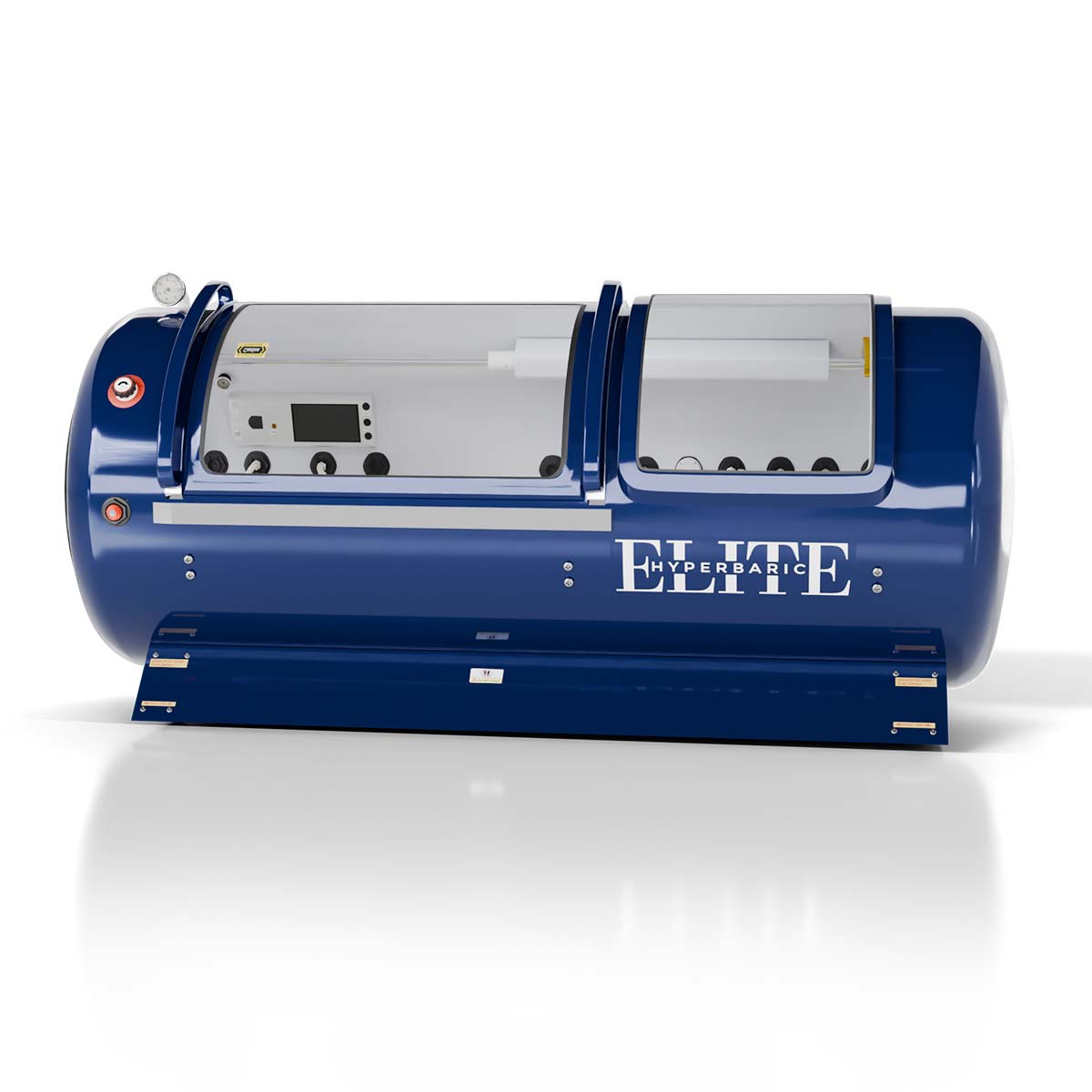
Hyperbaric oxygen therapy uses controlled pressure and high oxygen concentration to increase oxygen absorption in blood and tissues. Medical professionals and wellness centers use hyperbaric chambers to deliver oxygen therapy treatment in a regulated environment. Increased pressure allows oxygen to dissolve more efficiently into plasma and circulate throughout the body. Greater oxygen availability supports tissue oxygenation and improves physiological recovery processes.
Modern hyperbaric chamber systems provide structured therapy sessions designed to enhance oxygen delivery beyond normal breathing conditions.
How HBOT Sessions Work
Hyperbaric oxygen therapy follows a structured treatment process that allows oxygen to reach tissues more efficiently during controlled sessions.
1. Entering the hyperbaric chamber
Individual sits or lies inside a sealed hyperbaric chamber designed to safely deliver oxygen therapy treatment.
2. Increased atmospheric pressure
Chamber gradually increases internal pressure above normal air levels to enhance oxygen absorption throughout circulating blood plasma.
3. Breathing concentrated oxygen
Individual breathes high concentration oxygen which significantly raises oxygen levels carried through blood and body tissues.
4. Oxygen dissolves into plasma and tissues
Pressurized oxygen dissolves directly into blood plasma allowing improved circulation and deeper oxygen delivery across tissues.
How Does Hyperbaric Therapy Affect Metabolism?
Hyperbaric oxygen therapy raises oxygen concentration in blood circulation and body tissues through controlled pressurization. Higher oxygen levels support biochemical reactions that produce cellular energy. Cells require oxygen to convert nutrients into usable fuel through metabolic pathways.
Elevated oxygen availability improves efficiency of cellular metabolism and energy production. Mitochondria use oxygen during ATP synthesis which powers muscle activity, tissue repair, and organ function. Increased oxygen saturation during therapy allows cells to maintain stable metabolic activity even in areas with limited circulation.
Improved oxygen supply also supports enzyme activity and nutrient breakdown. Enhanced metabolic reactions help cells generate energy more efficiently and sustain normal biological performance.
Increased Oxygen Availability and Cellular Metabolism
Pressurized oxygen therapy improves oxygen transport throughout circulation and tissues. Blood plasma carries additional oxygen during treatment, which allows oxygen to reach areas that receive limited oxygen under normal conditions. Greater oxygen availability supports metabolic reactions that depend on efficient energy production.
Improved tissue oxygenation strengthens cellular respiration and supports nutrient conversion into usable energy. Cells perform metabolic functions more efficiently when oxygen supply remains consistent.
Why Oxygen Matters for Metabolism
Oxygen supports several biological functions that maintain cellular activity and energy production.
• Supports ATP generation: Oxygen enables mitochondria to produce ATP molecules that power muscular activity, organ function, and daily physiological processes.
• Improves nutrient utilization: Adequate oxygen supply helps cells convert carbohydrates, fats, and proteins into usable biochemical energy efficiently.
• Enhances cellular repair: Oxygen delivery to cells supports tissue regeneration processes that rely on active metabolic reactions for recovery.
How Hyperbaric Therapy Supports Mitochondrial Function
Mitochondria act as energy producers inside cells. Strong mitochondrial function allows cells to maintain stable metabolic activity and energy output. Oxygen supply plays an important role in mitochondrial reactions that convert nutrients into usable fuel. Pressurized oxygen exposure during therapy increases oxygen concentration available for these reactions.
[Image of oxidative phosphorylation in mitochondria]Higher oxygen levels support oxidative phosphorylation inside mitochondria. Improved oxygen supply allows cells to sustain steady metabolic activity and energy generation. Increased mitochondrial activity helps tissues maintain energy balance and supports physiological performance.
Role of Mitochondria in Energy Production
Mitochondria support energy metabolism by converting nutrients and oxygen into biochemical energy used throughout the body.
- ATP generation: Mitochondria produce ATP molecules that supply usable cellular energy required for muscle contraction and organ performance.
- Cellular energy supply: Continuous mitochondrial activity maintains stable cellular energy levels needed for tissue repair and biological maintenance.
- Metabolic efficiency: Healthy mitochondrial function improves metabolic activity by supporting efficient conversion of nutrients into energy.
Hyperbaric Oxygen Therapy and ATP (Energy) Production
ATP acts as a primary energy source that fuels biological activity inside cells. Cellular processes rely on ATP to maintain muscle movement, nerve signaling, and tissue maintenance. Oxygen availability strongly influences ATP synthesis because cells require oxygen during energy producing reactions.
Pressurized oxygen exposure increases oxygen concentration in tissues. Greater oxygen supply supports metabolic reactions that produce ATP molecules. Enhanced ATP availability allows cells to sustain higher metabolic energy output and maintain physiological function.
Why ATP Matters for Metabolism
• Muscle activity: ATP powers muscle contractions required for movement, physical performance, and routine body functions.
• Cellular repair: Cells use ATP energy to support tissue regeneration and repair processes after injury or metabolic stress.
• Energy balance: Stable ATP production helps maintain metabolic energy balance that supports consistent cellular activity across organs.
Effects of HBOT on Inflammation and Oxidative Stress
Inflammation influences how efficiently cells produce and use energy. Long lasting inflammatory activity disrupts metabolic balance and slows tissue repair. Hyperbaric oxygen exposure increases oxygen supply in tissues, which supports biological responses that regulate oxidative stress. Improved oxygen circulation allows cells to maintain healthier metabolic function during recovery and repair processes.
Higher oxygen levels also support antioxidant activity that protects cells from damage caused by unstable molecules. Reduced oxidative stress allows cells to maintain stable metabolic reactions and sustain consistent physiological performance.
How Reduced Inflammation Supports Metabolism
- Improved circulation: Reduced inflammation supports healthier blood flow which improves nutrient delivery and oxygen transport across body tissues.
- Better oxygen utilization: Balanced cellular conditions allow tissues to use oxygen more efficiently during biochemical reactions that support metabolic activity.
- Enhanced recovery: Faster tissue repair supports metabolic stability and helps maintain normal energy production during physical recovery processes.
Potential Metabolic Benefits of Hyperbaric Oxygen Therapy
Improved oxygen delivery supports several biological processes that influence metabolic performance. Greater oxygen availability allows cells to maintain steady biochemical activity that supports energy generation and tissue repair.
Improved energy production
Higher oxygen supply supports cellular reactions that convert nutrients into usable biochemical energy.
Better cellular function
Consistent oxygen delivery helps cells maintain stable metabolic reactions for tissue maintenance.
Enhanced recovery
Increased oxygen circulation supports faster tissue repair and restores metabolic balance.
Greater metabolic efficiency
Efficient oxygen utilization allows cells to generate energy with fewer limitations.
How Oxygen Therapy Supports Metabolic Function
Hyperbaric oxygen therapy increases oxygen availability inside blood circulation and body tissues. Higher oxygen concentration supports mitochondrial activity that produces cellular energy required for daily biological functions. Improved oxygen supply also helps cells maintain stable metabolic reactions that convert nutrients into usable energy.
Stronger oxygen delivery supports ATP generation and allows tissues to maintain efficient metabolic activity. Consistent oxygen exposure may support energy production, tissue repair, and overall metabolic balance.
Hyperbaric chambers used in oxygen therapy treatment create controlled environments that increase oxygen absorption beyond normal breathing conditions. Clinics, wellness centers, and recovery facilities often use hyperbaric systems to support physiological performance and metabolic health.
FAQs
Does hyperbaric oxygen therapy increase metabolism?
Hyperbaric oxygen therapy raises oxygen levels in blood and tissues. Higher oxygen availability supports metabolic reactions that produce cellular energy.
Can HBOT improve cellular energy production?
HBOT increases oxygen delivery to mitochondria. Improved oxygen supply helps cells generate ATP that powers biological activity.
How many hyperbaric sessions affect metabolism?
Treatment plans vary based on health goals. Many programs include repeated sessions across several weeks to support metabolic activity.
Is hyperbaric therapy safe for metabolic health?
Medical supervision and controlled chamber pressure help maintain safe oxygen exposure during treatment.
Can oxygen therapy support recovery after physical stress?
Improved oxygen circulation supports tissue repair and helps restore normal metabolic activity after intense physical effort.
