
No products in the cart.
General
What Makes a Hyperbaric Chamber Medical Grade?
26
Feb
Feb
What Makes a Hyperbaric Chamber Medical Grade?
Medical grade classification depends on measurable pressure capability and clinical design standards. Systems operating above 1.5 ATA and reaching up to 3.0 ATA fall into structured medical use categories. Elevated pressure increases dissolved oxygen levels and shifts equipment from mild wellness support to supervised therapeutic environments.
Many types of hyperbaric chambers appear similar on the surface, yet pressure range and construction determine classification. Reinforced hard shell systems, integrated monitoring controls, and defined compression protocols distinguish medical grade equipment. Clear understanding of how hyperbaric chambers work explains why pressure, structure, and professional oversight together define true medical use standards.
Pressure Threshold: Why 1.5 ATA Is the Defining Line
Pressure capability separates mild wellness systems from true medical equipment. Units operating between 1.3 and 1.5 ATA support general oxygen enrichment, while systems exceeding 1.5 ATA enter regulated clinical territory. Once pressure moves beyond that threshold, oxygen dissolves into plasma at substantially higher levels.
Elevated hyperbaric oxygen therapy pressure levels increase oxygen solubility in blood independent of hemoglobin. That shift forms the physiological basis for medical classification. Clinical protocols rely on measurable pressure intensity, not marketing labels.
Oxygen Intensity Above 1.5 ATA
Operation above 1.5 ATA significantly increases dissolved oxygen concentration in plasma. Higher pressure strengthens the oxygen gradient between blood and tissue, supporting deeper diffusion. Discussions around 1 5 ATA hyperbaric chamber benefits often center on this transition point where intensity begins to support structured medical protocols.
Why 3.0 ATA Represents Hospital Level Systems
Hospital grade systems may reach 2.0 to 3.0 ATA under supervised environments. Higher pressure reflects controlled treatment protocols used in advanced clinical settings. In medical terminology, hyperbarism definition refers to exposure to elevated atmospheric pressure, and 3.0 ATA represents the upper clinical range in many hospital hyperbaric units.
Structural Design Standards of Medical Grade Chambers
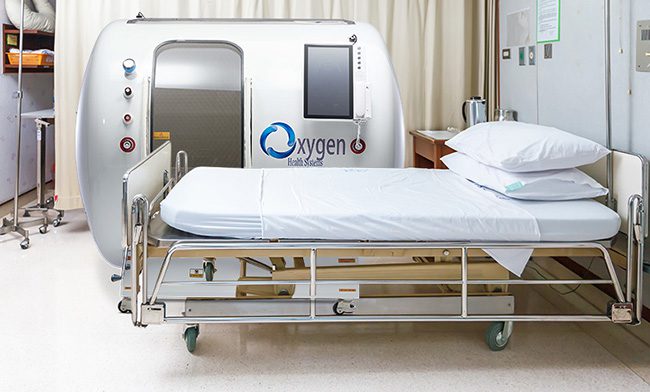
Engineering standards distinguish clinical systems from lighter wellness units. Reinforced materials, pressure containment integrity, and monitored oxygen delivery define structural quality. Hard shell construction allows chambers to sustain higher internal pressure safely and repeatedly.
Compliance with class a hyperbaric chamber requirements demands specific safety and build standards. Manufacturers design these systems to tolerate controlled compression cycles without structural fatigue. Differences between monoplace vs multiplace hyperbaric chamber models also influence design, capacity, and pressure management.
- Reinforced hard shell construction: Thick steel or acrylic walls withstand sustained elevated pressure and repeated compression cycles.
- Integrated pressure monitoring systems: Built in gauges track internal atmosphere levels and maintain accurate therapeutic settings.
- Secure locking mechanisms: Sealed entry systems prevent unintended decompression and maintain chamber stability during operation.
- Redundant pressure release valves: Backup relief systems protect occupants by regulating internal pressure changes.
- Oxygen concentration control systems: Engineered airflow systems manage oxygen levels to support structured treatment protocols.
Design quality determines reliability, durability, and safety. Structural standards ultimately separate medical systems from other types of hyperbaric chambers intended for lower intensity use.
Physician Supervision and Clinical Oversight
Medical classification depends not only on pressure and construction but also on professional oversight. Certified operators manage compression, oxygen exposure, and decompression timing inside regulated environments. Structured supervision ensures patient safety and aligns treatment with established clinical standards.
Patient evaluation before treatment
Medical staff review health history, medications, and contraindications before initiating compression.
Compression rate monitoring
Operators control how hyperbaric chambers work by gradually increasing internal pressure to avoid discomfort.
Oxygen exposure timing control
Staff track oxygen duration to manage intensity and reduce excess exposure risk.
Decompression supervision
Controlled pressure reduction prevents rapid changes that could affect ears or sinuses.
Clinical oversight clarifies what are hyperbaric chambers used for in medical settings. Supervised oxygen chamber test procedures and structured monitoring separate regulated systems from unsupervised environments, reinforcing safe and compliant operation.
Clinical Applications of Medical Grade Hyperbaric Systems
Medical grade units support structured therapeutic protocols in supervised environments. Elevated pressure and controlled oxygen delivery allow clinicians to address specific conditions that require higher intensity exposure. Clinical hyperbaric oxygen therapy follows defined treatment plans rather than general wellness routines.
- Carbon monoxide treatment protocols: Physicians use elevated pressure to accelerate removal of carbon monoxide from hemoglobin and plasma.
- Radiation induced tissue injury: Increased oxygen levels support compromised tissue following radiation exposure under supervised medical settings.
- Chronic infection management: High pressure environments assist adjunct therapy for refractory osteomyelitis and certain resistant infections.
- Advanced wound care: Structured oxygen delivery supports complex wound protocols where conventional treatment alone proves insufficient.
Medical facilities rely on regulated systems for these applications. Understanding what is a hyperbaric chamber used for in hospital environments clarifies what are hyperbaric chambers used for beyond general support settings. For structured installations, review commercial systems or request guidance through the contact page to evaluate appropriate configurations.
Medical Grade vs Mild Hyperbaric Chambers
Pressure capability, construction, and supervision separate mild systems from regulated medical units. Many buyers compare types of hyperbaric chambers without understanding how intensity and structural standards change performance. Clear comparison helps define appropriate use and safety expectations.
| Feature | Mild Chamber | Medical Grade |
|---|---|---|
| Pressure | 1.3 to 1.5 ATA | 1.6 to 3.0 ATA |
| Structure | Soft portable | Reinforced hard shell |
| Supervision | Home environment | Clinical oversight required |
| Oxygen intensity | Moderate | High to advanced |
| Clinical use | Wellness support | Structured medical protocols |
Mild units support lower pressure oxygen enrichment in home settings. Medical systems operate at higher intensity with reinforced shells and monitoring systems. Differences between monoplace vs multiplace hyperbaric chamber configurations also influence clinical capacity. Accurate understanding of how a hyperbaric chamber explained in technical terms helps buyers match equipment to intended use rather than relying on labels alone.
How to Identify a True Medical Grade Hyperbaric Chamber
Pressure capability above 1.5 ATA provides the first measurable indicator of a medical grade hyperbaric chamber. Reinforced hard shell construction, integrated monitoring controls, and defined compression protocols confirm structural qualification. Supervised operation under trained personnel completes the classification for structured clinical use.
Choosing the right hyperbaric chamber requires evaluating pressure range, build quality, and oversight standards rather than relying on marketing labels. Systems designed for regulated medical protocols differ significantly from lower pressure wellness units in both intensity and engineering.
Professional evaluation ensures proper alignment with facility goals and compliance expectations. Contact us to discuss system specifications, pressure requirements, and installation guidance.
FAQs
What pressure qualifies a chamber as medical grade?
Systems operating above 1.5 ATA generally qualify as medical grade when paired with reinforced construction and supervised protocols.
Are all hard shell units considered medical grade?
Hard shell design supports higher pressure, but true classification also requires regulated operation and structured oversight.
Do medical systems always require physician supervision?
Clinical environments require trained operators and formal monitoring to manage compression and oxygen exposure safely.
Can a mild 1.3 ATA system be used in hospitals?
Lower pressure units support wellness settings, while hospitals rely on higher intensity systems designed for structured protocols.
How do medical units differ from wellness chambers?
Medical equipment supports higher pressure ranges, reinforced engineering, and supervised treatment environments rather than general home use.
