
No products in the cart.
Hyperbaric Chamber Buying Guide
Understanding ATA Levels Before You Buy a Hyperbaric Chamber
24
Mar
Mar
If you’re planning to buy a hyperbaric chamber, understanding ATA (Atmospheres Absolute) is essential. ATA measures the total pressure inside a chamber compared to normal atmospheric pressure (1.0 ATA at sea level). Increasing ATA allows oxygen to dissolve more efficiently into the blood, reaching tissues that may not receive optimal circulation under normal conditions.
Whether you’re buying for home wellness or a professional clinic, choosing the right ATA level is critical—it determines treatment effectiveness, system design, and long-term value.
What Does ATA Tell You About a Hyperbaric Chamber?
ATA affects:
- Oxygen delivery and tissue saturation
- Suitability for home or clinical use
- Chamber type (soft vs hard) and construction requirements
- Maintenance needs and long-term hyperbaric chamber costs
Before evaluating features, aesthetics, or price, understanding ATA ensures you make a decision that truly supports your goals.
Common ATA Levels and Who They’re For
1.3–1.6 ATA: Lower-Pressure / Cost-Friendly Chambers
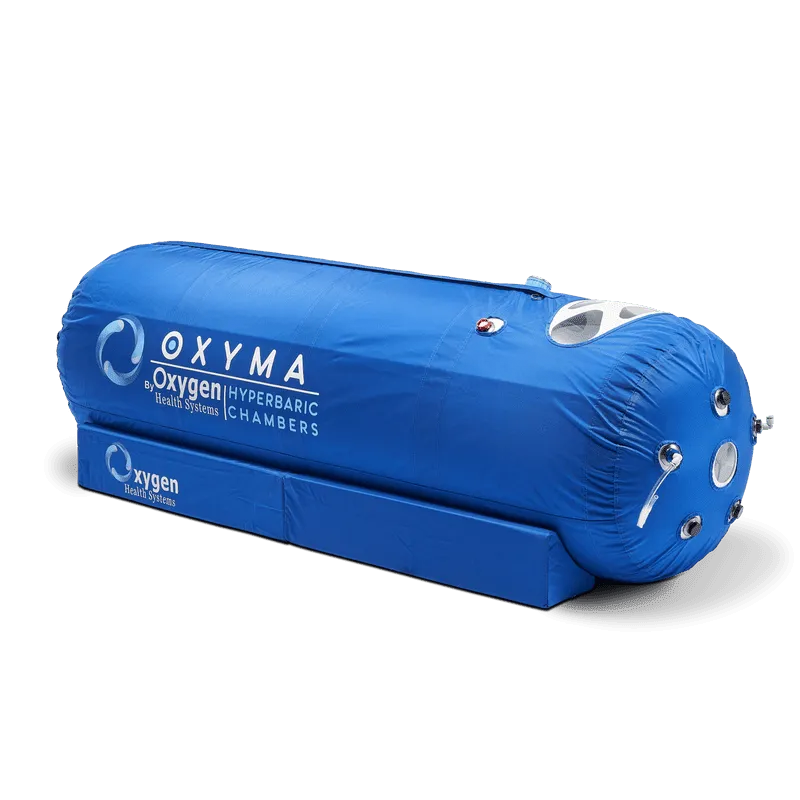
Lower ATA levels are mainly about affordability and accessibility. These are typically soft chambers, though some hard chambers can also operate in this range. While they are below clinical-grade pressures, they still provide many wellness benefits, including:
- General wellness routines
- Recovery after workouts or athletic activity
- Energy, focus, and sleep support
- At-home oxygen therapy
Soft chambers are stable, reliable, and easy to use within their ATA range. They are lightweight, portable, and ideal for home settings, providing many of the benefits of higher-pressure systems without the infrastructure or higher cost associated with clinical-grade chambers.
2.0 ATA and Above: Hard-Shell Chambers
Hard chambers are designed for higher pressures and clinical-grade therapy, making them suitable for:
- Professional clinics and wellness studios
- Home users seeking advanced therapy goals
Benefits of hard-shell chambers include:
- Consistent performance at higher ATA levels for clinical protocols
- Durable construction for long-term, frequent use
- Advanced monitoring and safety features
- Free professional delivery and installation through Hyperbaric Pro
While hard chambers offer higher ATA and advanced features, soft chambers remain effective, stable, and reliable within their lower ATA range. Many home users and wellness facilities choose hard chambers when they want higher pressures, added durability, or advanced features, while soft chambers continue to provide a practical, dependable solution for general wellness and recovery.
Why ATA Matters More Than Most Buyers Expect
Price and aesthetics are tempting to compare first, but ATA drives all other decisions:
- Lower ATA systems are cost-friendly, effective for wellness, and simpler to install.
- Higher ATA chambers provide clinical-grade performance, durability, and precise oxygen delivery.
Choosing the right ATA ensures your chamber meets your intended use, whether that’s wellness, recovery, or clinical therapy. At Hyperbaric Pro, we guide buyers in selecting the right chamber type, ATA level, and setup, making sure it aligns with long-term goals.
Questions to Ask Before You Buy a Hyperbaric Chamber
- Is this for home or professional use?
- How often will it be used?
- What wellness or therapy outcomes are expected?
- Do you have the space and setup for a hard-shell chamber if needed?
- How do upfront hyperbaric chamber costs compare with long-term value and maintenance?
Answering these questions helps you match the right ATA level and chamber type to your goals.
Matching ATA Levels to Your Situation
- Home wellness / soft chambers (1.3–1.6 ATA): affordable, easy to set up, ideal for general wellness and recovery.
- Hard-shell chambers (2.0 ATA+): stable at high pressures, durable, suitable for clinics or home users needing clinical-grade performance or advanced features.
The focus is not to favor one type over another—it’s about aligning chamber performance, ATA level, and design to your intended use, ensuring long-term satisfaction and results.
How ATA Influences Price and Long-Term Costs
- Soft chambers: lower upfront cost, simpler maintenance, effective for wellness applications.
- Hard chambers: higher initial investment, but precise engineering, durability, and free installation deliver long-term value.
Considering both price and total value helps you make a purchase that pays off over time, rather than choosing solely based on the lowest cost.
Ready to Choose the Right ATA Level?
Pressure isn’t just a specification—it’s the backbone of your system. Choosing the right ATA ensures your chamber delivers the results you want, fits your space, and aligns with your budget.
Whether for home wellness or clinical use, Hyperbaric Pro helps you:
- Compare soft vs hard chambers
- Understand ATA ranges and applications
- Assess long-term costs and setup requirements
Contact Hyperbaric Pro today to explore your options and find the right hyperbaric chamber for your goals.
FAQs
What does ATA stand for?
ATA means Atmospheres Absolute, measuring total pressure inside a chamber compared to normal atmospheric pressure.
Is a higher ATA always better?
Not necessarily. The right ATA depends on your treatment or wellness goals.
What ATA range is typical for home chambers?
Most home chambers operate between 1.3–1.6 ATA, providing wellness and recovery support.
Do higher ATA chambers cost more?
Yes. Higher-pressure systems involve more advanced engineering and installation, affecting hyperbaric chamber costs.
Can I start with a lower-pressure chamber and upgrade later?
Yes. Many users start with a soft chamber and later transition to a hard-shell system if goals or therapy
