
No products in the cart.
Health, General, Health & Wellness Technology
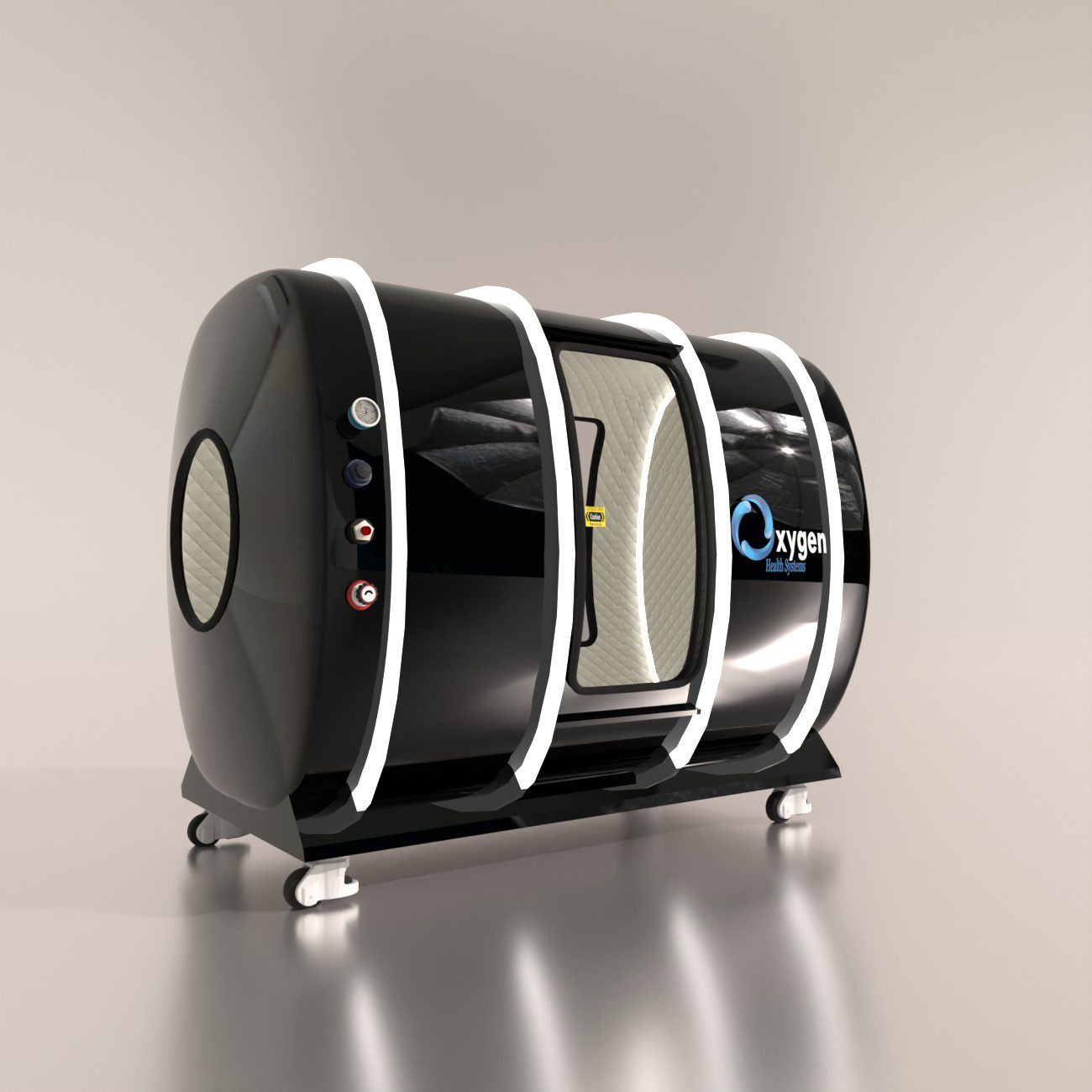
Hyperbaric Chamber for Concussion: Does HBOT Help Recovery?
15
May
May
Most concussion patients hear the same advice. Rest. Avoid screens. Give it time. For most people that protocol works. For a smaller group, symptoms drag on for months or even years after the initial injury. That stalled recovery is where hyperbaric oxygen therapy keeps showing up in conversations between athletes, parents, and integrative medicine clinicians.
Research suggests that 10 to 30% of concussion cases develop into post-concussion syndrome, where symptoms like headaches, brain fog, sleep problems, and mood changes persist well beyond the expected recovery window. Standard care often runs out of options at that point.
We will walk through what the research actually shows about a hyperbaric chamber for concussion recovery, which pressure level works best, how many sessions you need, and how to decide between clinic visits and home use. Start with the real question: does HBOT actually do what people claim it does for concussion?
Does a Hyperbaric Chamber Actually Help Concussion Recovery?
Honest answer: research evidence supports HBOT for persistent post-concussion symptoms, especially when standard care has plateaued. Outcomes for acute concussion are less established. Here is what the studies actually found.
What the Research Shows
Multiple peer-reviewed studies published through the National Institutes of Health have shown measurable cognitive and symptomatic improvements in mild traumatic brain injury patients treated with HBOT at 1.5 ATA. A systematic review by Dr. Paul Harch found that 1.5 ATA consistently outperformed both lower and higher pressures for post-concussion outcomes.
Patients in published studies typically completed 40 sessions at 1.5 ATA before measuring outcomes. Improvements included better memory, focus, mood, and sleep quality. Benefits were even more pronounced in patients who had both concussion symptoms and post-traumatic stress disorder.
Why Concussion Responds to Oxygen Therapy
Your brain consumes nearly 20% of your body’s oxygen supply despite making up only 2% of body weight. After a concussion, areas of the brain affected by trauma often become hypoxic, meaning oxygen delivery to those tissues drops below what neurons need to repair themselves. Without enough oxygen, cells cannot produce the energy required for healing.
Hyperbaric oxygen therapy raises bloodstream oxygen levels up to 15 times normal. That extra oxygen reaches tissues with compromised circulation, reduces neuroinflammation, supports the formation of new blood vessels, and promotes neuroplasticity. Concussion is fundamentally a problem of disrupted oxygen delivery to brain tissue, which makes HBOT a logical match.
What HBOT Cannot Do
HBOT does not reverse permanent damage from severe traumatic brain injury. Best outcomes occur with persistent post-concussion symptoms rather than acute concussion. Acute concussion still requires medical evaluation and standard care first. Hyperbaric therapy works as part of a recovery plan, not as a replacement for one.
For the deeper science behind how HBOT affects brain tissue after injury, read our companion post on The Impact of HBOT on Concussion Recovery.
What Pressure Level Works for Concussion?
Pressure matters more than most patients realize when choosing a chamber for concussion recovery. Pick the wrong level and you either underdose your protocol or overspend on equipment you do not need.
1.5 ATA Is the Concussion Protocol
Research published across multiple journals consistently uses 1.5 ATA for concussion and post-concussion syndrome recovery. Harch’s systematic review showed that 1.5 ATA produced significant symptomatic and cognitive improvements where higher and lower pressures did not. Some studies have tested pressures as low as 1.3 ATA or as high as 2.4 ATA, but 1.5 ATA emerged as the optimal protocol pressure for concussion outcomes.
Why Not Higher Pressure?
Pressures above 1.5 ATA do not produce better concussion outcomes in published research. Higher pressure ranges (2.0 ATA and above) are used for FDA-approved indications like diabetic wound care, decompression sickness, and carbon monoxide poisoning. For concussion recovery specifically, additional pressure adds equipment cost and regulatory complexity without adding clinical benefit. That makes 1.5 ATA the sweet spot for both home users and integrative clinics.
Soft Shell vs Hard Shell at 1.5 ATA
| Chamber Type | Suitable for Concussion? | Price Range |
|---|---|---|
| Soft shell 1.5 ATA | Yes, matches research protocol | $9,690 to $14,900 |
| Hard shell 2.0 ATA | Overkill for concussion recovery | $34,900 to $59,900 |
A soft shell 1.5 ATA chamber hits the research-backed pressure target without the added complexity, cost, and regulatory burden of clinical-grade hard shell systems. Hard shell chambers belong in medical clinics treating approved indications. For a concussion recovery protocol at home, 1.5 ATA soft shell is the correct match.
For a deeper look at every pressure tier and what each one unlocks, read our breakdown of hyperbaric chamber pressure levels.
How Many HBOT Sessions Do You Need for Concussion Recovery?
Session count is one of the biggest questions patients ask, and most online resources never answer it directly. Here is what the published protocols actually call for.
The Standard Concussion Protocol
Research-backed protocols call for 40 sessions at 1.5 ATA, 60 to 90 minutes per session. Sessions run 5 days per week, completing the full 40-session protocol in 8 weeks. Some clinics extend the protocol to 60 sessions for patients with severe persistent post-concussion syndrome who plateau after the initial 40.
HBOT works cumulatively rather than producing immediate effects. Most patients notice the first meaningful symptom reduction around sessions 20 to 25 of the protocol. Skipping sessions or stretching the schedule beyond 5 sessions per week can reduce overall outcomes.
What Symptoms Improve and When
- Sessions 10 to 15: Headaches and dizziness often show the first signs of improvement
- Sessions 20 to 25: Cognitive function (memory, focus, processing speed) starts to lift
- Sessions 25 to 40: Sleep quality and mood stabilize as the protocol completes
- Post-protocol: Many patients continue noticing improvements for several months as the brain consolidates the gains
What If Symptoms Do Not Improve?
HBOT works for many concussion patients but not all of them. Pre-existing PTSD, severity of the original injury, and time since the injury all influence outcomes. Research shows combining HBOT with neurofeedback delivers stronger results than either treatment alone. If you complete 30 sessions without measurable improvement, talk to your physician about adjusting the protocol or adding complementary therapies. For more on session timing and frequency, read our full breakdown of how many sessions you need for results.
Home Chamber or Clinic Sessions for Concussion Recovery?
A 40-session protocol forces a real cost-benefit conversation. Doing the full protocol at a clinic adds up fast. Buying a chamber for home use changes the math significantly.
Clinic Sessions: Real Costs
Most wellness and integrative clinics charge $150 to $300 per HBOT session. A full 40-session protocol comes to between $6,000 and $12,000 in session fees alone. Some clinics offer package pricing that drops the per-session cost by 15 to 20%. Add travel time, parking, and the scheduling constraint of being at a clinic five days a week for two months.
Home Chamber: The Real Math
A soft shell 1.5 ATA chamber for home use runs $9,690 to $14,900. At a midrange clinic price of $200 per session, the chamber pays for itself somewhere between sessions 50 and 75. Patients running a full protocol plus follow-up sessions consistently break even within 12 months of purchase. After that point, every session is essentially free aside from electricity.
Family members can also use the chamber for general wellness sessions once your protocol completes. Resale value holds up well too, especially for chambers from established manufacturers with strong warranty coverage.
Decision Framework
Use these honest questions to pick the right setup for your situation:
Plan to use HBOT for 40 sessions or more? Home chamber wins on cost every time.
Need physician oversight or feel uncertain about operating equipment? Start at a clinic. You can always purchase a chamber later if recovery extends.
Live more than 30 minutes from a hyperbaric clinic? Home use becomes significantly more practical. Driving 60 minutes round-trip five days a week burns recovery time.
Want family members to use the chamber for general wellness? Home wins clearly. A single purchase supports multiple users for years.
Recommended Chambers for Concussion Recovery
Several models in our 1.5 ATA soft shell range match the research protocol for concussion recovery:
- OxyFlow Mini 1.5 ATA: Compact lying chamber, ideal for tight home spaces
- Elite Serenity 1.5 ATA: Mid-tier option with strong build quality and durability
- Vertical Mini 1.5 ATA: Sitting-style chamber for users who prefer upright sessions
For practical comparison between treating at home versus driving to clinic appointments, read our analysis of home hyperbaric chambers vs clinic sessions.
Safety Considerations for Concussion Patients
HBOT is generally well-tolerated, but concussion patients need to clear specific conditions before starting. Honest disclosure of risk is part of how we work with every customer.
When HBOT Is Not Appropriate
- During the acute concussion phase (first 48 to 72 hours) without medical clearance
- Untreated pneumothorax (collapsed lung)
- Active middle ear infections, which can cause ear barotrauma during pressurisation
- Certain seizure disorders not stabilised on medication
- Recent eye surgery, particularly retinal procedures
Common Side Effects
Ear pressure or popping during pressurisation is the most common side effect, easily managed by yawning, swallowing, or chewing gum during the pressure ramp. Mild fatigue after sessions occurs in some patients during the first week of treatment. Temporary vision changes (mild near-sightedness) appear in a small number of users and typically reverse within weeks of completing the full protocol.
Get Medical Clearance First
Concussion patients should consult their physician before starting HBOT. A doctor can rule out contraindications, evaluate where you are in your recovery timeline, and help integrate hyperbaric therapy with other elements of your care plan such as vestibular therapy or cognitive rehabilitation.
Ready to Start Your Concussion Recovery?
Research supports HBOT at 1.5 ATA for concussion and post-concussion syndrome recovery, with 40 sessions running 60 to 90 minutes each as the standard protocol. Home chambers offer significantly better long-term value than clinic sessions for any patient committed to a full protocol.
Get medical clearance before you start. Choose a 1.5 ATA soft shell chamber that matches the research-backed protocol. Stay consistent with the schedule. Most patients see meaningful improvement by session 25.
Talk to our team about the right chamber for your recovery.
Medical disclaimer: Content in this article is for educational purposes only and does not constitute medical advice. HBOT is not currently an FDA-approved indication for concussion or post-concussion syndrome. Always consult a qualified physician before starting hyperbaric oxygen therapy for any condition.
FAQs
How long does it take to recover from a concussion with HBOT?
Most concussion patients begin noticing symptom improvement around sessions 20 to 25 of a standard 40-session HBOT protocol. Full recovery varies based on injury severity, time since injury, and individual response. A complete protocol typically takes about 8 weeks when sessions run 5 days per week.
What pressure should a hyperbaric chamber be set to for concussion?
Research consistently supports 1.5 ATA as the optimal pressure for concussion and post-concussion syndrome recovery. Higher pressures show no added clinical benefit for concussion specifically and add equipment cost and complexity. A 1.5 ATA soft shell chamber matches the research-backed protocol.
Can I use a hyperbaric chamber at home for concussion recovery?
Yes. A 1.5 ATA soft shell chamber suits home concussion recovery protocols, and home use becomes more cost-effective than clinic sessions once you complete more than 30 to 40 sessions. Get medical clearance before starting and consult your physician about integrating HBOT with your overall recovery plan.
How many HBOT sessions do you need for post-concussion syndrome?
Research-backed protocols call for 40 sessions at 1.5 ATA, each lasting 60 to 90 minutes, scheduled 5 days per week. Some patients with severe persistent post-concussion syndrome benefit from extending to 60 sessions. Improvement typically becomes noticeable after sessions 20 to 25.
Is HBOT FDA-approved for concussion?
HBOT is not currently an FDA-approved indication for concussion or post-concussion syndrome. Approved indications focus on conditions like diabetic wound care, radiation injury, and decompression sickness. Research supports off-label use for concussion recovery, and many integrative clinics offer HBOT as a wellness protocol for concussion patients on a cash-pay basis.
