
No products in the cart.
Life Style, Health
How Much Does a Hyperbaric Chamber COST?
26
Nov
Nov
Hyperbaric chambers create a controlled pressurized setting that supports oxygen intake during each session. Many users rely on this technology for wellness, recovery, and focused therapeutic goals because consistent routines offer meaningful benefits. Clinics also include these systems to meet growing demand for reliable oxygen based therapy.
Hyperbaric Pro offers new chambers in several configurations, including soft shell, hard shell, vertical, walk in, and multiplace units. Each option serves different needs and suits home users or professional settings.
Costs shift due to pressure capability, interior space, construction materials, and intended use. Readers gain clear guidance on pricing, key cost drivers, and a simple decision framework that supports confident purchasing.
How Much Do Hyperbaric Chambers Usually Cost
Price varies by user goals, pressure capability, and chamber construction, so a clear comparison helps buyers understand where each model fits.
| Chamber Type | ATA Range | Best For | Price Range |
|---|---|---|---|
| Soft shell | 1.3 to 1.5 | Personal wellness routines in home settings | 6,729 USD to 26,900 USD |
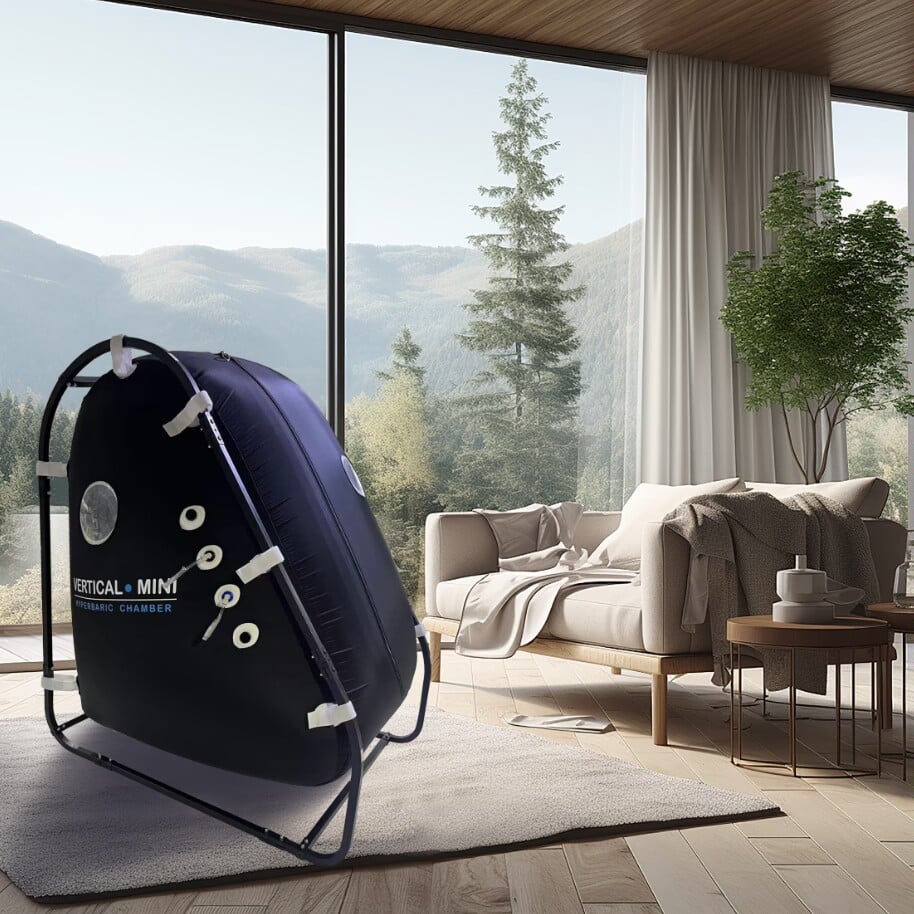
| Vertical or sitting | 1.3 to 1.5 | Users who want upright entry and compact placement | 9,890 USD to 18,749 USD |
| Compact hard shell | 1.5 to 1.6 | Home buyers who want stronger structure and higher comfort | 24,900 USD to 31,900 USD |
| High pressure single place | 2.0 to 3.0 | Clinics and performance focused environments | 38,490 USD to 61,000 USD |
| Large single place | 1.6 to 2.2 | Facilities that need wider interior room | 44,900 USD to 58,900 USD |
| Multiplace | 2.0 | Group based professional use and higher client volume | 56,900 USD to 119,900 USD |
What Factors Influence Hyperbaric Chamber Pricing
Price changes occur because each chamber uses different pressure levels, materials, and engineering features. A clear view of these elements helps buyers understand why some models cost more than others.
- Pressure rating
Higher ATA levels require stronger engineering and thicker materials. Mild pressure suits wellness goals, mid range levels support deeper routines, and clinical environments rely on advanced internal pressure. - Shell construction
Soft shell units use flexible materials for portability. Hard shell models rely on rigid frames that support stronger internal pressure. Vertical and walk in designs add more components to support stable entry. - Size and capacity
Wider interiors need more structure and reinforced framing. Sitting and upright designs use additional support. Multiplace systems include complex air management to handle several users at once. - Safety and build quality
Pressure controls, emergency release valves, and certified components influence production cost. Many chambers from Hyperbaric Pro use premium materials that improve reliability. - Delivery and setup needs
Soft shell units sit easily in most rooms. Hard shell and large capacity systems need freight transport, power planning, and clear floor space inside clinics.
Price movement across these variables helps buyers match features with personal or professional goals.
 57D Vital Sphere 360 White
Comparing Cost vs Value – Are Hyperbaric Chambers Worth It
Many buyers want clear guidance on long term value before investing in a pressurized system, so a direct comparison helps highlight the benefits for home users and professional settings.
| Home Value | Clinic Value |
|---|---|
| Regular access supports steady wellness routines without scheduling limits | Session based services generate steady income for wellness centers and recovery facilities |
| Upfront investment replaces repeated per session costs over time | Strong demand for oxygen based therapy increases booking potential |
| Convenient placement encourages frequent use that supports better outcomes | Advanced models expand available services and attract a wider client base |
| Personal control over environment improves comfort and consistency | Strong reliability protects daily revenue and maintains session flow |
How Can You Choose the Right Hyperbaric Chamber
Many buyers feel unsure about which model fits their goals, so a clear checklist helps streamline the decision process.
- Define purpose and budget
Home users often focus on wellness routines or recovery goals. Clinics invest in systems that support steady client volume. Buyers should set a budget that matches their needs and session frequency. - Select the right pressure level
Mild pressure fits general routines, mid range levels suit deeper work, and higher ATA levels support professional environments. Pressure choice guides comfort, performance, and long term usability. - Choose a chamber style
Soft shell units suit compact spaces. Hard shell chambers deliver stronger internal support. Vertical and walk in options improve accessibility. Each style fits a different type of user and environment. - Check available space
Room size, layout, and entry paths influence which models fit properly. Buyers should confirm interior clearance and floor strength for larger units. - Assess build quality and safety
Pressure controls, certified components, and dependable valves improve overall reliability. Solid construction supports consistent performance during repeated sessions. - Review warranty and support
Service coverage matters because routine assistance protects equipment lifespan. Strong support helps buyers resolve issues quickly and maintain smooth operation. - Evaluate long term costs
Power use, accessory needs, and periodic maintenance influence overall ownership cost. Clear planning ensures a smoother experience over time.
A structured review of these steps helps buyers choose a chamber that matches space, goals, and long term expectations.
What Is the Final Takeaway on Hyperbaric Chamber Costs
Cost variation comes from differences in pressure capability, interior space, and overall construction strength. Home users often choose mild or mid level systems, while clinics rely on stronger chambers that support steady use throughout the day. Each option fits a unique purpose and serves a different type of user.
Smart planning focuses on intended goals, available room, and preferred pressure levels. Material quality and accessibility features also shape long term satisfaction and help buyers match expectations with real world performance.
Hyperbaric Pro supplies new models for personal and professional settings, and buyers who want guidance can contact the team for support in choosing the right chamber.
FAQs
How much does a hyperbaric chamber cost for home use
Home focused units range from 6,700 USD to 32,000 USD based on pressure level, interior size, and chamber style.
Why do clinic chambers cost more
Higher pressure capability, reinforced hard shell construction, expanded interior space, and medical grade components create higher production costs for professional systems.
What hidden costs might I encounter
Accessories, freight shipping, electrical setup, and room preparation for large models can add to the final investment.
Which ATA level should I choose
1.3 to 1.4 ATA fits general wellness goals, 1.5 to 1.6 ATA supports deeper routines, and 2.0 to 3.0 ATA suits professional environments.
Do these chambers last a long time
Models from Hyperbaric Pro use strong materials and consistent engineering that support reliable long term use.
