
No products in the cart.
Style, Life Style, Health
Does Red Light Therapy Help With Wrinkles? Benefits & How It Works
31
Dec
Dec
Want smoother younger looking skin without injections or surgery? Many people now explore red light therapy as a non invasive skincare option that fits modern wellness routines. Clinics and at home users discuss this approach for anti aging because it supports skin health without downtime or discomfort.
Red light therapy often raises one key question. Does red light therapy help with wrinkles? Readers will learn how this technology works at the cellular level, what scientific research says about wrinkle reduction, and how collagen support may improve skin texture over time.
Realistic expectations matter. Results depend on consistency, device quality, and individual skin response. Information here focuses on education, not medical advice, since outcomes vary from person to person.
What Is Red Light Therapy for Skin Aging?
Red light therapy refers to a non-invasive treatment that uses specific red and near infrared wavelengths between 630 and 850 nanometers. Light energy reaches skin cells without heat or damage and supports natural repair processes. Many wellness users choose this method for skin aging support and recovery focused routines.
Photobiomodulation explains how light influences cellular activity. Red and near infrared light stimulate mitochondria to produce more energy, which helps skin cells function better. Unlike ultraviolet exposure, red light does not tan or burn skin and avoids tissue stress linked to heat based treatments or lasers.
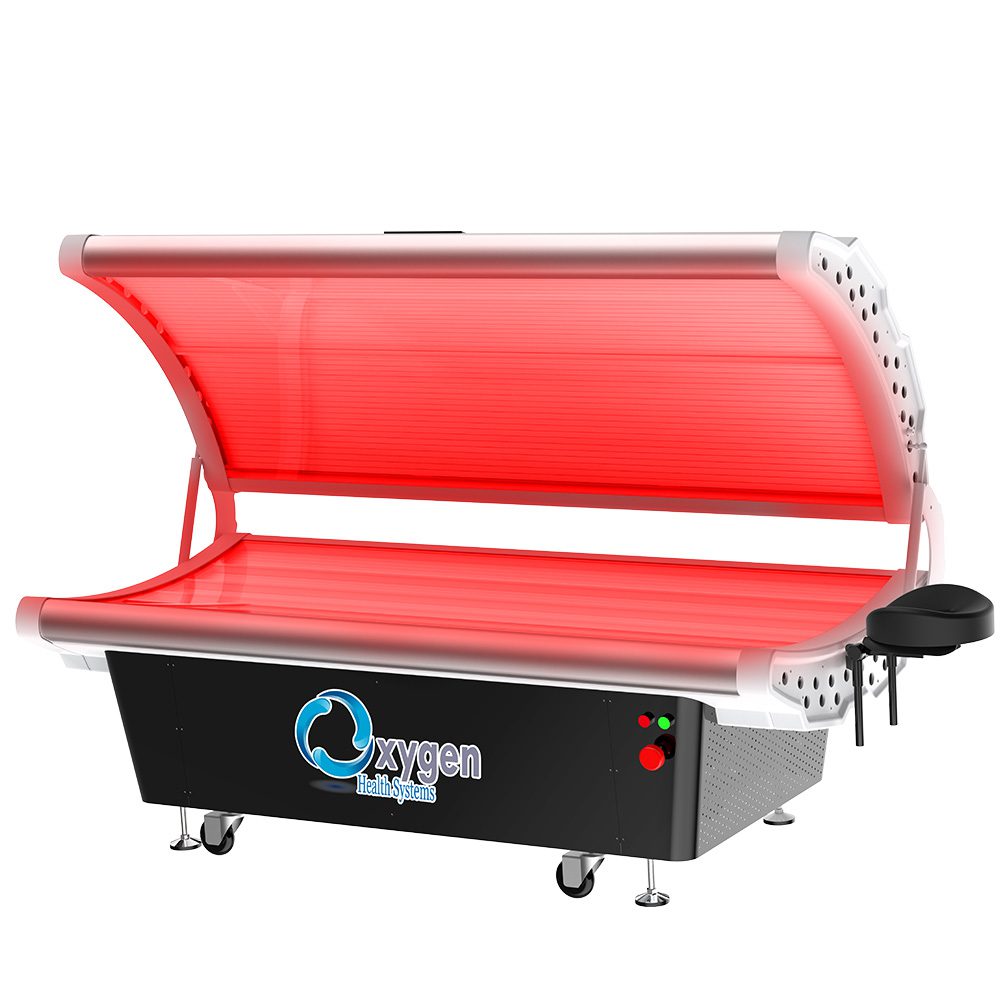
Common devices include LED face masks, handheld tools, and full body light panels used at home or in clinics. Easy use and minimal downtime drive growing interest among beginners exploring modern skincare solutions.
How Does Red Light Therapy Affect the Skin?
Red and near infrared light penetrate skin at different depths and reach cells responsible for structure, repair, and tone.
- Mitochondrial stimulation: Light energy reaches mitochondria inside skin cells and activates core energy processes that support daily cell function.
- ATP production boost: Increased ATP gives skin cells more usable energy, which supports repair cycles and healthy cellular activity.
- Fibroblast activation: Energized fibroblasts increase collagen and elastin support that helps maintain firmness and elasticity.
Cellular energy works like recharging a battery. Higher energy levels allow skin cells to repair faster, improve texture, and support even tone. Consistent exposure helps reduce visible signs of aging by strengthening skin structure over time.
Can Red Light Therapy Really Reduce Wrinkles?
Clinical research links red light therapy to measurable skin improvements when used consistently over time.
- Observed skin changes: Studies report better collagen density, smoother surface texture, and improved overall complexion after regular light exposure.
- Wrinkle depth reduction: Imaging analysis shows visible softening of fine lines and reduced skin roughness in treated areas.
- Treatment timelines: Most trials measure results after eight to twelve weeks of repeated sessions.
- Improvement ranges: Research notes moderate percentage gains in elasticity and wrinkle appearance rather than dramatic correction.
Researchers often use split face comparisons or before and after imaging to track changes under controlled conditions. Small sample sizes and pilot designs limit certainty, yet findings remain promising.
Evidence supports anti aging benefits with realistic expectations, since red light therapy improves skin quality gradually rather than acting as a quick fix.
What Results Do Users See Over Time?
Many users report steady skin improvements with consistent red light therapy use. Skin often appears smoother with softer fine lines and a more even tone. Subtle firming develops over time, which supports a healthier look rather than dramatic cosmetic change.
Visible progress usually follows a clear timeline. Early skin changes often appear within four to six weeks of regular sessions. More noticeable texture and firmness improvements commonly show between eight and twelve weeks with continued use.
Several factors shape results. Session frequency, device performance, and wavelength accuracy play key roles. Skin type, age, sleep, and daily habits also matter. Before and after photos vary due to lighting, angles, and skincare routines. Gradual progress sets realistic expectations since outcomes differ for each person.

What Are the Benefits and Safety Limits?
Red light therapy offers clear advantages for skin health, yet users should understand its limits and safety considerations before starting regular sessions.
Benefits of Red Light Therapy
Red light therapy supports skin health through a non-invasive approach that fits regular routines. Sessions feel comfortable and pain-free, which encourages consistent use. Skin often shows improved tone, smoother texture, and better overall appearance with continued exposure. Collagen support helps maintain firmness while reducing the look of fine lines over time.
Many people pair light sessions with skincare products to enhance hydration and recovery. Consistent use promotes long-term skin maintenance rather than short-term cosmetic change, which appeals to users focused on gradual and natural-looking results.
Limitations to Keep in Mind
Results from red light therapy develop gradually and require patience. Light-based treatments do not remove deep or advanced wrinkles on their own. Visible improvement depends on regular sessions over several weeks or months. Skin type, age, and lifestyle habits influence how quickly changes appear.
People expecting fast or dramatic correction may feel disappointed without additional treatments. Red light therapy works best as a supportive option that improves skin quality and texture rather than acting as a standalone solution for severe aging concerns.
Safety and Usage Considerations
Proper use keeps red light therapy safe for most users. Mild redness, dryness, or temporary eye strain may occur when sessions exceed recommended limits. Eye protection helps reduce discomfort during facial treatments. Individuals with photosensitive conditions or those using light sensitizing medications should consult a qualified professional before starting.
Current research shows no evidence linking red light therapy to skin cancer when users follow device guidelines. Responsible use supports long term skin health while minimizing unnecessary risks.
How Should Beginners Use Red Light Therapy?
Clear usage habits help red light therapy support skin health safely while improving texture and tone over time.
- Set session length: Keep each session between ten and twenty minutes to support cellular response without irritation.
- Plan weekly frequency: Schedule two or three sessions per week to encourage steady collagen support.
- Follow safety guidance: Use eye protection when recommended and follow manufacturer instructions to avoid overuse.
Best practices for better results
- Clean skin before each session to improve light absorption
- Pair sessions with hydration and a consistent skincare routine
- Apply sunscreen during daytime hours to protect collagen gains
- Track progress with photos or notes to observe gradual changes
Is Red Light Therapy Worth Trying for Wrinkles?
Red light therapy supports wrinkle reduction by stimulating collagen and improving overall skin health over time. Consistent use encourages smoother texture, better tone, and firmer appearance without invasive procedures or downtime. Education builds confidence for long-term care.
Results develop gradually rather than overnight. Improvement depends on consistency, skin type, lifestyle habits, and device quality. Regular sessions help maintain realistic expectations while supporting long-term skin rejuvenation and healthy aging.
People seeking non-invasive, low-risk antiaging options benefit most from informed choices. Research and professional guidance help determine proper use and suitability. Consult licensed providers when uncertainty exists. Education empowers confident skincare decisions that protect skin health for years ahead. Explore trusted red light therapy solutions and start building a consistent routine that supports long-term skin health with confidence.
FAQs
1. Does red light therapy really help reduce wrinkles?
Red light therapy supports wrinkle reduction by stimulating collagen production and improving skin texture over time with consistent use.
2. How long does red light therapy take to show results?
Most users notice early skin improvements within four to six weeks, while clearer changes often appear after eight to twelve weeks.
3. Is red light therapy safe for regular use?
Proper use following device guidelines keeps red light therapy safe for most people with minimal risk of side effects.
4. Can red light therapy replace other anti aging treatments?
Red light therapy works best as a supportive option and may complement skincare routines rather than replace advanced treatments.
5. Who should avoid red light therapy?
People with photosensitive conditions or light sensitizing medications should consult a qualified professional before starting sessions.
