
Life Style, General, Medical Equipment, Wellness Equipment
Starting a Profitable Hyperbaric Chamber Business: The Complete Step-by-Step Guide
Apr
Hyperbaric therapy is growing fast, and serious operators are moving in before the market gets crowded. Clinic owners, wellness entrepreneurs, and medical professionals all see the opportunity. But most of them hit the same wall: where do you actually start?
Most guides you find online give you the same recycled advice. Vague cost ranges. No licensing roadmap. No revenue model you can work with. No honest answer to the question every serious operator asks first: can you actually make money doing this?
We built this guide differently. You get actual startup costs broken down by business model, a licensing framework covering both federal and state requirements, real revenue projections, and a clear path from decision to first patient session.
Start with the most important question: which type of hyperbaric business actually fits your situation.
Is a Hyperbaric Chamber Business Actually Profitable?
Short answer: yes. But your profit timeline depends entirely on which business model you choose and how well you fill your schedule. Here are real numbers to work with before you commit to anything.
Real Revenue Numbers
Session pricing varies by setting. Wellness and recovery clinics typically charge $150 to $250 per session. Medical clinics running physician-supervised protocols charge $300 to $500 per session, with Medicare reimbursement adding a separate revenue layer on top of that.
Run the numbers on a single chamber at moderate utilisation. Six sessions per day at $200 per session generates $1,200 per day, $6,000 per week, and roughly $26,000 per month in gross revenue. Most wellness clinics hit break-even within 12 to 18 months at that pace. Medical clinics billing Medicare for approved indications often reach positive ROI faster because reimbursement rates are higher and patient volume tends to be more consistent through physician referrals.
Three Business Models and Their Profit Potential
| Business Model | Setup Cost | Avg Monthly Revenue | Break-even Timeline |
|---|---|---|---|
| Standalone wellness clinic | $80K to $150K | $15K to $35K | 18 to 24 months |
| Add-on to existing practice | $30K to $80K | $8K to $20K | 10 to 16 months |
| Medical clinic with insurance billing | $120K to $250K | $25K to $60K | 12 to 18 months |
Adding HBOT to an existing chiropractic, naturopathic, or sports medicine practice consistently delivers the fastest payback. Overhead is already covered, your patient base is already there, and a chamber fills open appointment slots without adding significant fixed costs. A standalone wellness clinic takes longer to break even but offers higher long-term revenue potential once patient volume builds.
Step 1: Choose Your Business Model
Every decision you make after this one flows directly from your business model. Get clear on this first.
Standalone Wellness or Recovery Studio
A standalone wellness studio runs on a cash-pay model with no insurance billing involved. Athletes, executives, biohackers, and anti-aging clients make up the typical patient base. A 1.3 to 1.5 ATA soft shell chamber suits this model well, and regulatory requirements stay light compared to medical settings. You can move from decision to open doors faster with this model than any other.
Add HBOT to an Existing Practice
Chiropractors, naturopaths, functional medicine practitioners, and physical therapists consistently see the fastest return on investment when adding a chamber to their existing clinic. Overhead costs are already covered, staff are already in place, and your current patient list gives you an immediate audience to introduce HBOT to. A chamber here pays for itself faster than in any standalone setup.
Medical Clinic with Insurance Billing
A medical clinic model requires a 2.0 ATA hard shell chamber, physician oversight, and ASME PVHO-1 certification for your equipment. Setup costs run significantly higher, but access to Medicare and Medicaid reimbursement for approved indications raises your long-term revenue ceiling beyond what cash-pay models can reach.
Step 2: Understand Licensing and Legal Requirements
Licensing stops more hyperbaric businesses before they open than any other obstacle. No competitor guide covers it in enough depth to actually help you. Here is what you need to know.
Federal Requirements
FDA classifies hyperbaric chambers as medical devices. Hard shell chambers used for clinical HBOT fall under Class II or Class III classification and require 510(k) clearance. Soft shell wellness chambers used at 1.3 to 1.5 ATA with ambient air fall under a different classification and face a lighter regulatory pathway. Knowing which category your chamber falls into determines how you position your services, how you document sessions, and what disclaimers your marketing needs to include.
UHMS accreditation is optional, but medical clinics that pursue it gain immediate credibility with referring physicians and insurers. For a clinical programme billing Medicare, accreditation accelerates the path to reimbursement approval.
State-Level Requirements
No single federal rule governs how states regulate hyperbaric facilities. Each state health department sets its own requirements, and they vary significantly. Most states require physician oversight for any programme operating at 2.0 ATA and treating approved medical indications. Some states also require the facility itself to hold a medical clinic or outpatient facility license for clinical HBOT.
Wellness-only programmes at 1.3 to 1.5 ATA face lighter oversight in most jurisdictions. Before you sign a lease or buy equipment, call your state health department directly. Ask specifically about “hyperbaric oxygen therapy” and “Class II pressure vessels for human occupancy.” Get answers in writing.
Legal Entity Formation
Form your LLC before you purchase any equipment. An LLC separates your personal assets from business liability, which matters enormously in a healthcare-adjacent business where patient incidents can generate lawsuits. Most solo operators start as a single-member LLC and elect S-Corp tax treatment once annual revenue consistently exceeds $80,000 to $100,000.
Insurance coverage varies by model. A wellness clinic needs general liability coverage at $1,000 to $3,000 per year and product liability protection. A medical clinic adds professional liability insurance at $3,000 to $8,000 per year. Both models need premises liability coverage. Before you open, consult a healthcare attorney, not a general business attorney. Healthcare law has specific nuances that general practitioners routinely miss.
Zoning and Building Codes
NFPA 99 governs clinical chamber installations and sets specific requirements for ventilation, oxygen handling, and fire suppression. Your facility needs to meet these standards before a hard shell clinical chamber goes operational. Check local zoning ordinances for how your jurisdiction classifies medical versus wellness facilities. Every public-facing facility also requires ADA compliance, including accessible entry points and appropriately sized treatment rooms.
Step 3: Choose the Right Equipment
Your business model tells you which chamber you need. Match the two correctly and you avoid one of the most expensive mistakes new operators make.
Equipment Comparison by Business Model
| Chamber Type | ATA Range | Best For | Price Range |
|---|---|---|---|
| Soft shell lying | 1.3 to 1.5 ATA | Wellness studio, home clinics | $6,990 to $14,900 |
| Soft shell sitting (vertical) | 1.3 to 1.5 ATA | Space-constrained clinics, athletes | $9,690 to $13,490 |
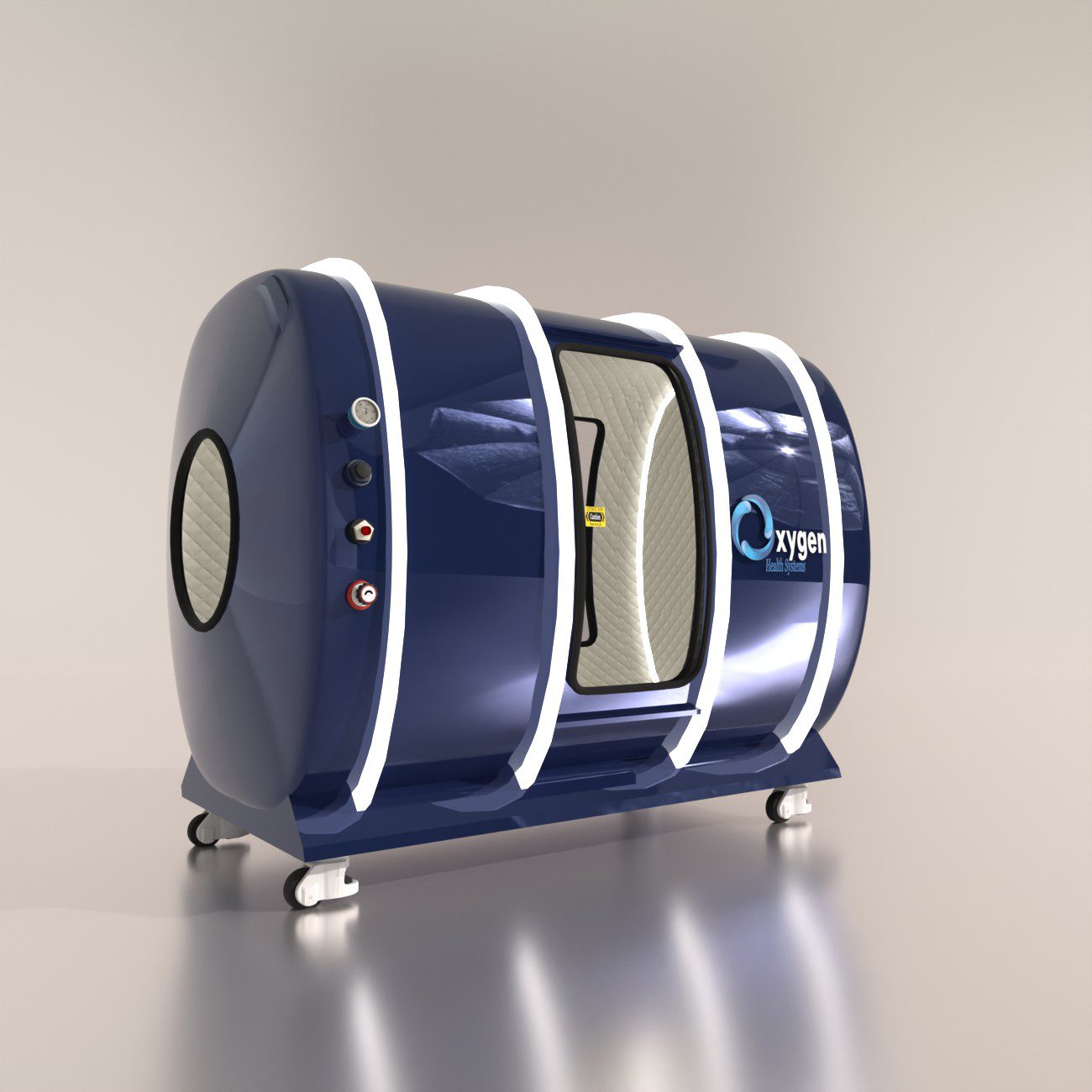
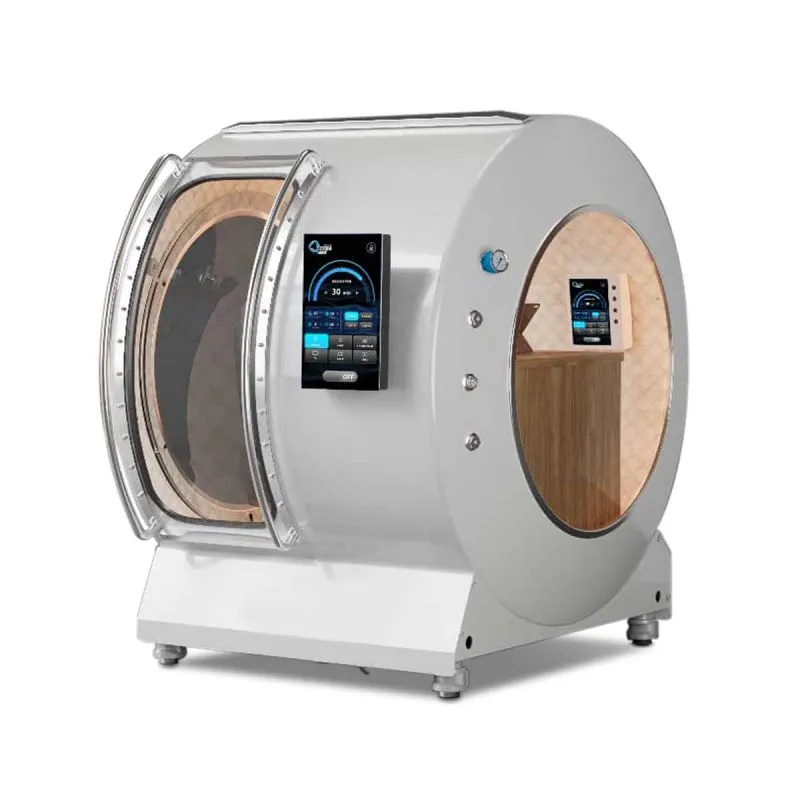
| Hard shell monoplace | 1.5 to 2.5 ATA | Integrative and medical clinics | $24,900 to $64,900 |
| Hard shell multiplace (walk-in) | 2.0 to 3.0 ATA | Hospital units, multi-patient clinics | $59,900 and above |
What to Look for When Buying a Chamber
Buy from a manufacturer that provides CE certification and ISO 13485 compliance. Both confirm the chamber meets international medical device quality standards. Any hard shell system you plan to operate at 2.0 ATA or above in a clinical setting needs ASME PVHO-1 certification. Check warranty terms carefully: three years minimum is the standard for a reliable manufacturer. Confirm that replacement parts, technical support, and installation assistance all come with the purchase before you commit.
Single Chamber vs Multi-Chamber Setup
Start with one chamber and add capacity once demand justifies it. Most clinics running consistent sessions add a second unit within 18 to 24 months of opening. Beyond the chamber purchase price, budget an additional $10,000 to $15,000 for installation, oxygen system setup, and room build-out. Skipping that buffer consistently catches new operators off guard during setup.
Browse Hyperbaric Pro’s full range of soft shell hyperbaric chambers and hard shell hyperbaric chambers to compare specs, dimensions, and pricing across every tier.
Step 4: Secure Your Location
Location decisions sink more hyperbaric startups than equipment choices do. Get the space wrong and you face costly retrofits, zoning rejections, or a layout that slows patient flow from day one.
Space Requirements
A soft shell chamber needs a minimum room size of 10 by 12 feet per unit. A 40-inch hard shell chamber requires at least 12 by 16 feet to include adequate technician space around the unit. Beyond the treatment room, budget for a waiting area, consultation room, and reception desk. A single-chamber clinic needs 500 to 800 square feet of total usable space at minimum. Multiplace and walk-in chambers require significantly more floor area and should be planned with an architect familiar with medical facility layouts.
What to Look for in a Lease
Confirm zoning allows medical or wellness use before you sign anything. Many commercial spaces are zoned for retail but not healthcare-adjacent services, and reclassification takes time and money. Negotiate a tenant improvement allowance to offset build-out costs. Landlords in most markets offer between $20 and $50 per square foot for long-term leases. Oxygen storage and ventilation systems may require structural changes that need landlord approval in advance. Prioritise ground-floor spaces with wide doorways and step-free entry for patients with mobility limitations.
Build-out Cost Estimate
A basic wellness studio build-out runs $15,000 to $40,000 covering flooring, lighting, basic HVAC, and room partitioning. A medical clinic with compliant oxygen systems and NFPA 99 ventilation requirements costs $40,000 to $100,000 to build out properly. Budget for inspections, permits, and potential structural modifications on top of contractor costs.
Step 5: Handle Insurance Billing or Set Your Cash-Pay Pricing
How you structure your revenue model determines your cash flow from month one. Cash-pay and insurance billing operate differently, and mixing them up without a clear plan creates billing headaches that slow growth.
Cash-Pay Pricing Strategy (Wellness Model)
Single sessions typically run $150 to $300 depending on your market, pressure level, and session length. Package pricing converts better than single-session pricing for most clinics. Offer 10 sessions for $1,200 to $2,500 and give patients a 15 to 20% discount that rewards commitment. Monthly memberships priced at $500 to $1,500 build predictable recurring revenue and improve patient retention significantly. Corporate wellness packages negotiated with local employers, sports teams, and gyms add a B2B revenue stream that most competitors overlook entirely.
Insurance Billing (Medical Model)
Medicare covers physician-supervised HBOT under CPT code 99183. Average reimbursement runs $150 to $200 per session, with rates varying by region and facility type. Commercial insurers require pre-authorisation, and coverage applies only to the 14 UHMS-approved indications. Attempting to bill outside approved indications creates audit risk and potential clawback liability. Review the full approved indications list in our Hyperbaric Chamber Pressure Levels Explained for Clinics post before building your billing strategy.
Hire a medical billing specialist before you see your first insured patient. Solo billing without specialist support leads to claim denials, delayed payments, and compliance errors that cost far more to fix than the specialist’s fee. Budget $500 to $2,000 per month for a billing specialist, or 6 to 10% of total collections if you use a percentage-based arrangement.
Step 6: Hire and Train Your Team
Staffing errors are expensive. Understaffing creates safety gaps. Overstaffing burns cash before revenue catches up. Match your team size to your model and hire to the right certification level from the start.
Staff You Need at Launch
A wellness clinic running at 1.3 to 1.5 ATA needs one trained technician per chamber. A medical clinic operating at 2.0 ATA requires physician oversight for all approved-indication sessions, with a Certified Hyperbaric Technologist (CHT) or Certified Hyperbaric Registered Nurse (CHRN) strongly recommended. Every model, regardless of ATA level, needs a dedicated front desk and patient coordinator from day one. Trying to run patient intake, scheduling, and payments without dedicated admin support consistently creates bottlenecks that hurt patient experience and session volume.
Salary Benchmarks
| Role | Hourly Rate / Monthly Cost |
|---|---|
| Wellness hyperbaric technician | $18 to $28 per hour |
| CHT-certified technician | $25 to $40 per hour |
| Certified Hyperbaric Registered Nurse (CHRN) | $35 to $55 per hour |
| Part-time physician medical director | $500 to $2,000 per month |
Training Resources
Hyperbaric Pro includes video training and setup guides with every chamber purchase so your team can get operational quickly. For clinical staff pursuing formal credentials, IBUM-accredited programmes provide structured hyperbaric training recognised by most state health departments. Staff pursuing CHT certification follow the pathway set by the National Board of Diving and Hyperbaric Medical Technology (NBDHMT), which sets the recognised standard for clinical hyperbaric technologist credentialing in the United States.
Step 7: Market Your Business and Attract Patients
Opening a hyperbaric clinic without a marketing plan means waiting months for word-of-mouth to build on its own. A structured approach across four channels fills your schedule faster and costs less than most operators expect.
Local SEO (Highest ROI Marketing Channel)
Claim your Google Business Profile before you open and fill every field completely. Add photos of your chamber room, waiting area, and exterior. List your services, session pricing, and hours. Local search terms like “hyperbaric chamber [your city]” and “HBOT therapy near me” drive high-intent traffic from people already looking for what you offer. Get listed on Yelp, Healthgrades, and local wellness directories to build citation authority. Ask every patient to leave a Google review after their first session. Fifty reviews at 4.8 stars outperforms any paid ad for local credibility.
Referral Partnerships (Fastest Way to Fill Your Schedule)
Referral relationships with local chiropractors, physical therapists, oncologists, wound care centres, and sports medicine practices build consistent patient flow faster than any other channel. Offer a complimentary session to any referring physician so they can speak from personal experience when recommending HBOT to patients. Create a one-page referral sheet that lists which patient types benefit most and what to expect during sessions. For the wellness model, local sports teams, gyms, and CrossFit boxes send a steady stream of recovery-focused clients who already understand the value of performance optimisation.
Social Media and Content Marketing
Post patient recovery stories on Instagram and Facebook with written consent. Short videos perform particularly well: chamber walk-throughs, staff introductions, and brief patient testimonials consistently outperform static posts in reach and engagement. Educational content about what conditions HBOT supports and what a typical session feels like builds audience trust over time. Consistency matters far more than production quality in the early stages. Posting three times per week beats posting a polished video once a month.
Paid Advertising
Google Ads targeting local hyperbaric searches convert well once your clinic has some reviews and an optimised website. Facebook and Instagram ads work better for wellness positioning and awareness campaigns. Start with a $500 to $1,000 monthly budget, run two or three ad variations, and scale the budget behind whichever creative generates bookings. Do not increase ad spend until you can clearly track which campaigns drive actual appointments.
Step 8: Plan for Growth
Most operators focus entirely on opening day and skip growth planning entirely. Thinking about scale from the start changes how you set up your systems, your financial records, and your staffing model.
When to Add a Second Chamber
Add a second unit when your first chamber runs at 70% or higher utilisation consistently for at least 60 days. At that point, turning away patients costs you more than the monthly payment on a second chamber. Overhead is already covered, so revenue from additional sessions flows to profit much faster than it did with your first unit. Most clinics that hit consistent utilisation add their second chamber 12 to 18 months after opening.
Multi-Location Expansion
Standardise your protocols, session pricing, patient intake forms, and staff training before you commit to a second location. Operators who expand before systematising spend the first year at location two fixing the same problems they had at location one. A management agreement model lets you test a new market with lower risk before signing a full commercial lease. Budget six months of operating expenses as financial runway for every new location you open.
Exit Strategy
Hyperbaric clinics with documented revenue, consistent patient retention, and clean financial records sell at 2.5 to 4 times annual revenue multiples. Build your bookkeeping, patient records, and operational documentation with a future buyer in mind from day one. Buyers pay premiums for businesses with systematised operations and predictable recurring revenue.
Startup Cost Summary
Use this as your baseline planning reference. Every figure reflects real-world operator costs across both models.
| Cost Category | Wellness Model | Medical Model |
|---|---|---|
| Chamber equipment | $6,990 to $14,900 | $24,900 to $64,900 |
| Installation and build-out | $15,000 to $40,000 | $40,000 to $100,000 |
| Legal and licensing fees | $2,000 to $5,000 | $5,000 to $15,000 |
| Insurance (annual) | $1,000 to $3,000 | $3,000 to $8,000 |
| Marketing and launch | $3,000 to $8,000 | $5,000 to $15,000 |
| Technology and software | $1,000 to $3,000 | $2,000 to $5,000 |
| Working capital (3 months) | $15,000 to $30,000 | $30,000 to $60,000 |
| Total estimated startup | $44,000 to $104,000 | $110,000 to $268,000 |
Wellness operators entering with $50,000 to $60,000 in available capital can open a single-chamber studio with a lean setup. Medical clinic operators should plan for $150,000 or more in total available capital to cover equipment, build-out, licensing, and three months of operating runway before revenue stabilises.
Ready to Open Your Hyperbaric Chamber Business?
Your business model drives every other decision you make — your chamber choice, your licensing path, your pricing structure, and your staff requirements. Get that foundation right and everything else falls into place far more smoothly.
Yes, the investment is significant. But the revenue model is proven, the break-even timeline is realistic, and the market is still growing. Operators who move now position themselves ahead of the next wave of clinics entering this space.
Ready to find the right chamber for your business? Our team has helped hundreds of clinic owners match the right equipment to their specific model and patient population.
Talk to our team and find your perfect chamber match.
FAQs
How much does it cost to start a hyperbaric chamber business?
Startup costs range from $44,000 to $104,000 for a wellness model and $110,000 to $268,000 for a medical clinic with insurance billing. Major cost variables include chamber type, build-out requirements, and whether you need physician oversight and clinical certification.
Do you need a medical license to own a hyperbaric chamber?
At 1.3 to 1.5 ATA, a wellness model typically does not require a medical license in most states. At 2.0 ATA and above, physician oversight and specific facility licensing are required for approved medical indications. Requirements vary by state, so always verify directly with your local health authority before committing to a model.
How profitable is a hyperbaric chamber business?
A single chamber running 6 sessions per day at $200 per session generates approximately $26,000 per month in gross revenue. Most wellness clinics break even within 12 to 24 months. Medical clinics billing Medicare for approved indications can reach profitability faster because reimbursement rates run higher than standard cash-pay pricing.
What is the best hyperbaric chamber for a new business?
It depends entirely on your business model. Wellness studios and recovery clinics typically start with a 1.3 to 1.5 ATA soft shell chamber in the $7,000 to $15,000 range. Medical clinics and wound care centres require a 2.0 ATA hard shell system starting at $24,900. Matching your chamber to your patient population and your operational model matters more than any other equipment decision you will make.
How long does it take to open a hyperbaric chamber business?
A wellness model operating in an existing space can open 6 to 10 weeks after chamber delivery. A medical clinic requiring a full build-out, licensing approvals, and staff hiring typically takes 3 to 6 months from initial decision to first patient session.
