
Health
Can Hyperbaric Oxygen Therapy Help Neuropathy? Pain Relief Explained

Jan
Neuropathy affects how nerves send signals across the body. Pain, tingling, numbness, or burning sensations often disrupt sleep, movement, and daily comfort. Nerve damage can come from diabetes injury, chemotherapy, or long-term inflammation. Daily life can feel unpredictable when nerve pain flares without warning.
Many people feel stuck after trying common treatments. Medications often mask pain but fail to support nerve health. Side effects add another layer of stress. Frustration grows when progress feels slow or unclear. Interest continues to rise in supportive options that work without drugs or surgery.
Growing interest leads many to ask, can hyperbaric oxygen therapy help neuropathy or can a hyperbaric chamber help neuropathy? Hyperbaric oxygen therapy for neuropathy draws attention as a supportive option rather than a cure. Readers will learn how therapy works, what evidence shows, and where benefits and limits exist.
What Is Neuropathy and Why Is It So Difficult to Treat?
Neuropathy refers to damage within the nerve network that carries signals between the brain, spinal cord, and body. Healthy nerves send clear messages that control movement, sensation, and pain response. Damage disrupts those signals and confuses the nervous system. Chronic nerve pain often follows because injured nerves misfire or stop sending messages altogether.
Nerve tissue heals more slowly than muscle, skin, or bone. Limited blood supply reduces oxygen and nutrient delivery to damaged areas. Regrowth also requires complex cellular repair that takes time. Many treatments focus on dulling pain rather than restoring nerve function. Medications may reduce symptoms but rarely address the root cause of peripheral neuropathy.
Common Symptoms
- Tingling or pins and needles
- Burning or sharp pain
- Numbness in hands or feet
- Muscle weakness
- Sensitivity to touch
Common Causes
- Diabetes
- Injury or surgery
- Chemotherapy
- Autoimmune conditions
- Chronic inflammation
What Is Hyperbaric Oxygen Therapy (HBOT)?
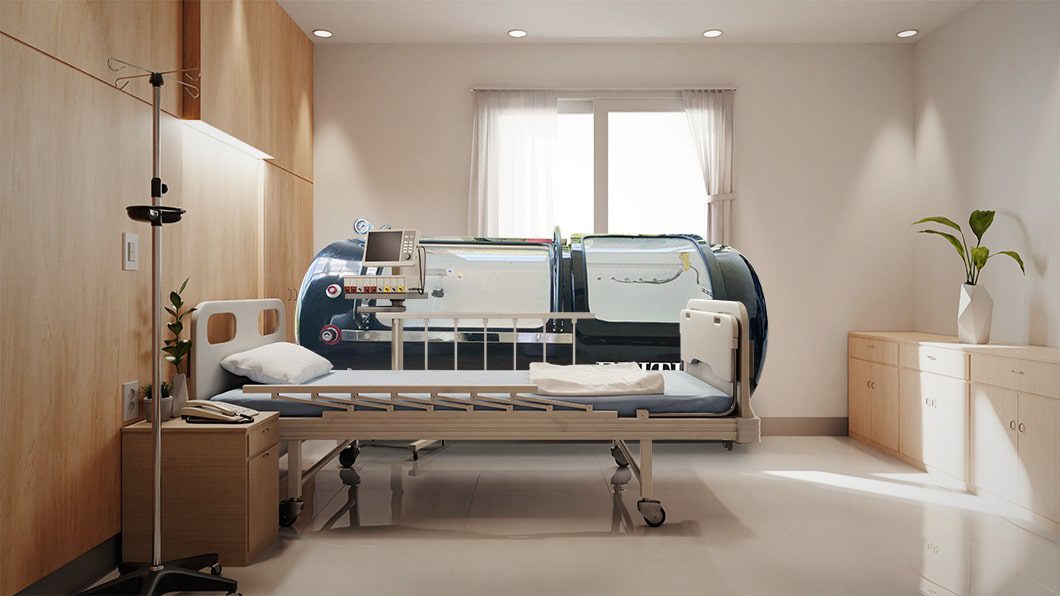
Hyperbaric oxygen therapy uses a pressurized environment to deliver higher levels of oxygen throughout the body. Treatment takes place inside a sealed hyperbaric chamber where air pressure rises above normal levels. Increased pressure allows lungs to absorb more oxygen than usual during normal breathing.
A typical session involves resting comfortably inside a hyperbaric chamber for a set period of time. Patients breathe normally while pressure increases in a controlled way. Oxygen then dissolves directly into blood plasma instead of relying only on red blood cells. Improved oxygen delivery helps reach areas with limited circulation.
Medical-grade hyperbaric chambers operate at higher pressure levels and follow clinical safety standards. Mild or home chambers use lower pressure and support general wellness goals. FDA approval covers specific medical conditions, while off-label applications continue to gain interest under professional guidance.
How Does Hyperbaric Oxygen Therapy Work for Nerve Damage?
Nerve damage often limits blood flow and lowers oxygen levels in affected areas. Poor circulation leaves nerve cells without enough fuel to repair and communicate properly. Oxygen therapy for nerve damage focuses on improving that internal environment. Increased pressure inside a hyperbaric chamber allows oxygen to dissolve directly into blood plasma and travel farther through the body. Better oxygen reach supports nerve cells that struggle under normal conditions.
Hyperbaric oxygen therapy nerve regeneration research links higher oxygen levels with improved cellular activity. Oxygen supports energy production and helps calm inflammatory responses that interfere with nerve healing. Hyperbaric chamber for nerve damage care aims to support nerve health at a biological level instead of masking discomfort.
Key Mechanisms
- Enhanced oxygen delivery: Pressure drives oxygen into plasma, reaching damaged nerves faster and consistently.
- Inflammation reduction: Oxygen-rich conditions calm swelling around nerve tissue and support healing.
- Improved circulation: Higher oxygen levels boost blood flow, delivering nutrients and removing cellular waste.
- Cell repair support: Oxygen fuels energy production and activates processes needed for nerve regeneration.
- Pain signal regulation: Healthier nerve function reduces abnormal signals and improves sensory communication.
Can Hyperbaric Oxygen Therapy Help Neuropathy Symptoms?
Many people ask whether hyperbaric oxygen therapy helps neuropathy when daily pain limits movement and sleep. Research suggests oxygen-rich environments may support nerve function and comfort in some cases. Studies often show symptom improvement rather than full recovery. Results depend on the cause severity and overall health. Hyperbaric chamber and neuropathy research continues to evolve as clinicians study long-term outcomes and ideal treatment plans. Care teams often view this approach as supportive rather than curative.
Can a hyperbaric chamber help neuropathy symptoms for everyone? Response varies widely. Some people notice gradual changes while others report minimal improvement. Medical guidance helps set realistic expectations and identify suitable candidates.
Commonly Reported Improvements
- Reduced nerve pain
- Less tingling or burning sensations
- Improved sensation
- Better sleep quality
- Improved daily comfort
Response varies widely. Some people notice gradual changes while others report minimal improvement. Medical guidance helps set realistic expectations and identify suitable candidates.
Hyperbaric Chamber Use for Different Neuropathy Types
Different neuropathy types affect nerves in different ways. Cause matters when choosing supportive care. Oxygen-based approaches often target circulation inflammation and tissue stress rather than symptoms alone. Hyperbaric chamber for neuropathy use focuses on improving oxygen delivery where nerves struggle to heal. Outcomes vary because nerve damage does not follow one pattern. Care teams evaluate underlying causes before recommending supportive options.
Hyperbaric Chamber for Diabetic Neuropathy
Diabetes damages nerves through long-term high blood sugar and reduced circulation. Poor blood flow limits oxygen and nutrient delivery to nerve tissue. Oxygen deprivation increases nerve stress and slows repair. Hyperbaric chambers for diabetic neuropathy use often target circulation support and tissue oxygenation. Improved oxygen access may help create a healthier environment for nerve function when paired with medical oversight.
Hyperbaric Oxygen Therapy for Other Neuropathy Types
Chemotherapy can injure nerves through toxic exposure and inflammation. Surgical or injury-related nerve damage often involves compression or trauma. Hyperbaric oxygen therapy for small fiber neuropathy draws interest due to oxygen needs at the cellular level. Identifying the exact cause guides realistic expectations and helps tailor supportive care strategies.
Pros and Cons of Hyperbaric Oxygen Therapy for Neuropathy
People often weigh benefits and limits before choosing supportive care options. Hyperbaric therapy for neuropathy attracts interest because it focuses on oxygen delivery rather than medications. Care decisions work best when people understand both advantages and drawbacks. Does a hyperbaric chamber help neuropathy in every case? Outcomes vary based on health history goals and commitment level. Clear expectations help guide informed choices.
Pros
- Non-invasive care: No surgery, injections, or skin penetration.
- Drug-free support: Avoids medication-related side effects.
- Healing focused: Supports tissue health rather than masking pain.
- Flexible: Complements physical therapy or nutrition plans.
Cons
- Time commitment: Requires multiple scheduled sessions.
- Cost: Pricing varies, and insurance coverage may be limited.
- Variable outcomes: Response differs based on severity.
- Eligibility: Certain medical conditions may prevent participation.
Is Hyperbaric Oxygen Therapy Worth Considering for Neuropathy?
Living with nerve discomfort often leads people to explore supportive options beyond standard care. Many ask can hyperbaric oxygen therapy help neuropathy when symptoms limit daily life. Oxygen based therapy may support nerve health by improving circulation and cellular activity. Results vary based on cause severity and overall wellness. Hyperbaric chamber help neuropathy discussions often focus on support rather than cure.
Hyperbaric oxygen therapy works best as a complementary option within a broader care plan. Realistic expectations matter because no single approach works for everyone. Professional evaluation helps determine suitability safety and potential benefit. Informed decisions bring clarity confidence and a stronger path forward when managing neuropathy symptoms.
FAQs
1. Can hyperbaric oxygen therapy help neuropathy pain?
Hyperbaric oxygen therapy may help reduce nerve pain by improving oxygen delivery and circulation. Some people notice better comfort over time, though results vary based on the cause and severity of nerve damage.
2. How long does it take to notice results from a hyperbaric chamber?
Response time differs from person to person. Some people report changes after several sessions, while others need a longer treatment course to notice symptom improvement.
3. Does a hyperbaric chamber cure neuropathy?
Hyperbaric therapy does not cure neuropathy. Treatment supports nerve health and healing processes and works best as part of a broader care plan.
4. Who should avoid hyperbaric oxygen therapy?
Certain conditions, like untreated lung issues, ear problems, or recent surgeries, may limit eligibility. Medical evaluation helps confirm safety before starting sessions.
5. Can hyperbaric oxygen therapy work alongside other neuropathy treatments?
Hyperbaric oxygen therapy often complements physical therapy, nutrition plans, or medical care. Coordinated treatment plans usually offer better overall symptom management.
