
Life Style, Health, General
Red Light Therapy: How Often Should You Use It For Best Results?
Dec
Red light therapy continues to grow across wellness and recovery routines, yet confusion around proper use still limits results. Many users search for clear direction because frequency directly affects comfort, outcomes, and long term consistency. Questions around how often you should use red light therapy appear often due to mixed advice online.
- Desire to see results without wasting sessions
- Worry about irritation or overuse
- Lack of clear red light therapy safety guidelines
Effective routines depend on red light therapy frequency, device output, and personal goals. Stronger systems require fewer sessions, while lighter devices rely on steady routines. Clear guidance removes guesswork and helps users build confidence with safe, repeatable use that supports recovery and daily wellness goals.
What Is Red Light Therapy and How Does It Work?
Red light therapy delivers targeted wavelengths that support cellular energy and natural repair. Red and near infrared light reach below the skin and activate photobiomodulation, a process that helps cells produce energy more efficiently. Proper red light therapy dosage and spacing between sessions influence how well tissue responds and adapts.
Red Light Therapy Basics Explained Simply
Light energy interacts with cells in a predictable biological way, which explains why routine and recovery matter.
- Light penetration: Red and near infrared wavelengths travel through skin and soft tissue to reach muscles and joints
- Cellular response: Mitochondria absorb light and increase ATP production to support repair and performance
- Consistency supports results: Balanced sessions combined with adequate red light therapy recovery time allow cells to respond without overload
LED Light Therapy vs Laser Therapy
| Feature | LED Therapy | Laser Therapy |
|---|---|---|
| Intensity | Moderate output | High output |
| Coverage | Treats large areas | Targets small zones |
| Typical use cases | Home wellness and recovery | Clinical and medical settings |
| Safety profile | Designed for frequent use | Requires professional control |
Can You Do Red Light Therapy Every Day?
Daily use raises common questions around safety, results, and long term comfort. Many users ask can you do red light therapy everyday because routines feel easier with daily habits. How often can you do red light therapy depends on device output, session length, and personal response. Smart routines focus on progress rather than constant exposure.
- When daily use makes sense: Low intensity devices and short sessions often support frequent use without strain.
- When to take breaks: Higher output systems benefit from rest days to support cellular recovery.
- Signs of overuse: Skin sensitivity, lingering fatigue, or discomfort signal possible red light therapy side effects.
Clear red light therapy safety guidelines help users adjust frequency early and protect long term results.
How Frequency Changes Based on Your Wellness Goals
Wellness goals shape how often light therapy fits into a routine, since pain care, skin support, and performance needs respond differently to timing and recovery demands for long term use.
Pain Relief and Inflammation Support
Pain focused routines require thoughtful spacing, because inflamed tissue responds best to steady exposure followed by recovery rather than constant sessions without rest for comfort.
- Frequency range: Moderate sessions several times weekly support red light therapy for pain relief while allowing tissue response without overwhelming sensitive areas during healing.
- Short term vs long term use: Acute discomfort may need closer spacing initially, while long term pain management improves with consistent schedules that respect adaptation and healing cycles.
- Recovery considerations: Rest days help nerves and muscles process stimulation, reducing soreness risk and supporting continued progress across weeks of regular therapeutic exposure safely.
Skin Health and Anti Aging Goals
Skin focused use depends on renewal cycles, since surface cells need time between sessions to show tone, clarity, and texture improvements with visible gradual changes.
- Weekly usage guidance: Several sessions per week encourage red light therapy for skin health without stressing delicate tissue or interrupting natural renewal patterns over time.
- Skin recovery timing: Skin cells rebuild gradually, so spacing sessions supports collagen response and reduces sensitivity during ongoing cosmetic care routines and maintenance phases effectively.
- Consistency versus intensity: Gentle repeated exposure delivers better cosmetic outcomes than high intensity bursts, which often increase irritation risk without improving visible results long term.
Performance, Recovery, and General Wellness
Performance and general wellness goals prioritize sustainability, since energy support and recovery benefits grow when routines fit training demands and daily life consistently over time.
- Maintenance routines: Moderate schedules maintain energy support and mobility benefits without disrupting sleep, work, or lifestyle balance during long term wellness routines and habits.
- Training cycle adjustments: Athletes often increase sessions during intense training blocks and reduce frequency during deloads, helping muscles adapt, recover, and perform consistently across seasons.
- Sustainable long term use: Simple repeatable routines encourage adherence, protect motivation, and allow red light therapy benefits to accumulate without burnout or dependency over extended periods.
Red Light Therapy Dosage, Safety, and Side Effects
Smart routines depend on balanced exposure, since correct use protects comfort while supporting long term results across wellness and recovery goals.
Dosage and Exposure Basics
Red light therapy dosage plays a major role in how cells respond over time. Short, controlled sessions support cellular energy without overload. Proper distance from the device allows even light spread and limits unnecessary heat. Light intensity determines how often sessions should occur, since higher output requires more recovery time while lower output supports frequent routines safely.
Safety Best Practices
Consistent habits support safety and results. Eye protection improves comfort during facial or upper body sessions. Skin checks help users notice early changes and adjust exposure quickly. Routine tracking builds consistency and prevents accidental overuse while supporting steady progress across weeks of regular use.
Recognizing Overuse
Body signals guide responsible routines and help prevent red light therapy side effects. Skin redness or warmth often signals excessive exposure. Lingering fatigue suggests a need for rest days. Slower recovery indicates dosage adjustments can restore balance and improve long term outcomes.
Red Light Therapy Benefits Timeline and Long Term Results
Progress with light based routines builds gradually, so clear expectations help users stay consistent and confident throughout each stage of use.
| Timeframe | Common Experiences |
|---|---|
| First 1 to 2 weeks | Subtle changes in comfort, relaxation, or skin feel may appear with consistent sessions |
| Weeks 3 to 6 | Improved recovery response, reduced stiffness, or clearer skin tone often becomes noticeable |
| After 2 to 3 months | Cumulative benefits such as sustained comfort, improved texture, and routine stability typically develop |
Red light therapy benefits timeline depends on consistency, dosage, and personal goals rather than quick fixes. Regular routines allow cells to adapt and respond over time. Patience supports better outcomes, since long term results grow from steady habits instead of aggressive use.
Creating a Red Light Therapy Routine That Works
Effective routines begin with understanding how often should you use red light therapy based on goals, device strength, and comfort level. Clear guidance helps users avoid overuse while supporting steady progress through consistent habits.
Personal results improve when users respect red light therapy frequency and allow the body time to respond. Adjustments based on recovery, lifestyle, and outcomes create routines that feel sustainable rather than forced. Consistency builds better long term benefits than intensity alone.
Confidence grows through informed use and patience. Smart routines support wellness without stress or guesswork. Explore high quality systems and expert guidance at Hyperbaric Pro to build a routine that supports lasting results.
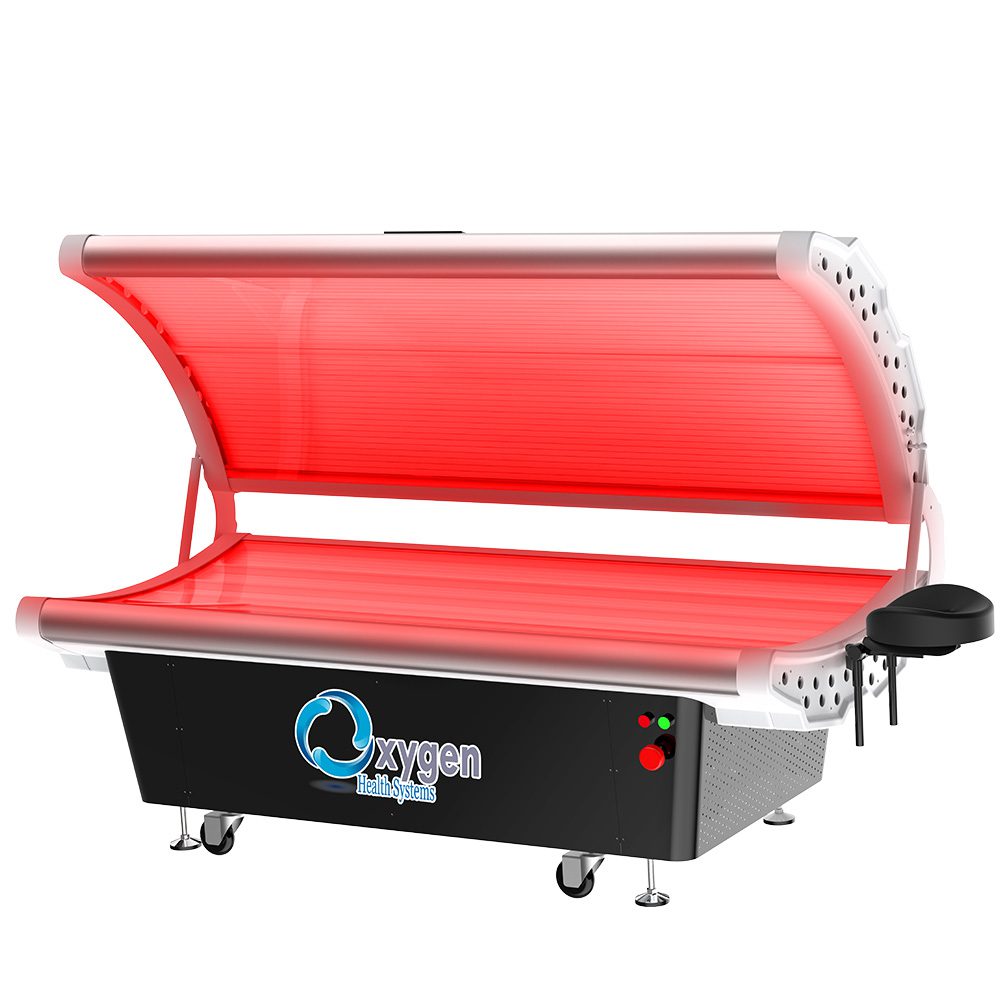
💡 Explore Red Light Therapy Bed Solutions
FAQs
1. How often should you use red light therapy for best results?
Most people see benefits with several sessions per week. Optimal timing depends on goals, device strength, and how the body responds over time.
2. Can daily red light therapy cause side effects?
Daily sessions may cause mild discomfort when exposure runs too long. Short sessions with proper spacing help reduce sensitivity and support safe use.
3. How long does it take to see results from red light therapy?
Early changes often appear within a few weeks. Visible or lasting improvements usually develop after consistent use over two to three months.
4. Does red light therapy frequency change based on goals?
Pain support, skin care, and recovery all respond differently. Each goal requires a tailored routine rather than a fixed schedule.
5. Should beginners start with fewer red light therapy sessions?
Starting with fewer sessions allows the body to adapt. Gradual increases improve comfort and help users find an effective routine.
