
Health
Best Home Hyperbaric Chamber 2026: Top Models and Buying Guide
Nov
Interest in home hyperbaric chamber use continues to grow as more individuals explore non-invasive ways to support recovery, reduce inflammation, and boost daily wellness. Consistent access to mild oxygen therapy at home can positively impact sleep quality, energy levels, and circulation when used with proper guidance.
Most personal hyperbaric chambers for residential settings operate between 1.3 and 1.5 ATA. These mild HBOT units offer a practical option for health maintenance, especially when clinical access is limited or inconsistent.
Choosing the best home hyperbaric chamber 2025 means understanding the key differences in chamber pressure, design, material strength, and oxygen system compatibility for safe, repeatable results.
Quick Look: Best Soft Shell Home Hyperbaric Chambers of 2025
| Model | Pressure (ATA) | Key Feature | Ideal For | Price |
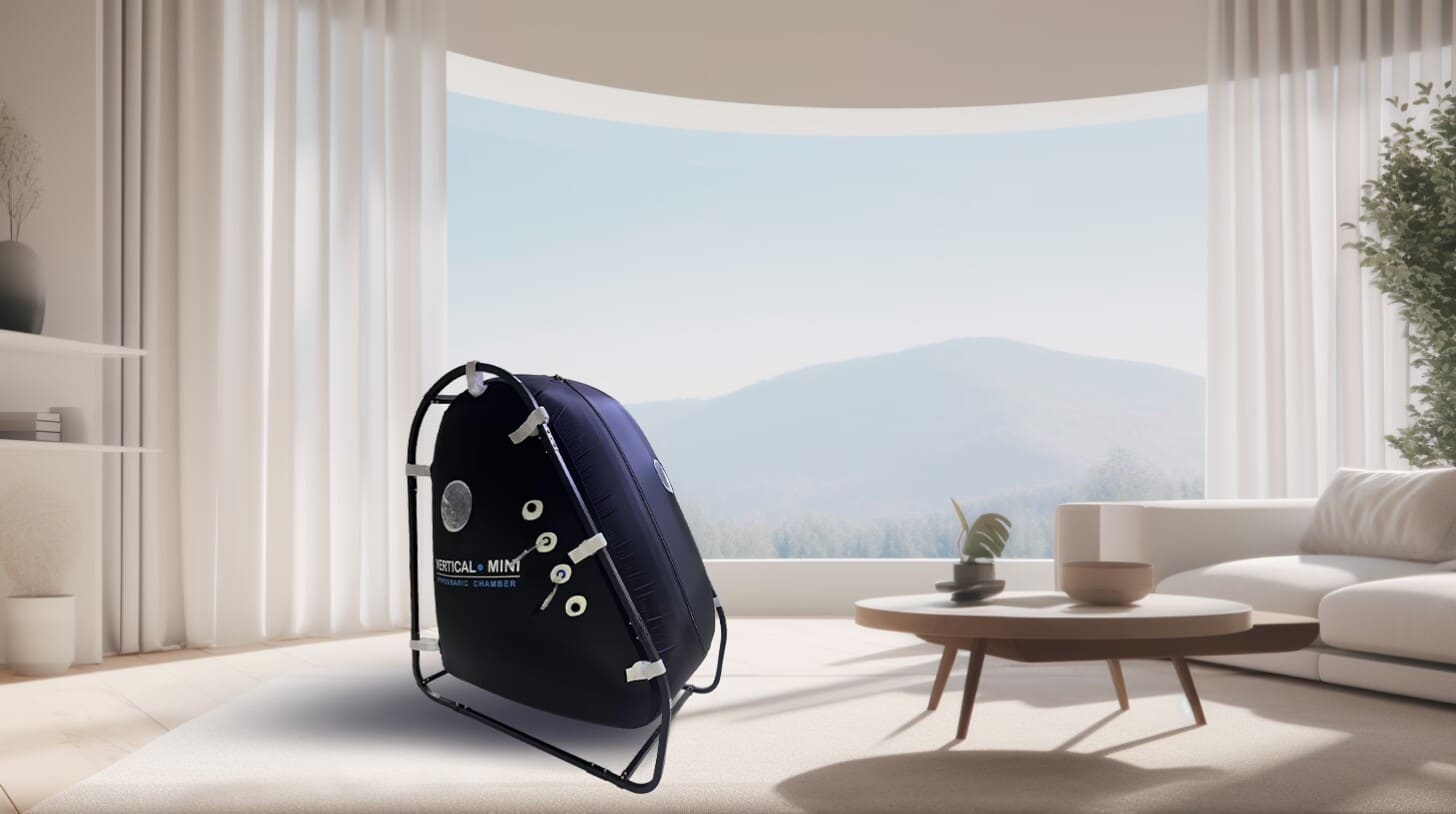
| Vertical Mini Sitting Chamber | 1.5 ATA | Highest pressure in a soft shell | Users seeking the upper limit of mild HBOT | $14,900.00 |
| OxyFlow Duo Sitting Chamber | 1.3 ATA | Dual seating capacity | Couples or shared home therapy | $17,960.00 |
| LUX-AIR 40-Inch Soft Chamber | 1.3 ATA | Wide-body comfort | Claustrophobic users or those wanting extra space | $13,300.00 |
| XLT MC4400 Wheelchair Chamber | 1.3 ATA | Extended length and accessibility | Users needing roll-in access with room to recline | $13,299.00 |
| 36-Inch Soft Chamber | 1.3 ATA | Balanced size for comfort and cost | Most users looking for value and flexibility | $9,690.00 |
| 32-Inch Soft Chamber | 1.4 ATA | Compact build for smaller areas | Single users with limited room | $12,844.00 |
| Oxyma 28-Inch Soft Chamber | 1.4 ATA | Most affordable soft shell | Entry-level buyers or budget-limited setups | $8,578.00 |

Understanding Mild HBOT for Home Use: What Sets It Apart from Clinical Chambers
Mild hyperbaric oxygen therapy at home helps improve oxygen delivery in the body using safe, low-pressure systems designed for regular personal use.
How a Home Hyperbaric Chamber Works
- Lower Pressure Range
Most home chambers operate between 1.3 and 1.5 ATA, supporting general wellness without requiring clinical oversight. - Oxygen Concentrator Support
Certified oxygen concentrators boost oxygen levels inside the chamber, enhancing delivery to cells and tissues. - Safe and Simple Setup
Soft shell or compact hard shell models offer user-friendly operation with minimal training.
Key Differences from Clinical-Grade Chambers
- Pressure and Regulation
Clinical chambers run at higher pressures (2.0 to 3.0 ATA) and are regulated for specific medical conditions. - Usage Requirements
Hospital-based units require prescriptions and are managed by trained professionals in controlled settings. - Accessibility and Cost
Personal hyperbaric chamber systems offer a more affordable and flexible solution for those seeking daily HBOT benefits at home.
Key Features to Look For in the Best Home Hyperbaric Chamber (2025)
Knowing which features matter most helps narrow your options and choose a chamber that fits both your health goals and home environment.
- Pressure Capacity (ATA)
Most in home hyperbaric chamber models range from 1.3 to 1.5 ATA. Staying within this range supports safe and effective mild oxygen therapy sessions at home. - Soft Shell Construction
Soft shell hyperbaric chamber units offer easier setup, breakdown, and portability. Their flexible form factor suits regular home use without permanent placement. - Size and Accessibility
Interior space impacts comfort during longer sessions. Always check both the internal diameter and door type for proper fit and user-friendly access. - Build Quality
Look for reinforced seams, heavy-duty zippers, and durable fabric. High-quality construction directly affects reliability, safety, and daily usability over time. - Oxygen Delivery System
Some models use only compressed air, while others integrate oxygen concentrators. Mask or hose attachments improve oxygen saturation during each therapy session. - Certifications and Safety Ratings
Units with FDA registration, CE marking, or ISO certification meet recognized standards. These credentials help ensure chamber safety, performance, and legal compliance.
Best Home Hyperbaric Chambers of 2025: Expert Reviews & Comparisons
Sifting through product specs is only part of the selection process. Every model here has been vetted for comfort, performance, and overall value using verified 2025 pricing.
1. Serenity Vertical Chamber by Elite Hyperbaric
- Key Specs: 1.4 ATA, Upright Sitting Design, Reinforced Interior
- Pros: Spacious seated setup, high-end components, built for daily use
- Cons: Higher cost and requires dedicated space
- Ideal User: Long-term HBOT users who want a vertical chamber with consistent comfort
- Price: $18,749.00
- Why It Stands Out: This premium system is purpose-built for those who value upright positioning and professional-grade durability.
2. OXYFLOW MINI with External Frame
- Key Specs: 1.4 ATA or 1.5 ATA, Stabilized Frame, Compact Format
- Pros: Solid structure, easier entry, customizable pressure range
- Cons: Frame takes up more space when set up
- Ideal User: Anyone seeking stability, flexibility, and easy home operation
- Price: $12,338.00 (1.4 ATA), $14,900.00 (1.5 ATA)
- Why It Stands Out: Combines portability with enhanced support an excellent choice for reliable use at either pressure level.3
3. XLT MC4000 / MC4400 Wheelchair-Ready
- Key Specs: 1.4 ATA, Vertical Layout, Mobility Access Built In
- Pros: Roll-in design, strong support frame, easy-to-use interface
- Cons: Higher cost due to advanced accessibility features
- Ideal User: Individuals needing full wheelchair access or mobility support
- Price: $13,548.00 (MC4000), $15,148.00 (MC4400)
- Why It Stands Out: Inclusive engineering ensures effective HBOT use without barriers or assistance.
4.Lux-Air 40-Inch with J-Style Door
- Key Specs: 1.4 ATA, Wide Interior, Side Entry Access
- Pros: Spacious layout, self-entry ease, lower confinement feeling
- Cons: Requires more floor space than standard widths
- Ideal User: Users wanting extra room and intuitive access
- Price: $15,149.00
- Why It Stands Out: Designed for comfort-first users who value space and smooth operation during daily therapy.
5. Oxyma 28-Inch Chamber
- Key Specs: 1.4 ATA, Lightweight Format, Compact Build
- Pros: Affordable, easy to install, fits in smaller rooms
- Cons: Limited width may feel restrictive for larger users
- Ideal User: First-time users or anyone with space or budget constraints
- Price: $8,578.00
- Why It Stands Out: A reliable entry point into mild HBOT that doesn’t compromise on essential features.


Benefits and Safety of Home Hyperbaric Chambers
Using a personal hyperbaric chamber can support wellness goals, but safety and medical guidance are key for effective and responsible use.
What Are the Benefits of Mild Hyperbaric Oxygen Therapy at Home?
Mild hyperbaric oxygen therapy at home may support general well-being and recovery when used consistently with medical supervision. Personal use offers privacy and convenience for regular sessions.
Below are some widely recognized benefits supported by user reports and ongoing research:
- Improved energy and rest
Regular HBOT may help boost physical stamina and support deeper, more restorative sleep cycles in consistent users over time. - Post-exercise recovery
Users often report faster muscle recovery, reduced soreness, and better performance following physical activity or training sessions. - Circulation support
Increased oxygenation under mild pressure may promote healthier blood flow to tissues, which could aid healing and reduce fatigue. - Reduced inflammation signals
Some users notice improvements in symptoms linked to inflammation, such as joint discomfort, although individual responses vary significantly. - Cognitive clarity
Enhanced oxygen delivery has been linked to better focus, alertness, and mental clarity, particularly in those experiencing fatigue. - General wellness effects
Reported outcomes may include immune support and overall recovery enhancement. Results differ between users. Not a replacement for clinical treatment. - Always consult a qualified provider
Medical screening is critical. Personal chambers must only be used under the supervision of a licensed health professional familiar with HBOT.
Is It Safe to Use a Hyperbaric Chamber at Home?
Home HBOT is generally safe when protocols are followed and units are medically approved. Key safety guidelines must be observed at all times.
Here are essential practices for safe operation and common errors to avoid:
Essential Safety Guidelines
- Obtain physician clearance
Medical evaluation rules out conditions that may conflict with HBOT, such as lung disease or inner ear problems. - Use correct session settings
Stick to prescribed pressure levels and session durations to avoid adverse effects or oxygen toxicity symptoms. - Ensure proper ventilation
Position oxygen equipment in a well-ventilated area and never near electrical hazards or closed compartments.
Mistakes to Avoid
- Skipping medical screening
Lack of professional approval increases risk of complications, especially for users with preexisting conditions or sensitive respiratory systems. - Buying uncertified equipment
Low-quality units may lack pressure stability, filtration, or leak resistance. Choose trusted, reviewed, and certified brands only. - Ignoring maintenance steps
Neglected zippers, valves, or filters can reduce performance and increase wear. Keep components clean and inspected regularly. - Using unapproved oxygen sources
Only use oxygen concentrators and accessories designed for your specific model. Third-party or high-pressure tanks pose avoidable dangers.
Why Medical Clearance Should Come First
- Confirms fitness for use
Screening helps rule out HBOT-incompatible issues like untreated sinus infections or certain lung and cardiovascular disorders. - Sets safe session limits
Healthcare professionals can align pressure and timing with your goals while avoiding excessive exposure or unrealistic expectations. - Avoids risky interactions
Some medications may respond poorly to high oxygen levels. Proper clearance ensures your safety across all health factors.
Conclusion: Choose the Right Chamber With Confidence
Selecting the best home hyperbaric chamber for 2025 starts with clarity on your pressure preferences, available space, and safety requirements. A chamber that fits your lifestyle and budget can support wellness goals while reducing unnecessary risk.
Understanding the differences between soft shell and hard shell models helps narrow your options. Certified units paired with proper medical clearance ensure a safe, effective HBOT experience. Matching your needs to the right configuration avoids costly mistakes and improves long-term usability.
Explore the full product lineup on Hyperbaric Pro, or request expert help with your selection. Always consult your healthcare provider before using a personal hyperbaric chamber for any therapeutic purpose.
Frequently Asked Questions (FAQs)
What pressure level is best for home hyperbaric chambers?
Most personal hyperbaric chambers operate at 1.3 to 1.5 ATA. This range is widely used for general wellness, recovery, and home-based mild HBOT.
Are home hyperbaric chambers safe to use without supervision?
Home use is generally safe when medical clearance is obtained first. Follow pressure guidelines, session durations, and manufacturer instructions to avoid misuse.
What is the difference between soft shell and hard shell chambers?
Soft shell chambers offer flexibility, portability, and affordability. Hard shell units deliver higher durability, pressure control, and a more clinical experience.
Can hyperbaric oxygen therapy be used to treat medical conditions?
Only FDA-approved conditions qualify for clinical HBOT. Home chambers support wellness but are not intended to diagnose or treat specific diseases.
How long does a typical home HBOT session last?
Most users follow 60 to 90-minute sessions, once or twice daily, depending on personal goals and provider recommendations. Always follow safety protocols.
