
Dec
Many first-time buyers assume higher pressure always means better results. Hyperbaric oxygen therapy does not work that way. Pressure level affects oxygen delivery, safety requirements, comfort, and who the chamber is designed for. Understanding those differences matters more than chasing the highest number.
ATA stands for atmospheres absolute, a way to measure pressure compared to sea level. Normal air pressure at sea level equals 1.0 ATA. Hyperbaric chambers increase that pressure to help oxygen dissolve more efficiently into the bloodstream.
Pressure level directly influences outcomes, tolerance, and how the chamber can be used. Choosing between 1.3 ATA vs 1.5 ATA vs 2.0 ATA hyperbaric chambers requires clarity, not marketing claims. The goal here is to explain each option clearly so buyers can make an informed decision based on real needs and realistic expectations.
What Does ATA Mean in Hyperbaric Therapy?
ATA measures pressure relative to sea level. At 1.3 ATA, pressure is thirty percent higher than normal air pressure. At 2.0 ATA, pressure doubles what the body experiences at sea level.
Higher pressure allows more oxygen to dissolve into plasma, not just bind to red blood cells. That increased oxygen availability explains why pressure matters in hyperbaric oxygen therapy.
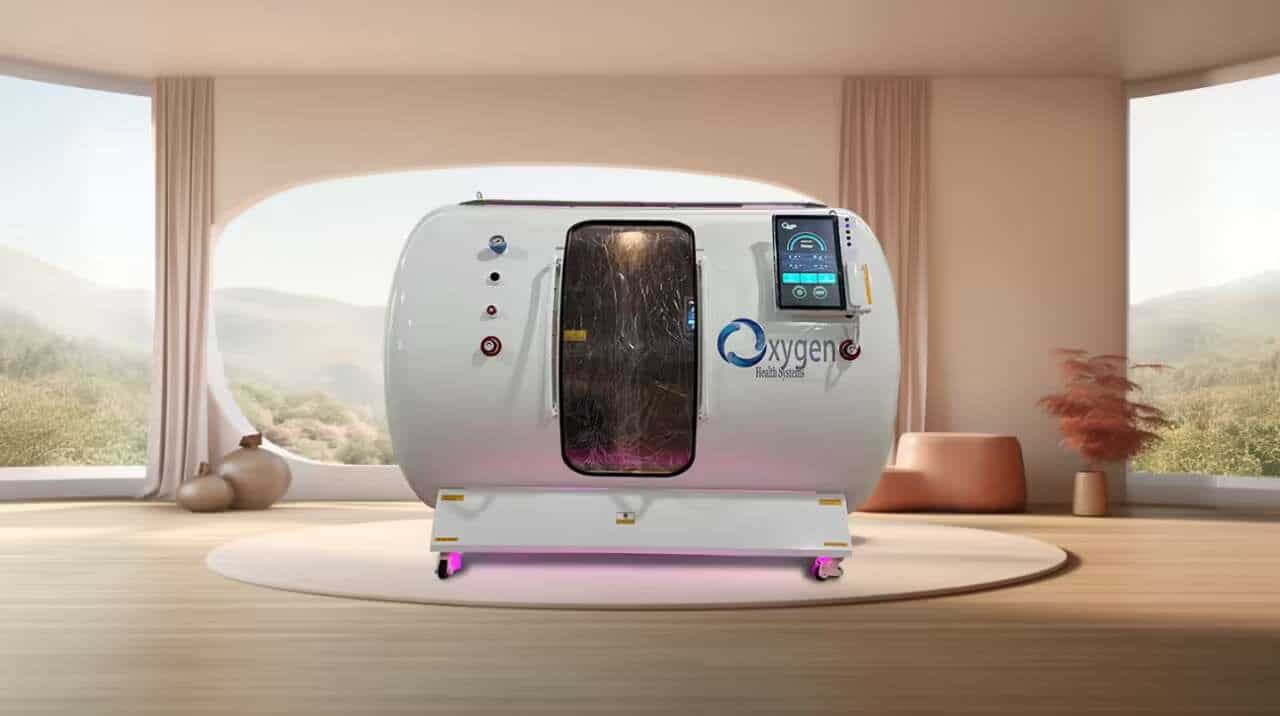
Chamber design links closely to pressure range. Soft shell chambers usually operate between 1.3 and 1.5 ATA and rely on ambient air or oxygen concentrators. Hard shell chambers reach 2.0 ATA or higher and deliver medical grade oxygen under strict controls. Each range serves a different purpose and user profile.
How Do 1.3 ATA, 1.5 ATA, and 2.0 ATA Chambers Differ?
Pressure level shapes how a hyperbaric chamber performs in real use, affecting oxygen delivery, comfort, safety requirements, and who each chamber suits best.
1.3 ATA Chambers
Soft shell chambers dominate this category. Construction uses flexible materials, making them lighter and easier to install in residential spaces. Oxygen delivery typically relies on ambient air, sometimes supplemented by low-flow concentrators.
Wellness oriented users often choose this level for recovery routines, relaxation, and general oxygen exposure. Pressure remains mild, which supports comfort and repeat use.
Limitations exist. Oxygen solubility increases modestly compared to higher pressures. Expectations should stay realistic, especially for users seeking clinical-level intervention.
Ideal users include beginners, athletes focused on recovery, and individuals prioritizing comfort, lower cost, and home use simplicity.
1.5 ATA Chambers
A 1.5 ATA hyperbaric chamber represents a middle ground. Both advanced soft chambers and entry-level hard chambers operate at this pressure.
Oxygen solubility improves compared to 1.3 ATA, offering a stronger physiological effect without jumping to medical-grade pressures. Many users report a balance between effectiveness and tolerance.
Comfort remains an important factor. Pressure changes feel more noticeable, and proper acclimation becomes more important. Research literature often references 1.5 ATA in wellness and recovery contexts, though claims must remain conservative.
Ideal users include experienced wellness users, athletes seeking stronger recovery support, and buyers wanting more pressure without clinical complexity.
2.0 ATA Chambers
A 2.0 ATA hyperbaric chamber falls into medical-grade territory. Construction uses rigid hard shells designed to withstand higher pressure safely.
Clinical facilities commonly use this pressure level under FDA-recognized indications. Operation usually requires trained supervision, formal protocols, and strict safety standards.
Higher pressure increases oxygen delivery significantly but also raises risk factors. Barotrauma, oxygen toxicity concerns, and pressure equalization challenges require careful management. Cost, space, and regulatory considerations increase substantially.
Ideal users include clinical settings or buyers working under medical guidance with clear justification for higher pressure use.

How Do 1.3 ATA, 1.5 ATA, and 2.0 ATA Chambers Compare Side by Side?
| Feature | 1.3 ATA | 1.5 ATA | 2.0 ATA |
|---|---|---|---|
| Pressure Level | Mild | Moderate | High |
| Chamber Type | Soft shell | Soft or hard | Hard shell |
| Oxygen Delivery | Ambient air or concentrator | Enhanced oxygen delivery | Medical grade oxygen |
| Typical Use Case | Wellness, recovery | Advanced wellness, performance | Clinical supervised use |
| Cost Range | Lower | Mid-range | High |
| Pros | Comfortable, accessible, home-friendly | Better oxygen solubility, balanced | Strong oxygen delivery |
| Cons | Limited intensity | Higher cost than 1.3 | Supervision, safety risks |
Language around pressure remains neutral because each level serves a different purpose rather than ranking better or worse.
What Factors Matter Most When Choosing a Hyperbaric Chamber?
Buyer goals should guide pressure selection. Recovery routines differ from clinical-adjacent needs. Matching pressure to intent prevents disappointment.
Safety and compliance matter. Soft chambers prioritize accessibility while hard chambers require protocols and oversight. Oxygen delivery methods also differ, influencing both effectiveness and risk profile.
Budget and space constraints play a major role. Home hyperbaric chamber pressure choices must align with installation space, noise tolerance, and long-term usability.
Which ATA Level Is Right for Your Goals and Setup?
Choosing between 1.3 ATA vs 1.5 ATA vs 2.0 ATA hyperbaric chambers depends on personal goals, safety limits, and practical setup rather than pressure alone. Pressure level influences oxygen solubility, treatment tolerance, space needs, and daily usability. Careful evaluation helps buyers avoid overcommitting to intensity that does not match real use.
- 1.3 ATA supports entry level wellness routines, recovery support, and home hyperbaric chamber pressure needs where comfort and consistency matter most.
- 1.5 ATA provides stronger hyperbaric oxygen therapy pressure for users seeking deeper oxygen exposure with manageable safety demands.
- 2.0 ATA fits medical grade oxygen delivery environments that require oversight, compliance, and structured protocols.
📞 Call Now To Consult with a specialist
Review available options with a Hyperbaric Pro specialist to select a chamber that fits goals with confidence.
FAQs
How much stronger is 1.5 ATA compared to 1.3 ATA?
Pressure increase improves oxygen solubility modestly rather than dramatically. Differences matter over repeated sessions rather than delivering instant results.
Does higher pressure always mean better benefits?
Higher pressure changes oxygen delivery but also increases safety requirements. Better depends on goals, tolerance, and proper use rather than pressure alone.
Are soft chambers safe for home use?
Soft chambers operate within lower pressure ranges designed for home environments when used according to manufacturer guidelines.
Are there conditions that limit hyperbaric chamber use?
Certain health factors affect tolerance. Consultation with a qualified healthcare professional remains important before starting any hyperbaric routine.
