
Style, Life Style, Health, General
Sleeping in a Hyperbaric Chamber: What to Know
Dec
Wellness-focused consumers continue to explore new ways to enhance rest and recovery. Sleeping in hyperbaric chamber environments attracts attention from athletes and high performers who already use oxygen-based tools during training and daily recovery routines.
Modern recovery culture blends sleep optimization, technology, and at-home wellness practices into everyday life. Pop culture references helped spark early interest, yet current curiosity centers on practical use rather than extreme or celebrity driven claims.
Educational clarity matters when discussing sleeping in a hyperbaric oxygen chamber at home. Content ahead explains clear realistic expectations, consumer safety considerations, and common questions readers ask before exploring overnight use without presenting medical advice or guarantees.
Can You Sleep in a Hyperbaric Chamber?
Many people exploring oxygen based recovery ask a simple question: can you sleep in a hyperbaric chamber during regular use at home.
- Direct answer for users: Yes people can sleep in hyperbaric chamber sessions once relaxation sets in, although most users experience light sleep or rest rather than full overnight sleep cycles.
- Technical possibility versus best practice: Falling asleep can happen naturally, yet manufacturers recommend structured sessions instead of treating chambers like a bedroom environment.
- Session based design approach: Home hyperbaric chamber use focuses on sixty to ninety minute sessions that support recovery and relaxation instead of extended overnight exposure.
- Consumer and clinical differences: Consumer chambers operate at mild pressure for wellness use, while clinical HBOT setups follow medical protocols with continuous supervision and monitoring.
- Comfort and sleep quality limits: Restricted movement, pressure adjustments, and positional limits often interrupt deep uninterrupted sleep even when users fall asleep briefly.
- Safety guidance and responsibility: HBOT safety during sleep depends on following manufacturer instructions, pressure limits, and oxygen flow guidelines rather than unsupervised sleep habits.
Clear understanding of purpose and design helps users decide how sleep fits into responsible chamber use.
What Happens to Your Body When Sleeping in a Hyperbaric Chamber
Oxygen and pressure work together inside a chamber to change how rest feels. Mild pressure helps lungs absorb more oxygen than normal breathing, which supports cellular relaxation.
Many readers ask what sleeping in a hyperbaric chamber does compared to regular sleep. Difference comes from oxygen delivery. Hyperbaric oxygen therapy for sleep may raise oxygen saturation during rest and promote deeper relaxation.
- Oxygen absorption response: Higher oxygen levels circulate through blood plasma and tissues, supporting recovery focused rest rather than medical treatment.
- Pressure awareness: Ears may feel light pressure during changes, similar to gentle altitude shifts, without pain when users follow proper techniques.
- Physical relaxation: Muscle tension often eases as breathing slows and rhythmic airflow encourages calm states.
- Sensory experience: Warmth, subtle airflow sounds, and enclosed space create a quiet environment that supports rest.
- Mental response: Calm breathing and reduced stimulation often encourage meditative or nap like states.
Resting, napping, and deep sleep differ inside a chamber. Short sessions support relaxation and light sleep rather than full overnight sleep cycles. Clear expectations help users approach sessions as recovery tools rather than sleep replacements.
Potential Benefits of Sleeping in a Hyperbaric Chamber
Many people explore nighttime chamber use for wellness support rather than medical treatment. Benefits described below reflect user reported experiences and recovery focused routines.
Results depend on individual response, chamber setup, and consistency. Athletes, biohackers, and high stress professionals often approach this practice as part of broader recovery planning instead of a standalone solution.
- Recovery focused rest: Improved oxygen delivery during rest may support muscle recovery after intense training. Users interested in recovery and oxygen therapy often describe feeling less fatigued following regular sessions.
- Pre sleep relaxation support: Calm breathing and reduced sensory input can help users unwind before bedtime. Relaxed nervous system states often encourage smoother transitions into rest at home.
- Oxygen availability during rest: Higher oxygen exposure while resting may support cellular energy processes. Many users associate this effect with the perceived benefits of sleeping in a hyperbaric chamber.
- Inflammation related wellness context: Some individuals explore HBOT for inflammation and healing as part of lifestyle recovery routines. Reports often focus on general comfort and joint relief rather than targeted treatment outcomes.
- Stress management habits: Guided breathing and quiet chamber environments may aid mental recovery for high workload or high stress lifestyles. Biohackers often integrate sessions into structured stress management plans.
- Consistency and routine value: Regular exposure builds predictable habits around rest and recovery. Effects of sleeping nightly in hyperbaric chamber use vary widely, which makes personal experimentation essential.
Personal response plays a major role in perceived benefits. Chamber use supports wellness routines best when paired with healthy sleep habits, proper training recovery, and thoughtful scheduling. Research, such as a WSU study where HBOT improved sleep quality in a clinical recovery program, underscores sleep’s foundational role in effective regimens.
Risks, Limitations, and Safety Considerations
Responsible use starts with understanding limits and safety expectations. Extended or overnight sleep inside pressurized equipment often raises concerns related to comfort, monitoring, and oxygen control. Hyperbaric chamber manufacturers design consumer systems for structured sessions rather than all night use.
Educational awareness helps users approach hyperbaric oxygen therapy for sleep with realistic boundaries instead of assumptions. Content here offers general information rather than medical guidance.
- Ear pressure changes: Pressure adjustments can affect ears and sinuses. Equalization techniques help, yet prolonged exposure increases discomfort risk for sensitive users.
- Heat and airflow comfort: Body heat builds inside enclosed spaces. Air circulation limits often affect comfort during long sessions, especially for overnight attempts.
- Movement restrictions: Limited space reduces natural position changes. Lack of movement can interrupt sleep quality and cause stiffness.
- Oxygen delivery oversight: Sleeping in a hyperbaric oxygen chamber requires proper oxygen flow control. Unmonitored delivery increases safety concerns during extended rest.
- Session duration limits: Chamber designs support defined exposure windows. Overnight sleep exceeds recommended use ranges for most consumer models.
- Monitoring and supervision: Unsupervised use increases risk if discomfort arises. Active awareness supports HBOT safety during sleep rather than passive overnight use.
Manufacturer guidance plays a critical role in safe operation. Adhering to pressure limits, oxygen settings, and recommended session timing helps users enjoy recovery benefits while minimizing risk.
Tips for a Safe and Comfortable Session
Follow simple habits to support comfort and safety during chamber use.
- Start with Shorter Sessions: Begin with thirty minute sessions to help the body adjust to pressure and oxygen exposure.
- Equalize Ears Early and Often: Swallow or gently move the jaw as pressure increases to reduce ear discomfort.
- Choose Breathable Clothing: Wear loose cotton clothing to improve airflow and reduce heat buildup.
- Use an External Timer: Set a timer outside the chamber and avoid relying on falling asleep to track session length.
- Stay Well Hydrated: Drink water before and after each session to support circulation and comfort.
Equipment Considerations for Hyperbaric Sleeping
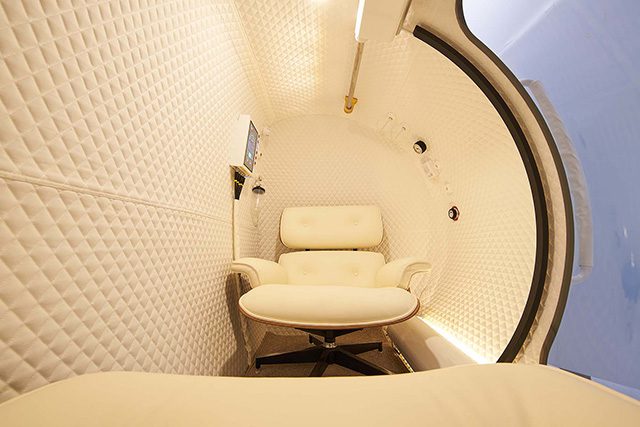
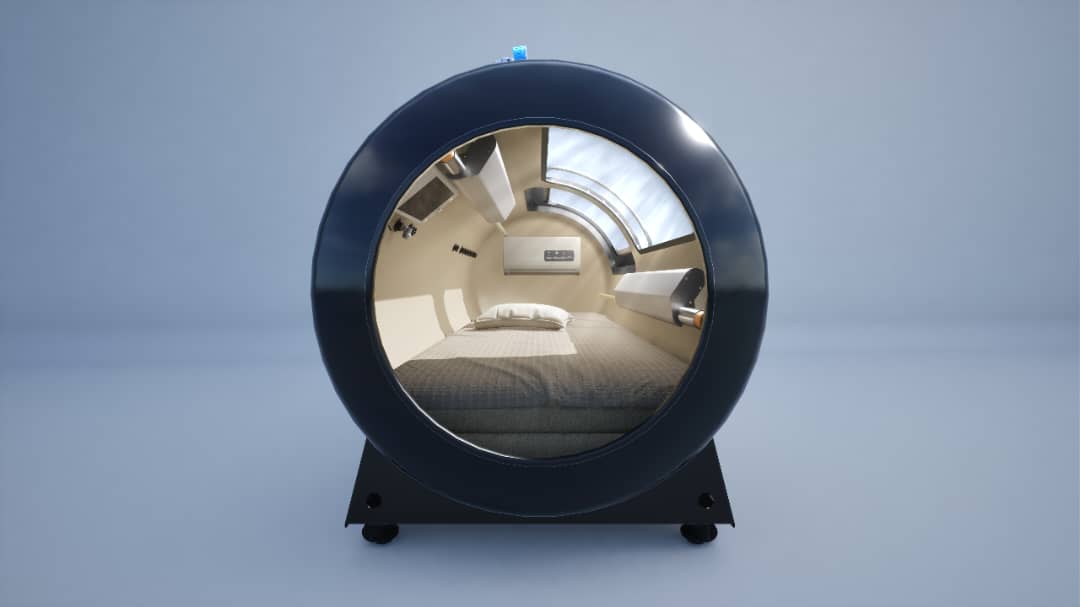
Equipment choice plays a major role when users consider extended rest or sleep inside a chamber. Design, size, airflow, and accessory support all influence comfort and safety. Standard wellness chambers focus on timed recovery sessions, while a hyperbaric sleeping chamber supports longer periods of rest through added space and comfort features. Understanding these differences helps buyers match equipment to intended use rather than assumptions.
| Feature | Standard Hyperbaric Chamber | Hyperbaric Sleeping Setup |
|---|---|---|
| Primary use | Short recovery sessions | Extended rest or sleep attempts |
| Interior space | Compact for seated or reclined use | Roomier layout for relaxed positioning |
| Comfort focus | Moderate padding | Enhanced padding and support |
| Accessories | Optional upgrades | Often paired with sleeping aids |
Accessories strongly influence the experience. A hyperbaric chamber sleeping bag can help regulate body temperature and improve comfort during longer sessions. Proper padding and airflow improve relaxation while reducing rest interruptions.
Buyers exploring a hyperbaric sleeping chamber for sale often look beyond pressure levels and focus on usability, ease of entry, and safety features.
Equipment does not replace good sleep habits. Thoughtful selection supports rest intentions while respecting manufacturer guidelines and realistic session limits.
Is Sleeping in a Hyperbaric Chamber Worth Exploring?
Growing interest in sleeping in hyperbaric chamber environments reflects rising awareness around recovery and oxygen focused wellness tools. Information shared here highlights how mild pressure and oxygen exposure influence rest without turning chambers into traditional sleep spaces.
Most users gain value by focusing on structured sessions rather than overnight use. Short sessions encourage relaxation, oxygen support, and recovery benefits. Attempts to sleep in hyperbaric chamber setups often result in lighter rest instead of full sleep cycles.
Informed decisions create better outcomes. Home hyperbaric chamber use works best with realistic expectations, comfort awareness, and adherence to manufacturer guidance. Calm evaluation helps users explore recovery benefits responsibly without medical assumptions or exaggerated claims.
🔍 Visit Hyperbaric Pro to find the perfect system for your recovery and relaxation needs
FAQs
