
Style, Life Style, Health
Portable Hyperbaric Oxygen Chambers: Who They’re For and How They Work
Dec
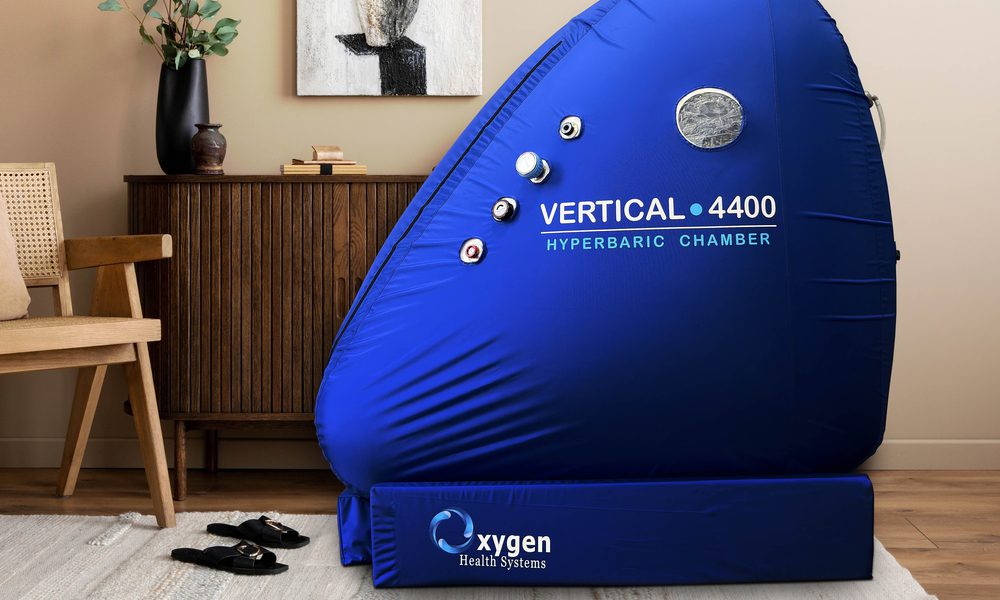
Portable hyperbaric chambers are soft-sided pressurized enclosures designed for personal use. Each unit allows users to breathe concentrated oxygen in a sealed space, where mild pressure enhances oxygen absorption at the cellular level. Many individuals choose them for home-based sessions that require no clinical setup.
Interest in home oxygen therapy has grown rapidly. Recovery from long-term illness, especially post-COVID fatigue, has led people to seek supportive, non-invasive options. Others turn to this technology to address inflammation or to support general energy levels. In wellness circles, these systems attract attention for their potential role in cognitive clarity and longevity practices.
Are portable chambers effective, safe, and a wise long-term choice for personal use? Let’s find out.
What Is a Portable Hyperbaric Oxygen Chamber?
Portable hyperbaric chambers deliver oxygen at mild pressure, helping the body absorb more oxygen to support recovery, reduce inflammation, and enhance energy.
Basic Definition and Design
Portable hyperbaric oxygen chambers provide a controlled pressurized environment for non-clinical therapeutic use. These chambers are built with soft, flexible shells made from phthalate-free, medical-grade materials. Most feature a zippered entry system, allowing users to enter the chamber without assistance. Once sealed, the chamber connects to an oxygen concentrator and a dedicated air compressor that raises the internal air pressure and oxygen level.
Portable chambers typically operate within a safe pressure range between 1.3 and 1.5 ATA. This pressure range qualifies them as mild hyperbaric systems, making them suitable for regular wellness routines at home. The purpose of these chambers is to allow more oxygen to dissolve into the bloodstream, which may support healing, inflammation control, and recovery.
Models vary by diameter and length to meet individual preferences and space requirements. Options include:
- Oxyma 28-Inch: Lightweight and compact, ideal for travel or small spaces.
- 36-Inch with Air Conditioning: Mid-sized for comfort with cooling functionality.
- Lux-Air 40-Inch: Spacious interior for long sessions and greater ease of movement.
Each model supports different therapeutic goals, whether users want a compact solution or a chamber that prioritizes airflow and temperature regulation. Hyperbaric Pro offers all of these types, making them accessible for users who seek at-home oxygen therapy solutions with professional-grade features.
Soft Shell vs Hard Shell: What’s the Difference?
Portable oxygen chambers come in two primary categories: soft-shell and hard-shell systems. Both are designed for oxygen-based therapy but serve very different purposes. Understanding these differences helps users choose the right solution for their lifestyle and health needs.
Soft-shell chambers are designed for home use. They operate at lower pressure levels and are easier to set up in a personal environment. Hard-shell models are larger, rigid systems found in medical clinics and hospitals. These chambers often support higher pressures and are built for specific medical treatments under professional supervision.
| Feature | Soft-Shell Portable Chamber | Hard-Shell Clinical Chamber |
|---|---|---|
| Pressure | 1.3–1.5 ATA | Up to 3.0 ATA |
| Portability | High | None |
| Cost Range | $8,500–$18,000 | $50,000+ |
| Intended Use | At home | Hospitals or medical clinics |
Soft-shell models like the Lux-Air series and OxyFlow Mini give users flexibility and independence. These chambers are ideal for individuals who want a reliable solution without clinical visits. In contrast, hard-shell systems, such as the M5500 Multiplace Chamber (Hyperbaric Pro’s flagship clinical unit) require installation, monitoring, and medical clearance for use.
Hyperbaric Pro focuses on soft-shell systems that meet high durability and performance standards while remaining accessible for personal wellness goals.
How Do Portable Hyperbaric Chambers Work?
Portable hyperbaric chambers use controlled pressure and concentrated oxygen to help the body absorb more oxygen and support natural recovery processes.
The Science Behind HBOT
Portable hyperbaric chambers create an oxygen-rich environment under mild pressure. As a user relaxes inside, the increased pressure helps oxygen dissolve more efficiently into the bloodstream. This improved absorption delivers oxygen deep into tissues that may struggle with circulation or damage.
Cells rely on oxygen to function. When the body receives more than usual, it uses that supply to support recovery, repair inflammation, and produce energy. Oxygen saturation refers to how much oxygen the blood carries. Higher saturation levels allow the body to restore damaged areas and maintain overall balance.
Mild oxygen therapy does not force the body to respond. Instead, it supports natural recovery through safe, sustained exposure to elevated oxygen levels.
Components of a Portable HBOT Machine
Each portable system includes several essential components that work together to maintain pressure and oxygen flow.
- Oxygen concentrator filters room air and delivers purified oxygen.
- The air compressor maintains steady pressure inside the chamber during use.
- Soft chamber seals tightly with zippers for safe pressurization.
- Pressure gauge displays current internal pressure for easy monitoring.
- The release valve regulates airflow and maintains consistent internal pressure.
Higher-end models may include added features such as internal cooling systems, vertical entry designs, or integrated seating for accessibility. These enhancements improve user comfort and make daily use easier for individuals with mobility challenges, a hallmark of the Lux-Air and 28-inch Hyperbaric Oxygen Chamber lines.

What Are the Benefits of Portable Hyperbaric Oxygen Therapy?
Portable hyperbaric oxygen therapy offers targeted support for physical recovery, cognitive function, and overall wellness.
Core Health Benefits (Expanded)
Portable oxygen therapy helps the body recover by increasing oxygen availability where healing and repair are needed most.
Clinically Supported Benefits
Researchers have studied the effects of pressurized oxygen in various medical and therapeutic contexts. Mild oxygen therapy increases oxygen concentration in body tissues, which plays a vital role in healing and circulation. Studies suggest that using this method consistently may support recovery in specific non-critical conditions.
- Reduce inflammation in soft tissue and joints
- Promote faster healing in minor wounds and injuries
- Improve blood flow to under-oxygenated areas
- Support neurological recovery in non-acute cases
Anecdotal and Wellness-Based Benefits
Users often report improvements in mental sharpness, restfulness, and energy after using portable units regularly. These observations vary based on personal health, consistency, and individual response to the therapy.
- Improve clarity and focus during daily tasks
- Support more restful and deeper sleep cycles
- Boost daily energy and physical stamina
- Enhance general mood and emotional stability
How Safe Are Portable HBOT Chambers?
Safety Guidelines for Home Use
Safe operation begins with proper setup. Place the chamber in a clean, well-ventilated space with no flammable materials nearby. Choose a flat surface with enough room around the chamber for safe entry and exit. Maintain a clear area to avoid airflow restrictions or equipment overheating.
Regular inspections help keep the chamber functioning properly. Look for signs of wear and check that each component is working as expected.
- Clean the air filters according to the manufacturer’s schedule
- Inspect the zipper for smooth closure and secure seals
- Confirm tight hose connections before each session
- Keep oxygen sources away from heaters, stoves, or electrical appliances
Follow these steps consistently to ensure reliable operation at home.
Hyperbaric Therapy Safety Tips
Start with brief sessions at the lowest pressure setting recommended. Increase session time only after confirming your comfort with the process. Use a pulse oximeter to observe oxygen levels during use.
Stay alert to how your body responds during each session.
- Stop the session if you feel lightheaded or experience sinus pressure
- Avoid using the chamber during a cold, flu, or ear infection
- Exit immediately if you notice shortness of breath or chest discomfort
- Keep a phone or alert system nearby for added safety if needed
Monitor your body closely and speak with a healthcare provider if symptoms persist after any session.
Limitations and Considerations Before Buying
Understanding Pressure Limits
Portable chambers operate at lower pressure levels, typically between 1.3 and 1.5 ATA. These settings allow users to benefit from mild hyperbaric therapy in non-clinical environments. Units within this range support general wellness and recovery goals when used consistently.
Users should understand where these systems apply and where they do not:
- Do not treat emergency medical conditions such as carbon monoxide poisoning
- Do not replace hospital-grade therapy for decompression sickness
- Focus on mild use cases such as fatigue support or inflammation management
- Operate within safe pressure limits suited for non-acute, home-based care
Regulatory and Access Concerns
Users exploring personal therapy should review relevant medical regulations before purchase. Portable chambers often receive FDA clearance for specific wellness applications, which differs from full medical approval.
Key access and compliance factors include:
- FDA grants clearance, not approval, for most home-use units
- Some states or countries require a prescription for oxygen concentrators
- Insurance providers rarely reimburse purchases for non-clinical use
- Units must meet safety standards for pressure and material certification
Is a Portable Hyperbaric Chamber Worth It?
Investing in a personal oxygen chamber requires more than curiosity. Individuals should evaluate how well the unit fits their health needs, daily habits, and long-term goals. Making an informed choice helps avoid wasted time and improves satisfaction with the therapy experience.
- Frequency of Use Use the chamber often enough to support consistent outcomes. Infrequent sessions limit potential progress and do not justify a high upfront cost.
- Personal Health Goals Set clear goals such as fatigue support, recovery enhancement, or cognitive clarity. Track progress over time to measure results against expectations.
- Home Setup Confirm that the space allows proper placement and ventilation. Measure before purchase to avoid complications after delivery.
- Ease of Use Choose a model that matches your ability to manage pressure settings, zipper enclosures, and session timing. Feel confident using it without technical help.
- Compare Other Options Review pricing for clinical sessions and estimate long-term costs. Balance convenience at home against expert monitoring in a professional facility.
Informed Choices in At-Home Hyperbaric Therapy
Portable oxygen chambers support individuals who want to take a more active role in their recovery or wellness routine. Each system delivers oxygen under mild pressure and helps the body support natural functions such as energy production, circulation, and healing. People considering this option should understand how it works and decide if it aligns with personal health goals.
Buyers should not view portable therapy as a replacement for medical care. Speak with a qualified provider before starting sessions, especially when managing chronic or complex conditions. Set realistic expectations, follow usage guidelines, and monitor results over time.
Hyperbaric Pro provides reliable insight, product variety, and ongoing guidance to help individuals make informed decisions with confidence and clarity.
FAQs
