
General
Is a Hyperbaric Chamber Legal at Home in the U.S.?
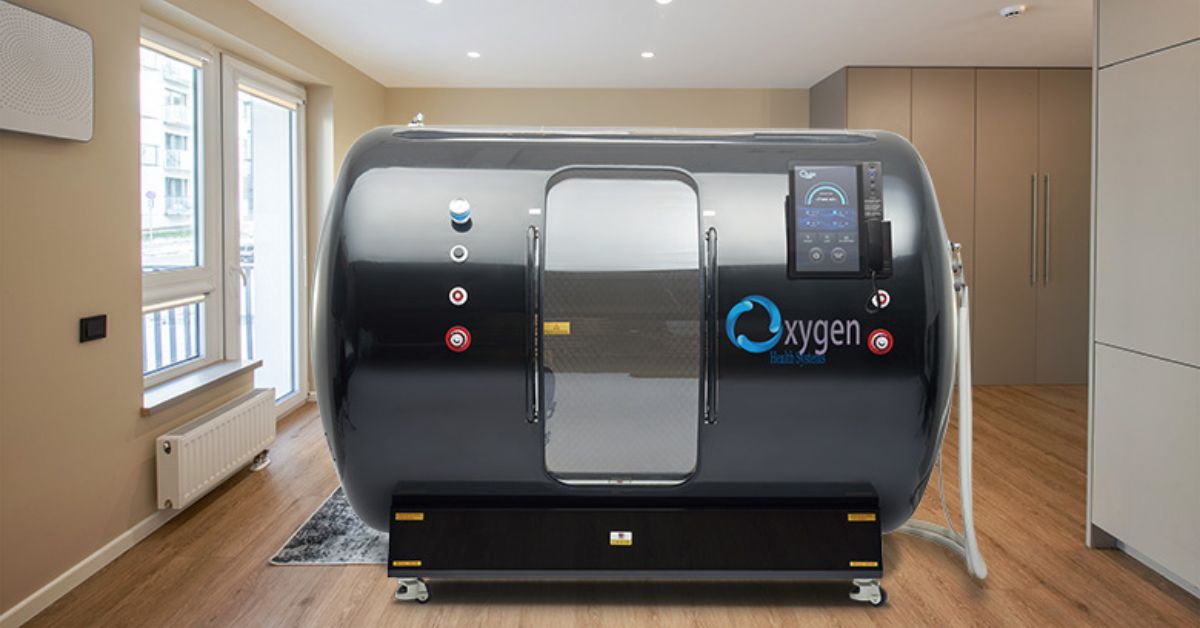
Feb
Home hyperbaric chambers have become easier to buy, so one question comes up fast: is home use legal in the United States? Many people ask before spending money or starting regular sessions at home.
U.S. law generally allows home ownership and personal use. Rules still depend on chamber type, how a company markets it, and whether a person uses it for wellness or medical treatment.
Quick Answer — Is It Legal to Use a Hyperbaric Chamber at Home in the U.S.?
Yes, federal law allows private individuals to own and operate a chamber at home in most situations. Many people asking is it legal to use a hyperbaric chamber at home want clarity before purchasing. Regulations focus on device classification and medical claims rather than simple ownership.
- • Ownership Is Legal: Federal law allows individuals to purchase and operate home use hyperbaric chambers for personal use.
- • FDA Regulates Devices: FDA oversees medical devices, labeling accuracy, and how manufacturers classify medical grade equipment.
- • Marketing Claims Matter: Companies must avoid unapproved medical claims when promoting any hyperbaric chamber legal for sale.
- • Prescription Depends on Type: Higher pressure systems or medical intent may require physician authorization depending on supplier policies.
- • Intended Use Influences Rules: Wellness focused use faces fewer restrictions than treating medical conditions without supervision.
What “Legal” Means for Owning and Using a Hyperbaric Chamber
People often use the word “legal” as if it covers everything. U.S. rules work differently. Ownership, personal use, and medical advertising fall under separate standards. Clear definitions help avoid mistakes, especially when someone plans to purchase a unit for home use.
Legal to Own vs Legal to Use vs Legal to Market
Buying a chamber for home use usually stays legal across the United States. Private ownership rarely creates legal trouble by itself. Personal use also stays legal when a person follows the manufacturer’s operating instructions and uses the unit responsibly.
Marketing creates the biggest separation. Companies cannot legally advertise a chamber as a treatment for serious diseases unless FDA labeling supports those claims. Advertising rules apply to sellers, clinics, and anyone promoting a chamber online.
Why Medical Claims Are the Biggest Issue
Most legal problems start when someone makes medical promises. Claims like “treats cancer,” “cures diabetes,” or “replaces surgery” raise immediate red flags. FDA oversight focuses heavily on claims because claims influence consumer decisions and patient safety.
Home users also need to think carefully about how they talk about results. Sharing personal experience differs from advertising a medical outcome. Still, anyone selling, renting, or promoting a unit should avoid medical promises unless a licensed medical professional supports the statement through approved indications.
Federal Regulation vs State Medical Practice Laws
Federal agencies regulate devices and advertising. State laws regulate medical practice. State medical boards decide who can treat patients and how providers must supervise care.
Personal home use usually stays outside medical practice rules. Problems arise when someone uses a chamber as a business, offers sessions to others, or claims to treat medical conditions without proper oversight. Hyperbaric chamber laws vary more at the business level than at the personal ownership level.
Are Hyperbaric Chambers FDA Approved or Cleared?
Confusion around FDA language causes most legal misunderstandings. Many buyers assume every medical device must carry full approval. Federal rules work differently. FDA assigns categories based on risk level and intended use, not simple ownership.
FDA Approved vs FDA Cleared
FDA Approved applies to high risk devices that require extensive clinical data before sale. Approval demands a stricter review process and applies to a limited group of products.
FDA Cleared applies to many medical devices under the 510 k pathway. Clearance means a device proves substantial equivalence to an existing legally marketed product. Many hyperbaric units fall into this category rather than full approval.
What the FDA Regulates for Hyperbaric Chambers
FDA oversees device safety classification, labeling accuracy, and stated intended use. Classification depends on pressure levels, oxygen delivery systems, and medical positioning.
Agency also regulates advertising claims. A manufacturer cannot legally promote a device as treating specific diseases unless the labeling supports that indication. Sellers must match all public claims with the cleared or approved use on file.
Why “FDA Approved for Home Use” Gets Misunderstood
Many advertisements use broad phrases like FDA approved hyperbaric chamber without explaining context. Approval may apply to certain clinical indications rather than casual home wellness use.
Private ownership does not require FDA approval. Regulatory attention centers on how a company labels and markets the product. Buyers should verify whether a product is an FDA cleared hyperbaric chamber and confirm its listed intended use before purchase.
Do You Need a Prescription for a Hyperbaric Chamber?
Many buyers ask do you need a prescription for a hyperbaric chamber before placing an order. The answer depends on device type, pressure level, oxygen delivery system, and intended medical use. Federal law does not require a prescription for simple ownership, yet certain setups involve stricter oversight.
When a Prescription Is Typically Required
Higher pressure hard shell systems often involve medical grade classifications. Clinical use for approved medical conditions usually requires physician supervision. Suppliers may request documentation when equipment operates at higher atmospheric pressure or integrates concentrated oxygen delivery.
Using a chamber as part of formal medical treatment increases the likelihood of needing written authorization. Healthcare providers often oversee these cases to ensure patient safety and proper protocol.
When It Is Usually Not Required
Mild units designed for wellness applications often sell without a prescription. Many portable systems operate at lower pressure levels and target general health support rather than specific disease treatment.
Personal use at home without medical claims typically does not trigger mandatory physician approval. Buyers should still review manufacturer recommendations and confirm pressure ratings before purchase.
Why Some Sellers Still Ask for One
Some companies request a prescription for hyperbaric chamber at home setups to reduce liability. Medical consultation adds a layer of safety screening and documentation.
Supplier policy may exceed minimum legal requirements. Policy does not always reflect federal mandate. Distinction matters. Not legally required does not mean not medically advisable. Consulting a qualified healthcare provider remains a smart decision when addressing health conditions.
Soft-Shell vs Hard-Shell Chambers — Legal Considerations
Chamber type affects how regulators and suppliers treat home use. Pressure range, oxygen setup, and intended claims shape most compliance questions. Choosing the right home hyperbaric chamber type starts with understanding how soft and hard units differ.
Soft-Shell Chambers
Soft shell models usually operate at mild pressure levels. Lower pressure design leads to fewer regulatory concerns, especially when users avoid medical treatment claims. Most rely on ambient air systems, keeping operation simpler.
Hard-Shell Chambers
Hard shell systems operate at higher pressures and align with clinical protocols. These often trigger stricter supplier policies, training requirements, and mandatory physician involvement due to equipment complexity.
Which Option Raises More Legal and Regulatory Questions?
Hard shell chambers raise more legal questions in most cases. Medical intent, higher pressure ratings, and oxygen use create stricter oversight. Mild hyperbaric chamber legal concerns remain lower when users stick to wellness use and avoid disease treatment claims.
Is a Hyperbaric Chamber at Home Legal in the U.S.? Final Answer
Home ownership and personal use remain legal in most situations across the United States. The question is it legal to use a hyperbaric chamber at home has a clear answer for most buyers: Yes, when a person uses equipment responsibly and follows manufacturer instructions.
Legal issues usually connect to marketing claims, not home use. FDA oversight focuses on how companies label devices and what health claims appear in ads. Medical grade systems also raise more requirements, especially when higher pressure and oxygen delivery enter the setup.
Prescription needs depend on chamber type, intended use, and supplier policy. Safe use still matters, even when law allows ownership. If you are considering a home hyperbaric chamber U.S. regulations support, choose one designed for safe home use.
FAQs
Is it illegal to buy a hyperbaric chamber in the U.S.?
No. Federal law allows individuals to purchase a chamber for personal use. Legal concerns usually relate to medical claims or commercial operation, not simple ownership.
Can anyone own a hyperbaric chamber?
Adults can legally own one for home use in most states. Buyers must follow manufacturer instructions and avoid promoting medical treatment without proper licensing.
Do I need a doctor to use a hyperbaric chamber?
Personal wellness use does not always require physician supervision. Medical treatment for specific conditions often requires guidance from a licensed healthcare provider.
Can I legally use oxygen with a home chamber?
Use of oxygen depends on equipment type and supplier policy. Higher concentration oxygen systems often require more oversight due to safety and regulatory standards.
Is it legal to use a hyperbaric chamber for medical conditions?
Use for approved medical indications typically requires physician involvement. Treating serious conditions without supervision can create regulatory and licensing issues.
