
Life Style, Health, General
Hyperbaric Oxygen Therapy at Home: Setup, Safety, and Session Planning
Jan
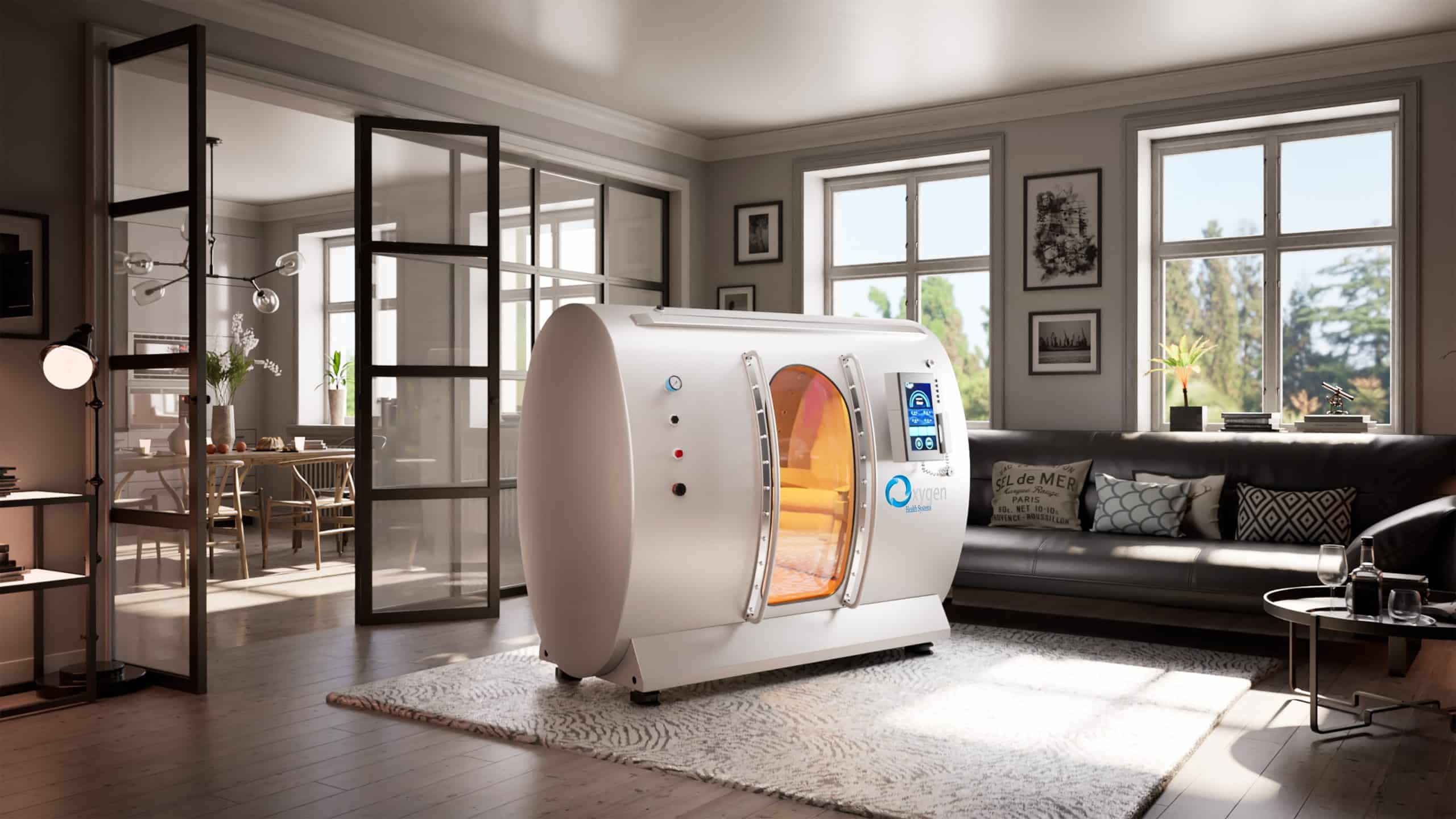
Home hyperbaric oxygen therapy often brings questions about safety, comfort and daily use. Clear expectations help during setup and early sessions with a soft shell hyperbaric chamber or hard shell hyperbaric chamber at home use decisions for families.
Guidance here focuses on home HBOT setup session planning and general hyperbaric chamber safety at home. Medical treatment advice diagnoses and promises stay outside scope while education supports informed choices. Clear explanations cover pressure levels and oxygen concentrator basics.
Safety focused learning builds confidence for hyperbaric oxygen therapy sessions at home. Practical details help manage pressure sensations, monitor comfort and know when to pause use without replacing professional care. Calm guidance supports steady routines and long term use.
Understanding Home Hyperbaric Oxygen Therapy
Home hyperbaric oxygen therapy uses a pressurized chamber to deliver oxygen in a controlled setting. Sessions take place inside a personal system designed for regular use without clinical supervision. Purpose centers on wellness routines and structured oxygen exposure rather than medical treatment.
Home chambers differ from hospital systems in size pressure range and daily operation. Clinical environments use higher pressure and direct medical oversight. Home models operate at lower pressure levels and support consistent scheduling with simple controls and guided use.
Soft shell hyperbaric chambers use flexible materials and lighter pressure for comfort focused routines. Hard shell hyperbaric chambers offer a rigid structure and steady airflow. General use favors shorter sessions gradual pressure adjustment and careful attention to comfort signals.
Is Home Hyperbaric Oxygen Therapy Safe
Home hyperbaric oxygen therapy can support daily wellness routines when users follow clear safety practices. Safety depends on proper setup correct equipment use and steady awareness during every session. Consistent habits and informed choices reduce avoidable risks and support confident use at home.
- Proper chamber use: Follow manufacturer instructions for entry pressurization and exit to maintain safe operation during each session.
- Pressure limits in home systems: Home units use controlled pressure levels designed for personal use and comfort focused sessions.
- Oxygen concentrator role: Home oxygen concentrators supply purified oxygen and require correct placement airflow checks and routine monitoring.
- HBOT safety guidelines: General HBOT safety guidelines include comfort checks equipment inspection and stopping sessions when discomfort appears.
Preparing Your Space and Equipment
Careful preparation supports safe use and improves comfort during home hyperbaric oxygen therapy sessions. A well planned space helps equipment function correctly and reduces distractions during pressurization and decompression.
- Room requirements: Choose a clean area with enough space for full chamber access, proper ventilation and a stable power source.
- Chamber placement and inspection: Position a soft shell hyperbaric chamber or hard shell hyperbaric chamber on a flat surface and check seals, zippers and valves before use.
- Oxygen concentrator setup: Place a home oxygen concentrator nearby with clear airflow paths and confirm tubing connections and filters remain clean.
- Items to remove before sessions: Remove sharp objects, electronics oils and flammable materials to protect equipment and support hyperbaric chamber safety at home.
| Required Items | Optional Comfort Items |
|---|---|
| Hyperbaric chamber | Pillow or light blanket |
| Oxygen concentrator | Reading material |
| Power access | Comfortable clothing |
Step by Step Home HBOT Session Setup
A clear session flow supports comfort safety and consistency during home hyperbaric oxygen therapy use. Following each step in order helps maintain steady pressure control and reduces avoidable discomfort.
- Pre session checks and preparation: Confirm chamber connections inspect seals review pressure settings and ensure the oxygen concentrator runs correctly before entry.
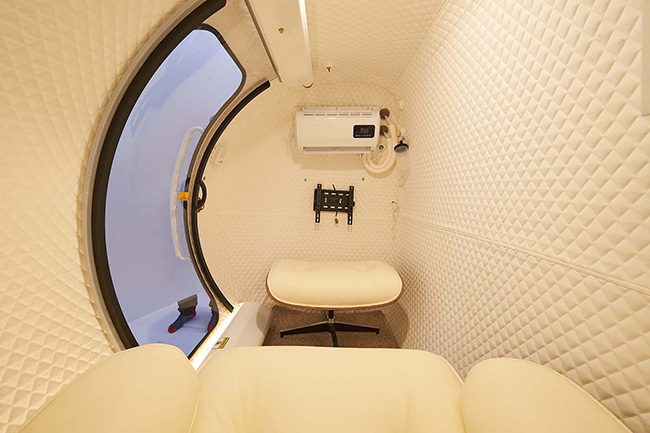
- Entering the chamber safely: Sit or lie down slowly inside the chamber and secure closures according to manufacturer guidance for home HBOT setup.
- Pressurization basics: Increase pressure gradually to match recommended hyperbaric therapy pressure levels and allow ears to adjust comfortably.
- During session positioning and comfort: Maintain a relaxed position adjust cushions if needed and monitor breathing and body signals throughout the session.
- Depressurization and exit: Reduce pressure slowly at session end exit calmly and allow the body to readjust before standing.
During the Session What to Expect
Home hyperbaric oxygen therapy sessions usually feel steady and controlled when setup follows proper steps. Familiar sensations often appear as pressure increases and airflow stabilizes. Understanding these changes supports calm breathing and better comfort during hyperbaric oxygen therapy sessions at home.
Normal Sensations
Mild ear pressure gentle popping and relaxed breathing commonly occur during home HBOT sessions. Body adjustment happens gradually as pressure levels stabilize and oxygen flow remains consistent. Warmth calmness and slight changes in airflow sounds often feel reassuring. Comfort usually improves as sessions progress and familiarity with the chamber increases.
Signs to Pay Attention To
Sharp ear pain chest discomfort or sudden dizziness require immediate attention during home hyperbaric oxygen therapy. These signals indicate a need to slow pressurization or pause use. Breathing difficulty persistent discomfort or pressure that fails to equalize should prompt session stoppage. Safety awareness supports responsible hyperbaric chamber use at home.
Post Session Care and Monitoring
Post session care supports comfort recovery and responsible use after home hyperbaric oxygen therapy sessions. Simple habits after each session help the body adjust and keep equipment ready for future use.
- Safe exit and decompression awareness: Exit the chamber slowly after full depressurization and allow the body a few minutes to rebalance before standing.
- Hydration and rest: Drink water and rest briefly to support circulation and comfort following hyperbaric oxygen therapy sessions at home.
- Self observation after sessions: Notice ear comfort breathing ease and overall feeling to guide future session length and pressure levels.
- Equipment shutdown checks: Turn off the oxygen concentrator secure chamber closures and inspect hoses and valves to maintain safe home HBOT setup.
Common Mistakes and Safety Warnings
Careful habits help reduce avoidable risks during home hyperbaric oxygen therapy use. Awareness of common mistakes supports safer routines and protects both users and equipment without creating unnecessary concern.
- Skipping safety checks: Routine inspection of chamber seals valves and tubing helps maintain reliable operation during each session.
- Exceeding pressure or time limits: Home systems support specific hyperbaric therapy pressure levels and session durations designed for personal use.
- Improper oxygen concentrator use: Correct airflow placement filter checks and power management keep oxygen delivery steady and safe.
- Ignoring discomfort signs: Ear pain dizziness or breathing discomfort require immediate response to support hyperbaric chamber safety at home.
When to Avoid or Stop Home HBOT
Safe use of home hyperbaric oxygen therapy depends on awareness of limits and warning signs. Knowing when to pause or avoid sessions protects personal well being and supports responsible long term use of home HBOT systems.
Situations Where HBOT Should Be Avoided
Certain health conditions: Ear infections lung issues sinus blockage or unmanaged medical conditions may increase risk during hyperbaric oxygen therapy sessions at home. Consultation with a qualified professional helps determine suitability before starting home hyperbaric oxygen therapy routines.
Signs to Stop a Session Immediately
Physical warning signs: Severe ear pain chest tightness dizziness nausea or breathing difficulty require stopping the session right away. Equipment related concerns like loss of pressure unusual sounds oxygen concentrator malfunction or visible chamber issues demand immediate shutdown and inspection.
Safe Home HBOT Starts With Informed Use and Steady Planning
Safe home hyperbaric oxygen therapy depends on informed setup steady routines and attention to comfort. Clear planning supports consistent sessions pressure awareness equipment care and calm use for families and caregivers. Guided habits reduce uncertainty during daily use. Responsible session planning encourages safe pressurization hydration and recovery. Awareness of hyperbaric chamber safety at home helps users pause when discomfort appears and maintain proper oxygen concentrator practices. Simple checks support reliable long term routines for home HBOT.
Confidence grows through steady learning realistic expectations and personal awareness. Informed choices around session length pressure levels and surroundings support comfortable hyperbaric oxygen therapy sessions at home. Balanced guidance encourages careful use without promises and respects individual limits.
FAQs
How long is a hyperbaric session at home?
Home hyperbaric oxygen therapy sessions usually run between thirty and sixty minutes. Session length depends on comfort tolerance pressure settings and guidance provided with the home chamber.
How often can sessions be done?
Many users schedule hyperbaric oxygen therapy sessions at home several times per week. Consistent spacing supports comfort steady routines and responsible home HBOT use.
Can caregivers assist during sessions?
Caregivers often help with home HBOT setup entry and monitoring. Support during sessions improves comfort awareness and hyperbaric chamber safety at home.
Who should not use hyperbaric oxygen therapy?
Individuals with certain ear lung or sinus conditions may need to avoid home hyperbaric oxygen therapy. Professional guidance helps confirm suitability before regular use.
What pressure levels do home chambers use?
Home systems operate at lower hyperbaric therapy pressure levels than clinical units. Controlled pressure supports comfort focused sessions designed for home environments.
