
General
How to Buy a New Hyperbaric Chamber: Step by Step Guide (2026)
Feb
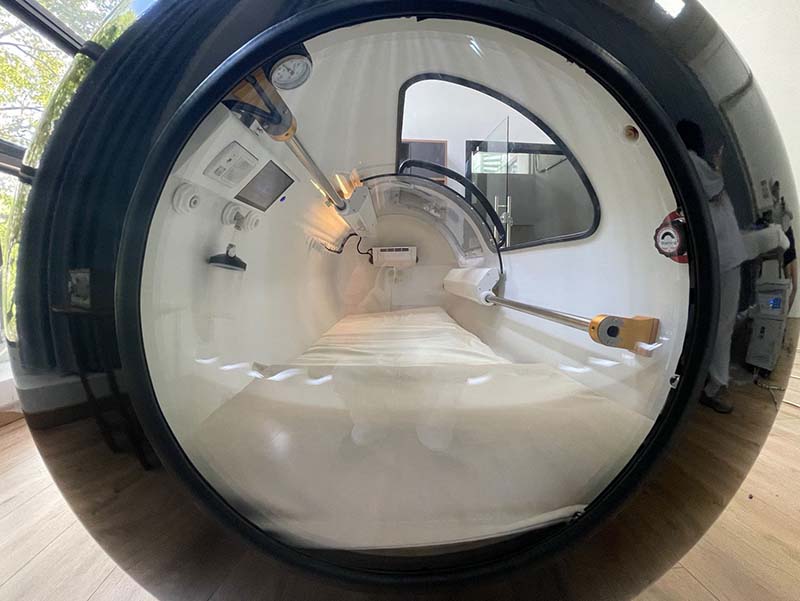
Buying a new hyperbaric chamber requires careful planning and a clear understanding of your goals. Home wellness users invest in chambers to support recovery, immune health, and long term vitality. Athletes use pressurized oxygen therapy to improve performance and reduce downtime after intense training. Biohackers seek advanced recovery tools to optimize physical and cognitive output. Medical clinics and recovery centers install higher pressure systems to expand treatment options and serve patients more effectively.
Modern chambers are available in pressure ranges from 1.3 ATA to 3.0 ATA, allowing buyers to match equipment with specific needs. Lower pressure systems often suit residential use, while higher ATA units support clinical environments. Choosing between purchasing a new system and renting therapy sessions affects both cost and convenience. Ownership provides consistent access and long term value, while renting limits scheduling flexibility and increases cumulative expense over time.
Clear steps below outline how US buyers can evaluate pressure levels, safety standards, certifications, and total investment before making a confident purchase decision.
Step 1: Identify Who Is Buying the Chamber
Start by defining the primary user. Purchase decisions change based on whether equipment will serve personal wellness goals or licensed medical treatment. Pressure level, chamber design, oxygen delivery method, and budget all depend on buyer profile. Clear identification at this stage prevents overspending or selecting an underpowered system.
Home Buyers 1.3 ATA to 1.5 ATA Most Common
Home users usually choose chambers rated between 1.3 ATA and 1.5 ATA. Mild pressurization supports wellness routines, immune support, anti aging goals, and general recovery. Many residential buyers want consistent access without scheduling clinic visits.
Home installations require practical considerations such as available space, electrical capacity, and ventilation. Softshell or lower pressure hardshell units often meet these needs without complex buildouts. Buyers focused on chronic condition support often prioritize ease of use and manageable operating costs.
Athletes and High Performance Users
Competitive athletes and performance driven individuals look for measurable recovery benefits. Increased oxygen saturation helps reduce muscle fatigue and supports tissue repair after intense training. Many incorporate sessions into weekly recovery schedules. Sports programs and private training facilities may invest in higher rated systems to support faster recovery and injury prevention.
Clinics and Medical Facilities 2.0 ATA to 3.0 ATA
Licensed clinics operate within stricter treatment protocols. Facilities often install chambers rated between 2.0 ATA and 3.0 ATA to support advanced therapeutic applications. Higher pressure systems require trained supervision and adherence to regulatory standards.
Key Takeaway: Ideal ATA level depends on intended use. Home wellness buyers often select 1.3 ATA to 1.5 ATA systems, while licensed clinics and medical facilities require 2.0 ATA to 3.0 ATA equipment for structured therapeutic protocols.
Step 2: Understand Pressure Levels 1.3 ATA to 3.0 ATA Explained
Pressure level determines how much oxygen dissolves into plasma and reaches body tissues. ATA refers to atmospheres absolute, which measures internal chamber pressure. Higher ratings increase oxygen delivery depth and therapeutic intensity. Buyers must match pressure capability with intended use and regulatory requirements.
1.3 ATA Hyperbaric Chambers
1.3 ATA systems deliver mild hyperbaric therapy suitable for residential use. Many first time buyers select this level for general wellness, recovery, and immune support. Lower pressurization reduces complexity and simplifies home installation.
1.5 ATA Hyperbaric Chambers
1.5 ATA units provide stronger oxygen saturation than 1.3 systems. Increased pressure allows deeper oxygen diffusion into tissues while remaining practical for many home users. Some wellness centers also adopt 1.5 ATA models as a crossover option.
2.0 ATA Hyperbaric Chambers
2.0 ATA chambers support clinical level therapy. Greater pressure significantly increases dissolved oxygen concentration in blood plasma. Licensed facilities frequently install this rating for structured treatment protocols.
3.0 ATA Hyperbaric Chambers
3.0 ATA systems operate at hospital grade intensity. High pressure delivery supports advanced therapeutic applications in specialty medical centers. Hospitals often use this level for complex treatment programs.
| ATA Level | Ideal Buyer | Setting | Oxygen Saturation Depth |
|---|---|---|---|
| 1.3 ATA | Home | Residential | Mild |
| 1.5 ATA | Home and Wellness | Residential | Moderate |
| 2.0 ATA | Clinic | Medical | High |
| 3.0 ATA | Hospital | Advanced Clinical | Maximum |
Key Takeaway: Higher ATA ratings increase oxygen penetration depth. Increased pressure also requires greater compliance, supervision, and financial investment. Matching pressure capability with intended use ensures safe operation and long term value.
Step 3: Choose Between Softshell and Hardshell Chambers
Chamber construction affects durability, pressure capacity, portability, and long term use. Material design determines where installation makes sense and how often users can operate the unit. Buyers must align structure type with pressure requirements identified earlier.
Softshell Chambers Most Common for Home
Softshell models work well in residential environments. Flexible materials and lighter frames allow easier setup inside homes, apartments, or private wellness spaces. Many units operate within the 1.3 ATA to 1.5 ATA range, which suits personal recovery routines.
Portability allows relocation without major structural changes. Lower acquisition cost makes soft units attractive for first time buyers who want consistent access without clinical level infrastructure. Home users often prioritize convenience, manageable footprint, and simplified operation.
Hardshell Chambers
Hardshell systems use rigid materials designed to withstand higher internal pressure. Reinforced construction supports 2.0 ATA and 3.0 ATA operation for clinical and hospital settings. Medical facilities often choose this format for long term durability and intensive treatment schedules.
Higher pressure capability allows advanced therapeutic protocols under supervision. Clinics also benefit from extended lifespan and stronger structural integrity when treating multiple patients daily.
Key Takeaway: Soft chambers suit residential wellness use and moderate pressure needs. Hardshell systems support higher ATA operation and structured medical applications. Matching chamber construction with intended setting prevents operational limitations later.
Step 4: Confirm Safety Certifications and Compliance
Safety and compliance should guide every buying decision. Hyperbaric chambers operate under pressure and often involve oxygen delivery, so buyers must verify certification, manufacturing quality, and regulatory alignment before purchase. Skipping this step increases risk and limits long term usability.
Why CE and ISO Certification Matters
CE certification confirms that a chamber meets recognized safety and performance requirements. Buyers gain confidence in build quality, pressure stability, and product consistency. CE marking also signals that a manufacturer follows structured engineering and testing processes.
ISO certification confirms strong quality control systems during manufacturing. Consistent production reduces defects, improves reliability, and protects long term performance. ISO standards also require documented processes, which strengthens accountability and product traceability.
FDA Considerations in the USA
USA buyers must understand how hyperbaric systems fall under medical device oversight. FDA requirements vary by chamber type, intended use, and marketing claims. Product labeling and documentation often affect whether a facility can use a chamber in clinical settings.
Prescription requirements may apply depending on pressure level and intended medical use. Clinics should confirm compliance needs before purchasing, especially when offering structured treatment protocols. Home users should also verify what level of documentation and support comes with the chamber.
Safety Features to Look For
Emergency pressure release protects users during unexpected issues. Reliable chambers include easy access controls that allow fast depressurization. Backup valves provide redundancy and reduce risk during component failure.
Oxygen flow monitoring ensures stable delivery during sessions. Strong systems also include safe tubing connections and regulated oxygen input. Fire safety compliance matters because oxygen increases combustion risk, so buyers should confirm safe materials, proper ventilation guidance, and manufacturer safety instructions.
Key Takeaway: Certified manufacturing protects both safety and performance. CE and ISO credentials signal verified production standards, while FDA awareness helps USA buyers avoid compliance problems. Strong safety features reduce operational risk and support long term use.
Step 5: Evaluate Total Cost of a New Hyperbaric Chamber
Budget planning must include more than the chamber price. Total cost depends on pressure rating, chamber type, oxygen delivery setup, and installation requirements. Buyers who calculate full ownership cost avoid surprises after purchase and make smarter long term decisions.
Base Equipment Cost by ATA Level
Lower pressure models usually cost less because they require fewer reinforced components. Many 1.3 ATA systems fall into a more accessible range for home buyers. Higher pressure chambers require stronger materials, advanced safety systems, and more engineering.
1.5 ATA units often cost more than entry level models due to increased pressure capacity. 2.0 ATA and 3.0 ATA systems typically sit at the highest price point because they target medical facilities and advanced use cases. Higher ATA also increases compliance expectations and setup complexity.
Additional Costs to Consider
- Oxygen concentrators add a major cost component for many home setups. Stronger concentrators often cost more and require routine servicing.
- Electrical upgrades may be necessary in some homes or clinics. Dedicated outlets, voltage requirements, and power stability matter for safe operation.
- Shipping costs vary based on chamber size, weight, and delivery method.
- Installation and Maintenance costs increase for higher pressure systems. Clinics may need professional setup and ongoing expense for valve checks and filter replacements.
New vs Used Chambers
Used chambers may appear cheaper upfront, but buyers take on higher risk. Limited warranty coverage often creates expensive repair costs later. Unknown usage history also increases the chance of wear on valves, seals, and pressure components.
New chambers provide predictable performance and verified safety standards. Manufacturer support also helps with setup guidance, replacement parts, and long term servicing. Longer lifespan improves value, especially for frequent use in clinics or recovery centers.
Key Takeaway: New chamber purchases protect buyers with warranty coverage, manufacturer support, and stronger compliance assurance. Total cost planning should include oxygen equipment, installation needs, shipping, and maintenance to avoid hidden expenses.
Step 6: Finalize the Purchase and Prepare for Installation
Final purchase decisions should include installation planning. Space, ventilation, and power requirements affect safety and comfort during every session. Buyers who prepare early avoid delivery delays and reduce setup issues.
Preparing Your Space
- Measure the room: Chamber length and diameter must fit with clearance for safe entry/exit and maintenance access.
- Plan ventilation: Oxygen use increases airflow needs. Good airflow improves comfort and reduces heat buildup.
- Confirm electrical: Oxygen concentrators and control systems may require dedicated outlets.
Delivery and Setup
Confirm delivery method and timing before final payment. Large chambers may require freight delivery, lift gate service, or special access planning. Home buyers should check doorway width, hallway turns, and stair access.
Ask about setup support if needed. White glove installation can simplify placement, system checks, and oxygen integration. Clinics often benefit from professional setup to meet compliance standards.
Initial Test:
Run an initial oxygen chamber test after installation. Check pressure stability, valve function, oxygen flow, and safety release controls. Testing ensures the system operates correctly before regular use.
Final Buyer Checklist Before Purchasing
Use this checklist to confirm readiness before placing your order. Each point protects your investment and reduces costly mistakes.
✔
✔
✔
✔
✔
✔
✔
Where to Buy a New Hyperbaric Chamber in the USA
Buy from a certified manufacturer that provides CE and ISO compliant systems backed by documented safety testing. Verified production standards reduce risk and improve long term reliability. Direct sourcing also improves warranty protection and access to replacement components.
Choose a supplier focused on USA distribution to ensure faster delivery, responsive support, and easier servicing. Local guidance helps buyers confirm electrical needs, ventilation requirements, and oxygen setup before installation. Strong support prevents delays and protects your investment.
Financing options can reduce upfront cost pressure and support smarter budgeting. Expert consultation helps match pressure rating and chamber type with your intended use.
Explore 1.3 ATA to 1.5 ATA home chambers, review 2.0 ATA to 3.0 ATA clinical systems, or apply for financing.
FAQs
Do you need a prescription to buy a hyperbaric chamber?
Prescription requirements depend on intended use and pressure level. Many mild systems designed for home wellness do not require a prescription when marketed for general health support. Higher pressure units used in clinical settings may require physician oversight. Always confirm regulatory requirements before purchasing, especially for medical treatment applications in the United States.
Is 1.3 ATA enough for home use?
1.3 ATA works well for many home users focused on wellness, recovery, and general oxygen support. Mild pressurization increases oxygen availability without requiring complex installation or medical supervision. Buyers who want stronger saturation or structured protocols may consider higher ratings, but 1.3 ATA meets the needs of many residential users.
Who needs a 3.0 ATA hyperbaric chamber?
3.0 ATA systems suit hospitals and specialty medical facilities that run advanced treatment protocols. High pressure delivery requires trained supervision, structured procedures, and strict compliance standards. Home users rarely need this level. Medical centers choose 3.0 ATA when deeper oxygen penetration supports specific clinical applications.
How much does a new hyperbaric chamber cost?
Cost depends on pressure rating, construction type, and included equipment. Entry level home models cost less than reinforced clinical systems. Higher ATA units require stronger materials and advanced safety components, which increases price. Buyers should also factor in oxygen concentrators, installation planning, and ongoing maintenance.
Can you install a hyperbaric chamber at home?
Many residential buyers install mild pressure units inside spare rooms, wellness spaces, or dedicated recovery areas. Proper ventilation, electrical capacity, and floor space must be confirmed before delivery. Higher pressure systems often require professional setup and may not suit standard home environments.
