
Jan
Hyperbaric oxygen therapy continues to expand across private clinics, wellness centers, and integrative health practices. Clinic owners now view hyperbaric oxygen systems as core infrastructure rather than optional services. Growth in hyperbaric chamber clinics raises expectations around safety, performance, and professional credibility.
Clinical decision making differs from consumer focused HBOT purchases. Medical grade hyperbaric chamber selection requires attention to operating pressure, durability, and safety standards. Equipment quality influences patient trust, referral confidence, and long term positioning within competitive healthcare markets.
Equipment choices shape service scope, staff protection, and long term return on investment. Smart selection supports clinical consistency, regulatory confidence, and sustainable growth. Informed decisions protect brand reputation and revenue. Clear understanding of these factors prepares clinic operators to evaluate options with focus and confidence.
What Is a Medical Grade Hyperbaric Chamber
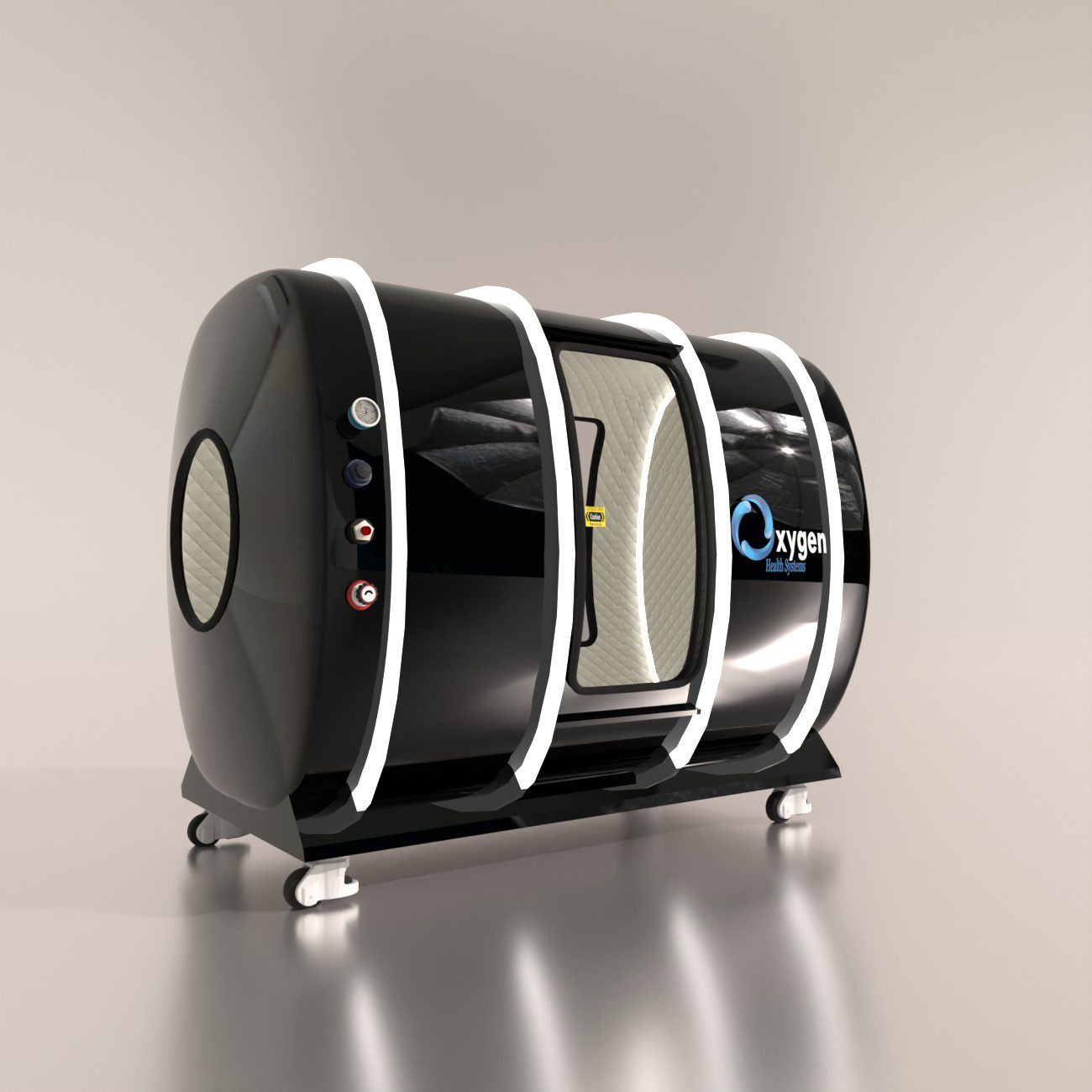
Medical grade hyperbaric chambers support consistent use inside professional clinic environments. Clinics depend on these systems to deliver controlled pressure, reliable oxygen delivery, and stable performance across daily sessions. Design standards focus on safety, durability, and operational consistency, which separates clinical equipment from wellness or home focused options.
What Medical Grade Means in a Clinical Setting
Medical grade refers to equipment engineered for repeated clinical use under defined safety conditions. Higher pressure capability allows clinics to offer broader hyperbaric services without performance limitations. Strong materials and reinforced construction support long operating hours and frequent patient turnover.
Clinical environments demand reliability and predictable outcomes. Equipment quality affects staff confidence, patient trust, and overall workflow. Professional systems align with clinical expectations rather than casual wellness use, which helps clinics maintain credibility and service consistency.
Medical Grade vs Non Medical Chambers
Medical grade systems differ from non medical chambers in structure, controls, and performance capacity. Consumer focused chambers operate at lower pressure levels and restrict treatment flexibility. Limited durability also creates challenges in busy clinic settings.
Clinical facilities must meet higher safety and compliance expectations. Regulatory guidance places responsibility on clinics to operate appropriate equipment. Choosing non medical options can limit services and increase operational risk, while medical grade chambers support long term growth and professional standards.
Types of Hyperbaric Chambers Used in Clinics
Clinic owners encounter several structural options when evaluating hyperbaric systems. Chamber design influences daily workflow, service range, and long term scalability. Clear understanding of available formats helps clinics match equipment choices with patient demand and operational goals without unnecessary complexity.
Hard Shell vs Soft Shell Hyperbaric Chambers
| Feature | Hard Shell Chambers | Soft Shell Chambers |
|---|---|---|
| Structure and durability | Rigid medical grade materials designed for frequent clinical use | Flexible materials intended for light or wellness focused use |
| Operating pressure range | Supports higher pressure levels for advanced clinical applications | Limited pressure output suitable for basic sessions |
| Typical clinical use | Medical practices, sports recovery clinics, integrative health centers | Wellness studios and non clinical environments |
| Pros and limitations | Greater durability and service flexibility with higher investment | Lower entry cost with restricted clinical capability |
Single Place vs Multi Place Hyperbaric Chambers
| Feature | Single Place Chambers | Multi Place Chambers |
|---|---|---|
| Patient capacity | One patient per session | Multiple patients per session |
| Throughput | Supports personalized care and flexible scheduling | Increases session volume and group treatment efficiency |
| Space and staffing | Smaller footprint with simpler staffing needs | Larger space requirements with trained operator support |
| Best fit clinic models | Boutique clinics and specialty practices | High volume clinics and expanding treatment centers |
Proper chamber selection supports patient flow, staffing efficiency, and long term service growth.
Key Factors Clinics Should Consider Before Choosing a Hyperbaric Chamber
Clinic owners make better decisions when evaluation follows a clear structure. Each factor below connects equipment features to daily operations, safety responsibility, and long term clinic growth. Focus on practical fit rather than isolated specifications.
Operating Pressure and Clinical Capabilities
Operating pressure defines how flexible and future ready a clinic remains. Strong pressure capability supports broader services and consistent performance as programs evolve.
- Protocol flexibility: Higher pressure capacity supports a wider range of clinical applications and adapts to changing patient needs.
- Service range: Pressure capability influences which therapy offerings clinics can introduce over time.
- Performance consistency: Stable pressure delivery supports reliable session quality across daily use.
Safety Standards and Compliance
Safety requirements shape suitability for professional environments. Clinics must prioritize systems that protect patients, staff, and business operations.
- FDA cleared status: FDA cleared hyperbaric chambers support regulatory confidence and professional credibility.
- Fire safety materials: Fire resistant construction reduces operational risk within clinical spaces.
- Liability alignment: Integrated safety safeguards support insurance coverage and risk management planning.
Space Installation and Workflow Fit
Facility layout plays a direct role in efficiency and patient experience. Equipment must integrate smoothly into existing clinic operations.
- Facility footprint: Chamber dimensions must align with available space and ceiling height.
- Staff workflow: Proper placement supports efficient scheduling and daily operations.
- Patient comfort: Thoughtful installation improves session flow and reduces disruptions.

Understanding Hyperbaric Chamber Costs for Clinics
Cost evaluation plays a major role in equipment planning for clinical environments. Smart budgeting looks beyond purchase price and focuses on how equipment performs over time. Clinics benefit from understanding what drives cost and how investment choices affect long term operations.
What Influences Hyperbaric Chamber Pricing?
Several technical and facility related factors shape overall investment requirements. Clear awareness of these elements helps clinics compare options without focusing on surface level pricing.
- Chamber design and construction: Structure type, pressure capability, and material quality influence durability and clinical performance.
- Technical specifications: Higher operating capacity and advanced controls increase system complexity and value.
- Installation preparation: Facility readiness, electrical needs, and space modifications affect total setup investment.
Long Term Value vs Upfront Cost
Short term savings often create long term limitations. Clinics gain stronger returns by evaluating ownership value over the full equipment lifespan.
- Maintenance and longevity: Durable systems reduce downtime and long term service expenses.
- Revenue stability: Reliable performance supports consistent scheduling and patient throughput.
- Service expansion: Scalable equipment allows clinics to add offerings without replacement costs.
Common Mistakes Clinics Make When Choosing a Hyperbaric Chamber
Clinic leaders often repeat a few critical errors during equipment selection. Awareness of these mistakes helps protect patient safety, service quality, and long term clinic performance. Each issue below highlights risks that clinics can avoid with informed planning.
- Choosing based on price alone: Lower upfront cost often limits pressure capacity, durability, and clinical flexibility. Budget focused decisions can lead to early replacement and higher ownership expense over time.
- Ignoring future clinic growth: Short term planning restricts expansion and service development. Clinics that fail to plan for higher patient volume may outgrow equipment quickly.
- Overlooking training and long term support: Equipment success depends on proper use and ongoing care. Limited training increases operational risk and staff uncertainty.
How to Make the Final Decision with Confidence
Clear decisions come from alignment rather than impulse. Clinics gain confidence when equipment choice supports real goals, daily operations, and long term direction. Focus on fit and support instead of chasing specifications.
Matching the Chamber to Your Clinic’s Goals
Clinic priorities should guide final selection. Alignment between equipment and purpose ensures practical value and sustainable use.
- Patient profile: Patient demographics influence session length, comfort needs, and service demand.
- Service focus: Treatment offerings determine required performance range and operational capacity.
- Growth outlook: Expansion plans shape scalability and long term equipment suitability.
Questions to Ask Before You Buy
Strong questions reduce risk and reveal vendor reliability. Direct conversations help clinics avoid future limitations.
- Clinic experience: Vendor experience with clinical environments signals operational understanding.
- Training and support: Structured onboarding and ongoing support protect staff confidence and safety.
- Partnership approach: Long term collaboration supports maintenance, upgrades, and service continuity.
Choosing the Right Hyperbaric Chamber Is a Strategic Investment
Hyperbaric equipment decisions influence clinical credibility, operational stability, and long term growth. Clinics that approach selection as an investment rather than a purchase gain stronger control over service quality and patient trust. Thoughtful planning supports consistent outcomes and protects professional reputation.
Equipment alignment with clinic vision determines long term success. Safety standards, performance reliability, and scalability shape how well systems support daily operations and future expansion. Smart choices reduce operational risk and help clinics maintain confidence as demand grows.
Informed decision making benefits from expert guidance and clear evaluation criteria. Clinics that prioritize fit, safety, and support position themselves for sustainable success. Careful selection today creates lasting value for patients, staff, and business performance.
FAQs
What type of hyperbaric chamber works best for a clinic setting?
Clinic environments benefit from medical grade systems designed for frequent use, consistent pressure delivery, and professional safety standards. Equipment choice should align with patient volume, service scope, and long term clinic goals.
How much space should a clinic plan for a hyperbaric chamber?
Space needs depend on chamber size, door clearance, and staff access. Clinics should plan for patient comfort, safe entry and exit, and smooth workflow around the system.
Does a clinic need FDA cleared hyperbaric equipment?
FDA cleared systems support regulatory confidence and professional credibility. Clinical environments rely on recognized safety benchmarks to protect patients, staff, and operations.
Can one hyperbaric chamber support multiple services?
Properly selected equipment can support wellness, recovery, and integrative health programs. Pressure capability and system flexibility determine how services expand over time.
Why does vendor support matter after purchase?
Strong vendor support improves training, maintenance, and long term performance. Reliable guidance helps clinics operate equipment safely and consistently as services grow.
