
Life Style, Health, General
3.0 ATA Hyperbaric Chambers: Who Actually Needs This Level?
Dec
Interest in hyperbaric oxygen therapy continues to rise, yet confusion surrounds pressure levels and clinical purpose. Many readers assume higher pressure always delivers better results or that all chambers offer similar effects. Clinical decision-making does not work that way and relies on defined medical criteria.
ATA means atmospheres absolute and measures pressure compared to sea level. Understanding the hyperbaric ATA meaning explains why pressure drives clinical effect. Higher pressure increases dissolved oxygen in plasma and enables outcomes required only for specific diagnoses. Hyperbaric oxygen therapy pressure levels directly shape how physicians design treatment protocols.
The purpose of this section focuses on evidence-based, medical-only use of 3.0 ATA. Discussion applies to clinical hyperbaric medicine using medical grade hyperbaric chamber systems, not wellness settings or home use.
Understanding the Pressure Spectrum: What Does 3.0 ATA Mean?
Hyperbaric oxygen therapy uses controlled pressure to change how oxygen moves through the body and supports specific clinical goals.
Pressure Levels and Clinical Context
- 1.3 ATA exposure: Usage often appears in non-medical or wellness settings where pressure increase remains limited and does not meet clinical treatment thresholds.
- 2.0 ATA hyperbaric chamber: Physicians use this pressure for select medical indications that require moderate increases in oxygen delivery.
- 3.0 ATA capability: Hospitals rely on this pressure level as the upper standard for medical grade hyperbaric care.
ATA means the atmosphere is absolute and defines pressure relative to sea level. Understanding the hyperbaric ATA meaning explains why pressure selection shapes physiological response rather than comfort or duration.
Physiological Effects at 3.0 ATA
- Plasma oxygen delivery: Increased pressure dissolves oxygen directly into plasma, supporting tissue metabolism when circulation limits red blood cell transport.
- Gas bubble reduction: Elevated pressure decreases bubble volume during embolic events and improves perfusion.
- Infection and inflammation control: Higher oxygen tension enhances immune function, suppresses anaerobic organisms, and influences inflammatory injury pathways.
Who Actually Needs 3.0 ATA? Evidence-Based Medical Indications
The existence of 3.0 ATA capability is not arbitrary. It reflects decades of clinical research, operational experience, and consensus within hyperbaric medicine regarding which conditions may require the highest therapeutic pressures.
Organizations such as the Undersea and Hyperbaric Medical Society establish evidence-based indications for HBOT, while device use and safety are regulated under frameworks overseen by the U.S. Food and Drug Administration. Within these standards, 3.0 ATA is reserved for specific, serious medical scenarios.
Conditions Commonly Requiring 3.0 ATA Capability
Patients who may require access to a 3.0 ATA hyperbaric chamber typically present with conditions that are acute, severe, and often life- or limb-threatening. These include:
- Carbon monoxide poisoning with neurological involvement: In severe cases, higher-pressure HBOT may be used to rapidly displace carbon monoxide from hemoglobin and reduce the risk of delayed neurologic sequelae.
- Arterial or venous gas embolism: Recompression to higher pressures reduces bubble size according to Boyle’s law, restores perfusion, and limits secondary inflammatory injury. Timeliness and adequate pressure are critical.
- Necrotizing soft tissue infections: Conditions such as Fournier’s gangrene involve aggressive, rapidly spreading infections. High-pressure oxygen enhances oxygen-dependent bacterial killing and supports compromised host defenses.
- Crush injuries, compartment syndrome, and acute traumatic ischemias: When tissue perfusion is impaired by swelling or vascular injury, plasma-dissolved oxygen at higher ATA levels can help preserve marginal tissue and reduce edema.
- Delayed radiation injury: Soft tissue radionecrosis and osteoradionecrosis involve chronically hypoxic, fibrotic tissue. Higher pressures support angiogenesis and fibroblast activity necessary for healing.
- Refractory osteomyelitis: Chronic bone infections that fail standard therapy may require higher oxygen tensions to enhance immune response and antibiotic effectiveness.
- Compromised skin grafts and flaps: In cases of threatened viability, maximal oxygen diffusion can be decisive in graft or flap salvage.
Across all of these indications, several themes are consistent:
- The conditions are medically serious and often urgent
- Treatment protocols are standardized and diagnosis-driven
- Care is directed by physicians trained in hyperbaric medicine
- Therapy is delivered in controlled, accredited medical environments
Clinical necessity and diagnosis-driven criteria define who requires 3.0 ATA rather than consumer interest or personal preference.
3.0 ATA vs Lower Pressure HBOT: A Critical Clinical Distinction
One of the most persistent sources of confusion around HBOT is the assumption that lower-pressure systems can deliver equivalent medical benefits if used frequently or for longer durations. This is not supported by hyperbaric physiology or clinical evidence.
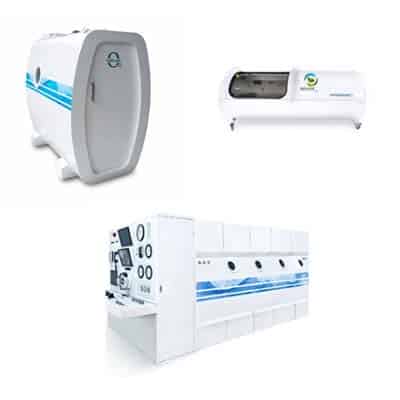
Medical-grade hyperbaric therapy is delivered in rigid chambers designed to safely achieve and maintain high pressures, including:
- Monoplace hyperbaric chambers, which treat one patient at a time
- Multiplace hyperbaric chambers, which accommodate multiple patients and medical staff
These systems are engineered with redundant safety mechanisms, continuous monitoring, and emergency protocols appropriate for high-pressure oxygen environments.
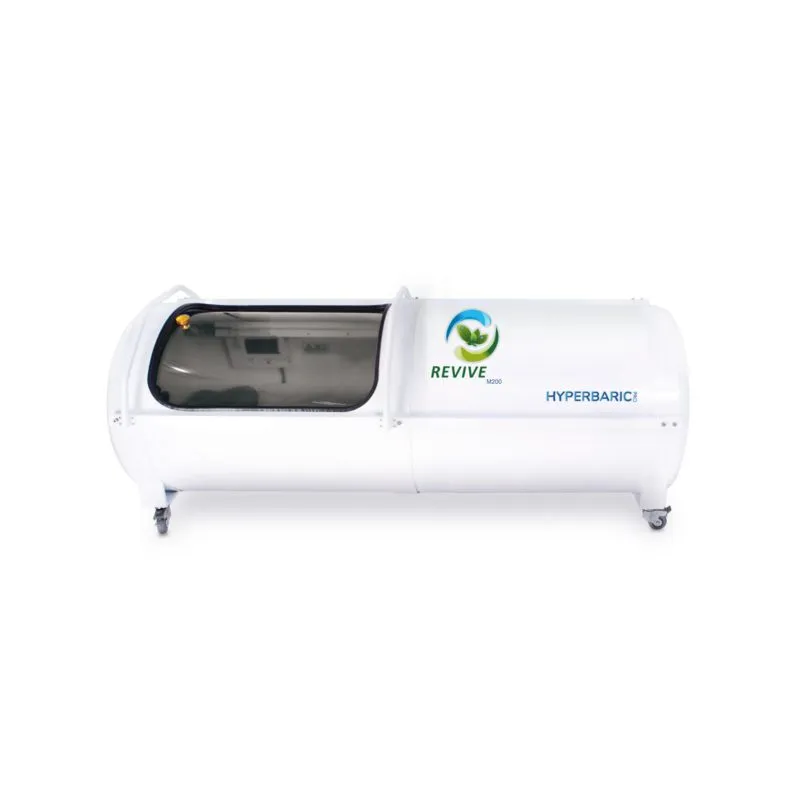
By contrast, mild or soft-shell chambers operate at significantly lower pressures and lack the ability to generate the plasma oxygen concentrations required for treating embolic events, necrotizing infections, or acute ischemic injuries.
Key differences include:
- Physiology: Lower pressures cannot achieve the same oxygen diffusion gradients
- Indications: Mild exposure is not indicated for life-threatening conditions
- Engineering: High-pressure chambers require industrial-grade design and oversight
- Clinical context: Medical HBOT is protocol-driven and physician-supervised
This is why 3.0 ATA is not interchangeable with lower-pressure HBOT. Pressure determines indication, and indication determines setting.
How Patients Access 3.0 ATA Hyperbaric Oxygen Therapy
Legitimate 3.0 ATA hyperbaric oxygen therapy is available almost exclusively within established medical systems. Common settings include:
- Hospital hyperbaric medicine departments
- Specialized wound care centers
- Accredited hyperbaric medicine facilities
Access to treatment typically requires:
- A confirmed medical diagnosis that meets accepted criteria
- Referral and prescription from a qualified physician
- Oversight by a physician trained in hyperbaric medicine
- Adherence to standardized treatment protocols and safety procedures
Coverage may be provided by insurance for recognized indications, while other cases may involve self-pay arrangements depending on diagnosis and policy. Importantly, access is determined by medical necessity, not by consumer demand or personal ownership.
This structure exists to protect patients. The same pressure that enables life-saving physiological effects also carries risk if used improperly or without appropriate monitoring.
Defining the Role of the 3.0 ATA Hyperbaric Chamber
A 3.0 ATA hyperbaric chamber serves as a medical-grade tool built for high acuity clinical care. Clinical teams use this pressure level for conditions that demand maximum oxygen delivery under strict protocols. Hyperbaric oxygen therapy at this level supports complex treatment goals that lower pressure systems cannot meet safely or effectively.
Patients who require this capability present with clearly defined diagnoses such as severe carbon monoxide poisoning, gas embolism, necrotizing infections, traumatic ischemia, radiation injury, refractory bone infection, or compromised grafts. Care occurs inside accredited facilities under physician supervision where hyperbaric oxygen therapy pressure levels align with diagnosis and urgency.
Understanding hyperbaric ATA meaning protects patient safety and preserves clinical standards. Speak with Hyperbaric Pro to discuss medical grade hyperbaric chamber solutions designed for regulated clinical environments.
📞 Call Now to Consult with a Specialist: +1 (630) 812-7865
FAQs
Who decides if a patient needs a 3.0 ATA hyperbaric chamber?
A physician trained in hyperbaric medicine evaluates diagnosis, severity, and risk before selecting pressure. Clinical guidelines and evidence drive each decision.
Does higher ATA always lead to better outcomes?
Higher pressure does not guarantee better results. Hyperbaric oxygen therapy pressure levels must align with the medical indication to remain safe and effective.
Can lower pressure chambers replace 3.0 ATA treatment?
Lower pressure systems cannot achieve the plasma oxygen levels required for high acuity conditions. Medical grade hyperbaric chamber programs use 3.0 ATA when maximum oxygen delivery matters.
Where do patients receive 3.0 ATA hyperbaric oxygen therapy?
Hospitals and accredited wound care centers provide access to hospital hyperbaric chamber environments with trained staff and continuous monitoring.
Why does understanding hyperbaric ATA meaning matter?
Clear understanding of hyperbaric ATA meaning supports proper pressure selection and protects patients from inappropriate non clinical use.
