
No products in the cart.
$14,900.00
$10,900.00

$13,300.00
$10,990.00
Hyperbaric Chambers Under $10,000
$6,729.00
$54,000.00
$62,000.00
$36,900.00
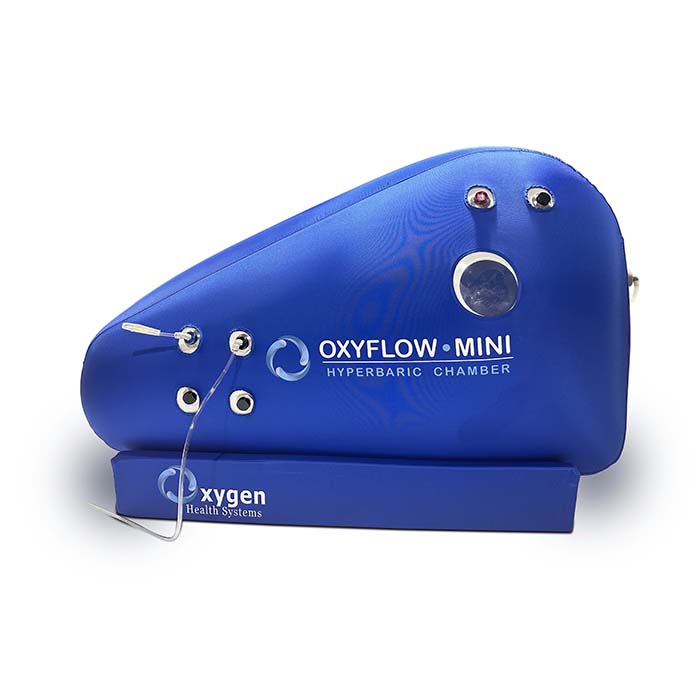
Hyperbaric Chambers Under $10,000
$9,890.00
$13,299.00
Hyperbaric Chamber for Beauty Salon
$12,900.00
$12,900.00
Hyperbaric Chamber for Beauty Salon
$35,490.00
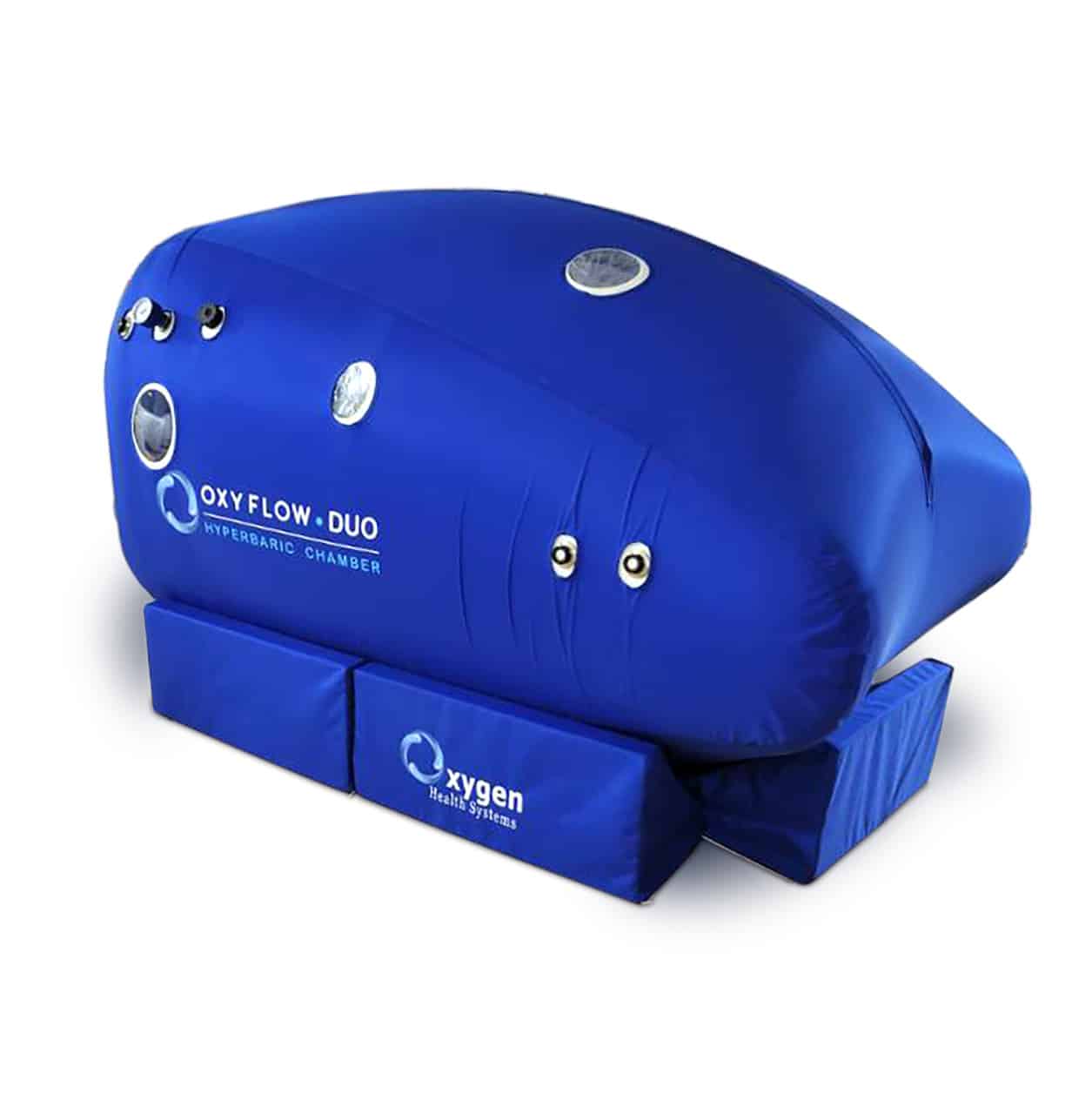
$15,960.00
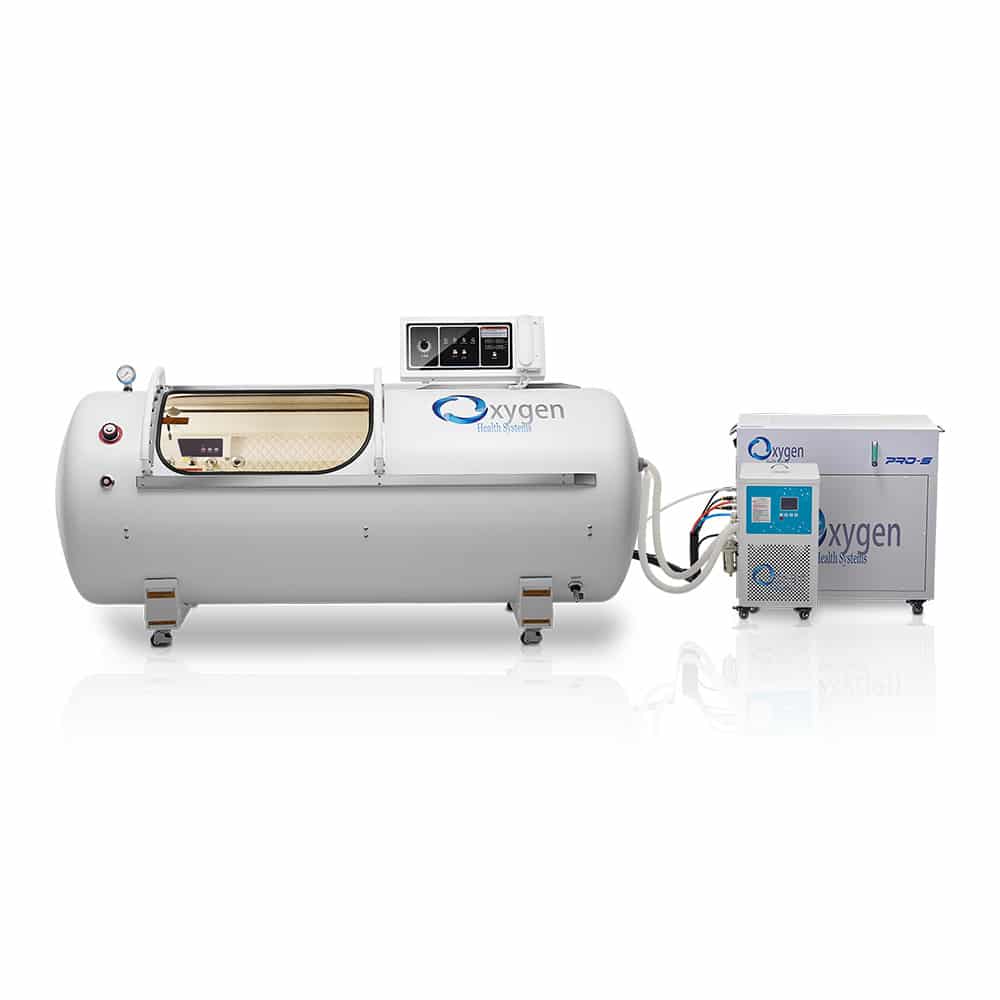
$39,900.00
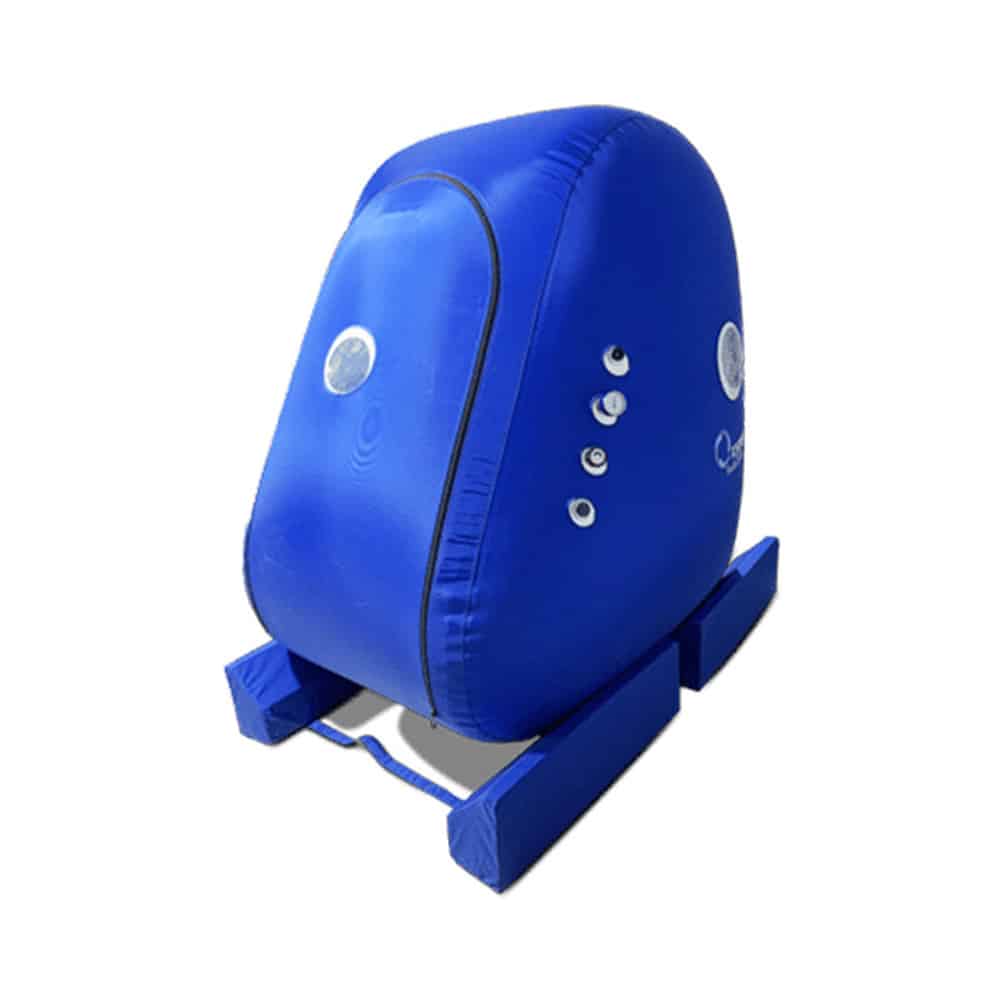
$13,499.00
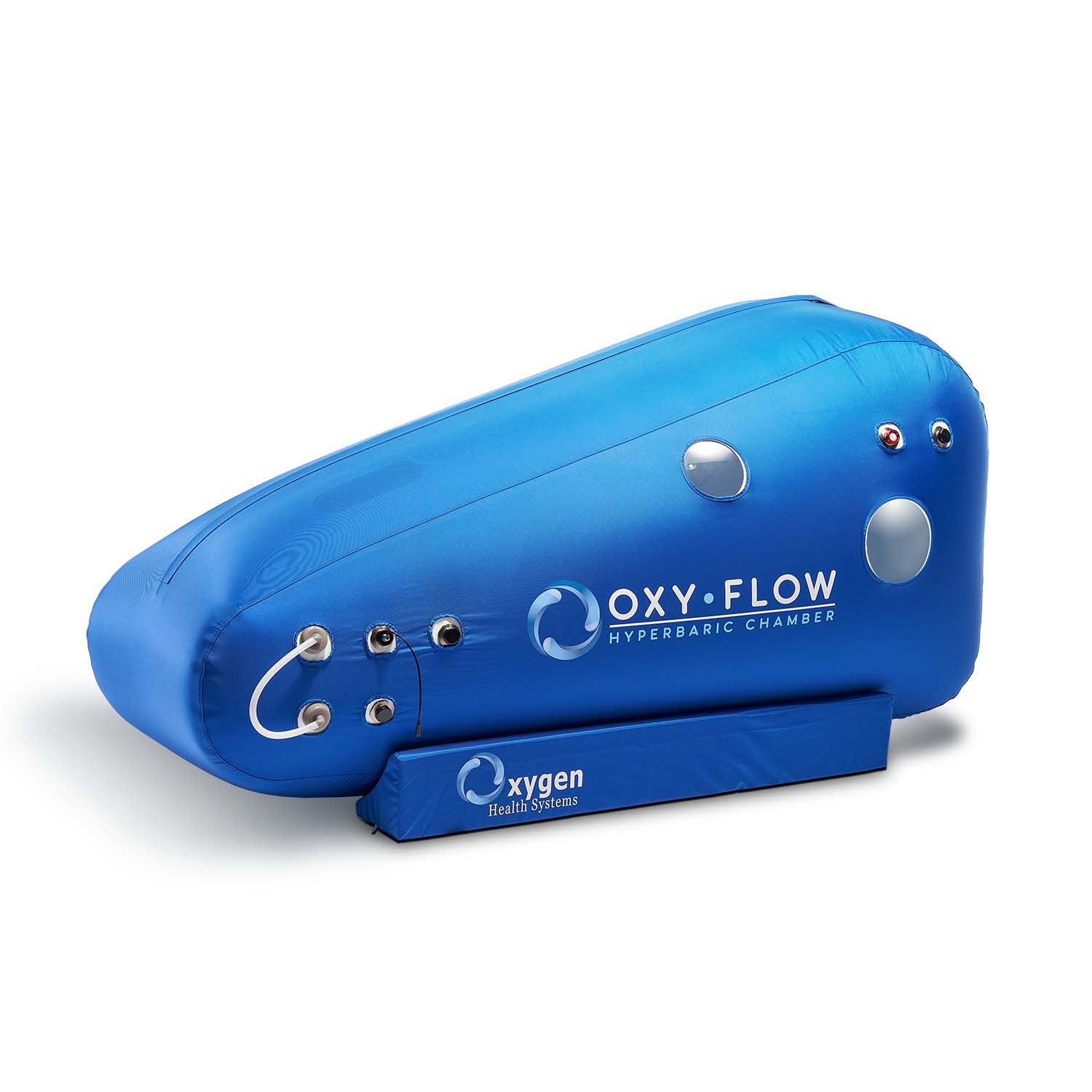
$10,990.00
✔ From $6,729 ✔ 1.5 ATA Recovery Models ✔ Built by Oxygen Health Systems ✔ ISO 9001 / 14001 / 13485 ✔ Used by Pro Athletes and Clinics ✔ 3-Year Warranty
A hyperbaric chamber for athletes does one thing better than ice baths, massage guns, or a day off: it floods recovering tissue with oxygen. You lie down at 1.3 to 1.5 ATA, breathe, and your blood plasma carries far more dissolved oxygen than it does at sea level. That oxygen reaches the fatigued muscle and soft tissue that normal circulation struggles to feed after a hard session.
Pro teams across the NFL, NBA, and endurance sports have used HBOT for athletes for years. Now the same chambers are in spare rooms and home gyms, and hyperbaric chamber sports recovery setups start at $6,729. Models here start at $6,729 and run up to roughly $15,900. Want the science behind it first? Read why athletes use hyperbaric chambers, then compare models below.
How Hyperbaric Therapy Helps Athletes Recover
Does hyperbaric therapy work for athletes? Research on hyperbaric oxygen therapy for athletes links HBOT to less inflammation, faster soft-tissue repair, and quicker turnaround between training loads. Here's the mechanism in plain terms. At 1.5 ATA, more oxygen dissolves directly into blood plasma instead of riding only on red blood cells. Plasma goes everywhere, including swollen or injured spots where blood flow has slowed to a trickle.
That extra oxygen supports collagen production, which matters for tendons, ligaments, and muscle fiber. It also helps clear the metabolic waste that builds up after a brutal workout, which is why hyperbaric chamber for muscle recovery use has grown across every sport. Timing counts more than most people realize. Sessions within 24 to 48 hours of a hard effort or an injury show the strongest link to recovery in the available studies. These statements have not been evaluated by the FDA.
What ATA Do Athletes Need?
Most sports recovery happens at 1.3 to 1.5 ATA in a soft chamber, and hyperbaric therapy for athletes rarely needs more. You don't need clinical pressure to recover from training. Here's how the ladder breaks down.
1.3 ATA handles daily home recovery and is the easiest on the wallet. 1.4 ATA bumps pressure 33% higher than the 1.3 most competitors stop at. 1.5 ATA is the top of the soft-shell range, roughly 50% more pressure than the air around you, and it's what serious athletes and sports medicine rooms tend to pick.
Need protocols above 1.5 ATA? That's clinical territory, and it calls for a hard shell hyperbaric chamber. For everyday training recovery, a 1.5 ATA soft chamber is the sweet spot.
How Often Should Athletes Use a Hyperbaric Chamber?
Most athletes run 3 to 5 sessions a week, 60 to 90 minutes each. That's the rhythm that fits a normal training calendar without taking over your life.
Working through an acute injury? Daily sessions for a week or two are common until things settle. Once you're back to maintenance, 2 to 3 times a week keeps the benefit topped up. And if you can, get in within a day or two of a big game or a heavy block. That's when the recovery link is strongest. Anyone with a medical condition should check with a healthcare provider before setting a schedule. Hyperbaric chamber recovery time between training sessions depends on your sport and load, but most athletes notice a real difference within the first two to three weeks of consistent use.
Best Hyperbaric Chambers for Athletes
There's no single best hyperbaric chamber for athletes. Body size, ceiling height, and whether you'd rather lie flat or sit upright decide which chamber fits. Four models cover most athletes.
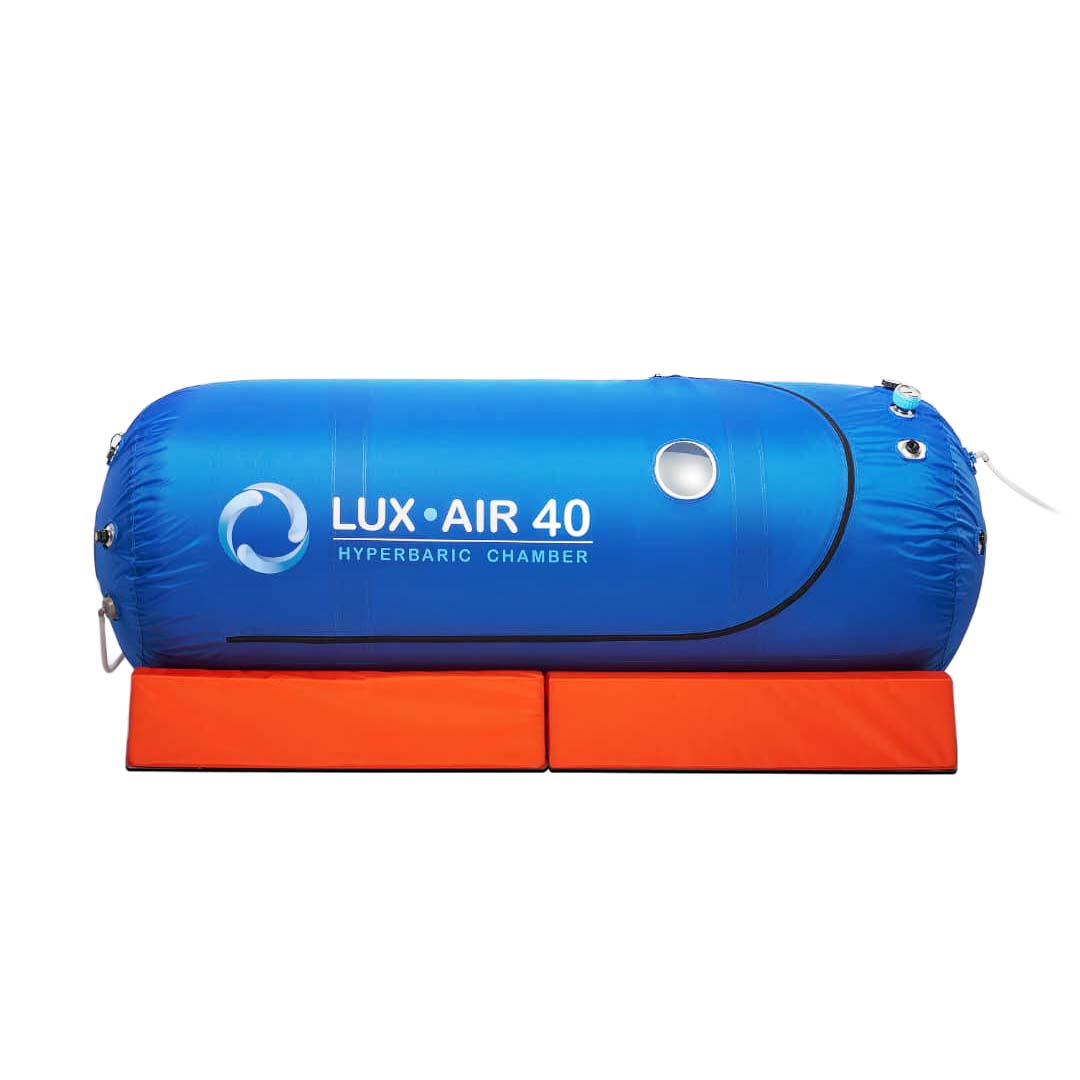
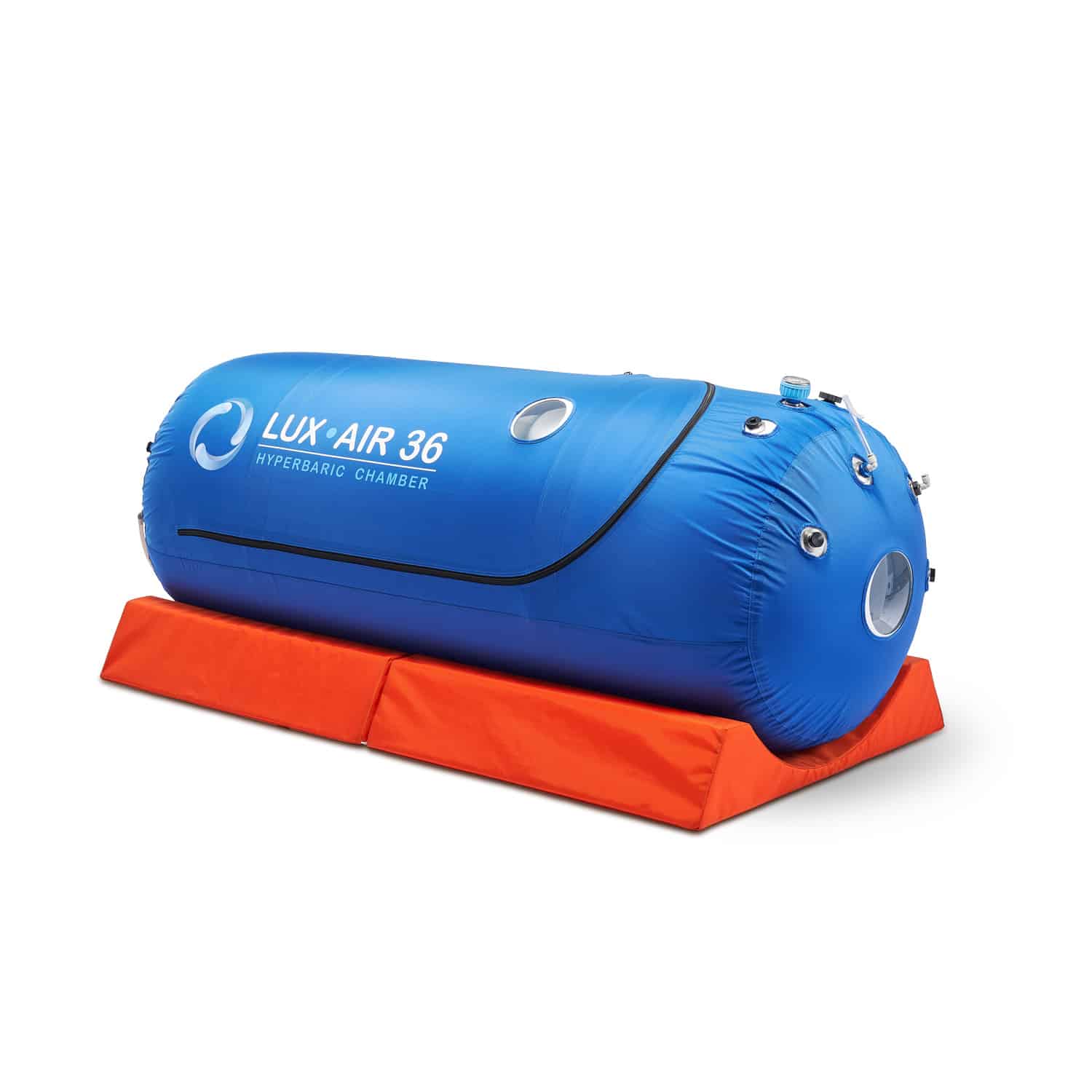
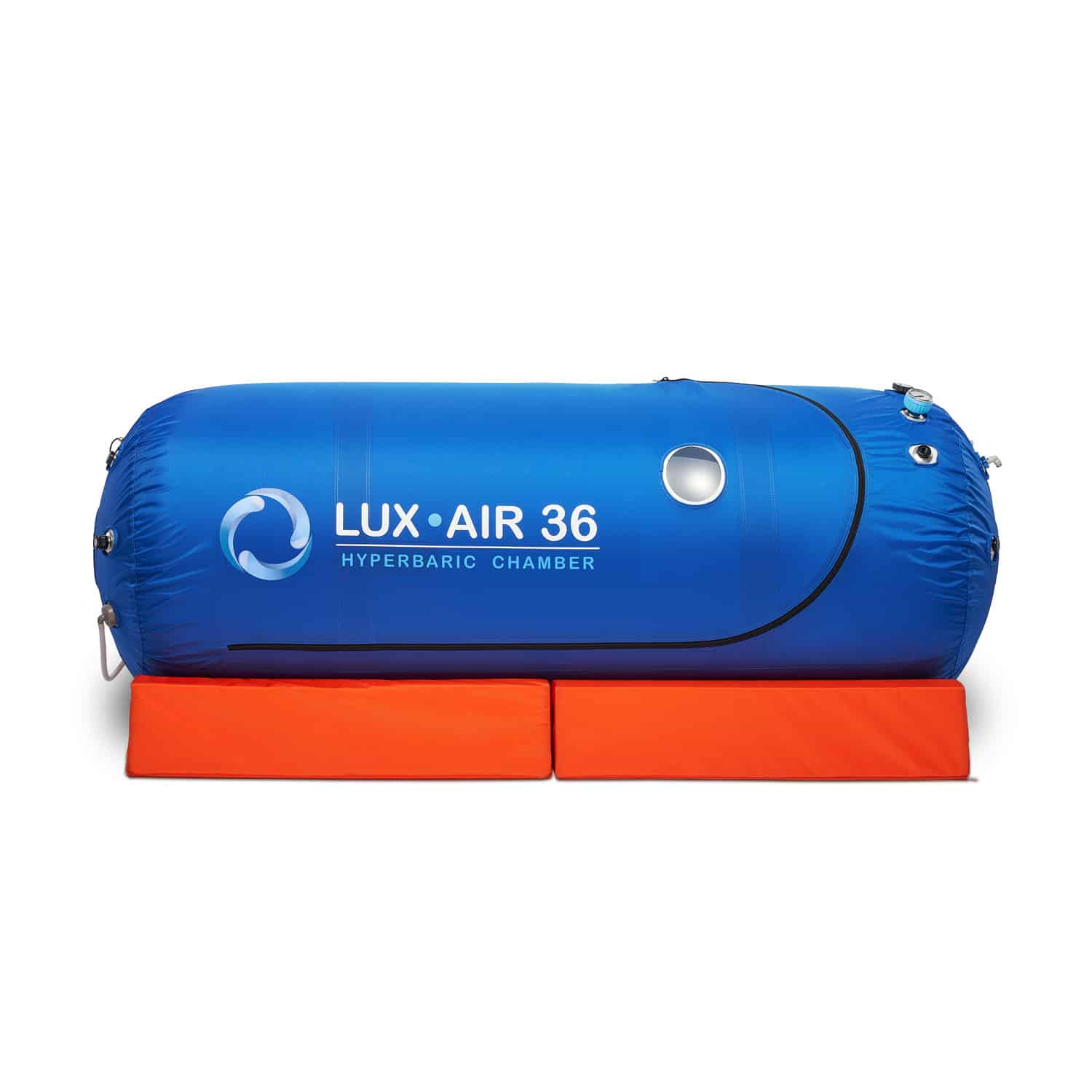
LUX-AIR 36-Inch. The one bigger and pro athletes keep picking. Its J-style side door means you step in instead of climbing into a tube, which matters if you've got cranky knees or a recent joint replacement. Roomy enough that clinics use it to fit every body size. Runs 1.3 or 1.4 ATA, built from 44 oz TPU with penta-welded windows. Priced from about $12,900.
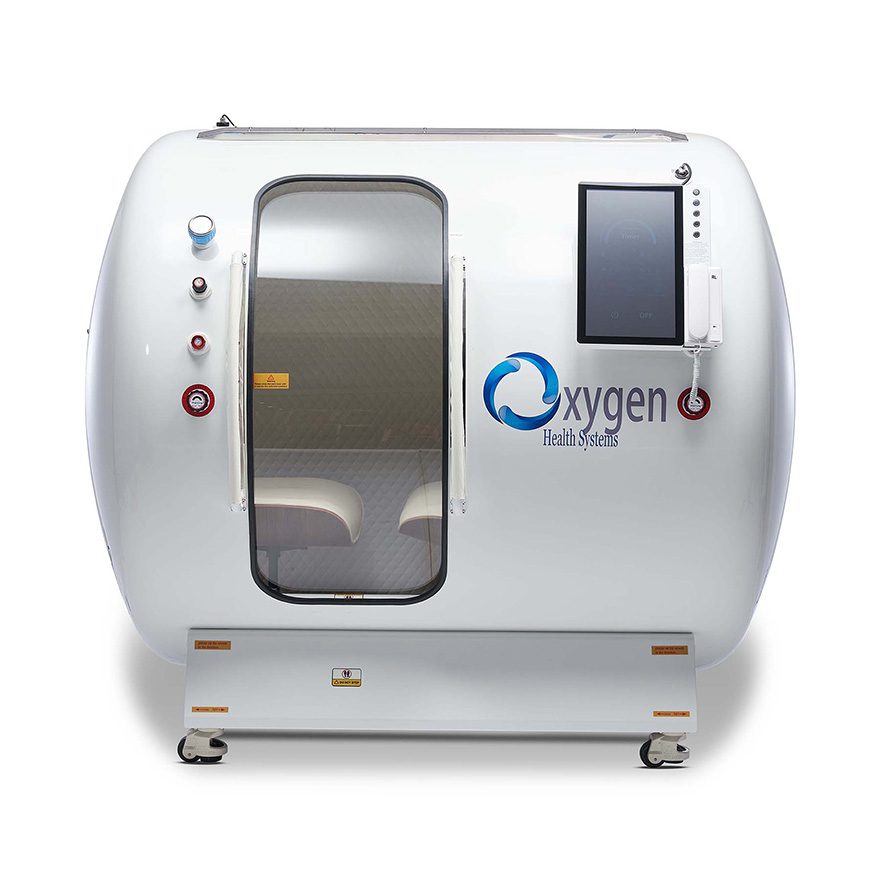
Elite Serene Max. A 1.5 ATA sitting and reclining chamber with an adjustable chair that goes from upright to flat. The 89-inch length lets taller athletes actually stretch out. Comes with a 10 LPM oxygen generator at 95% purity for stronger sessions.
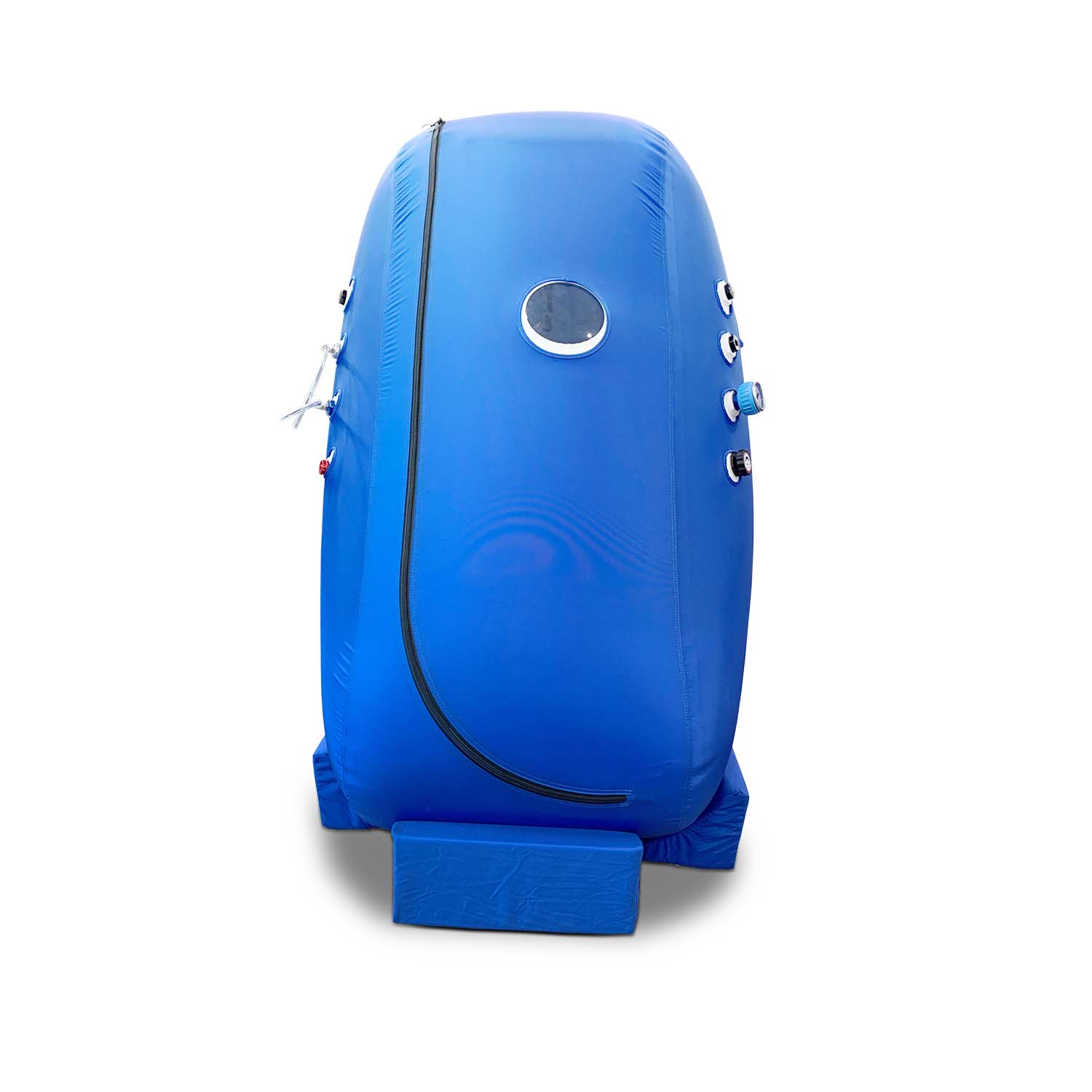
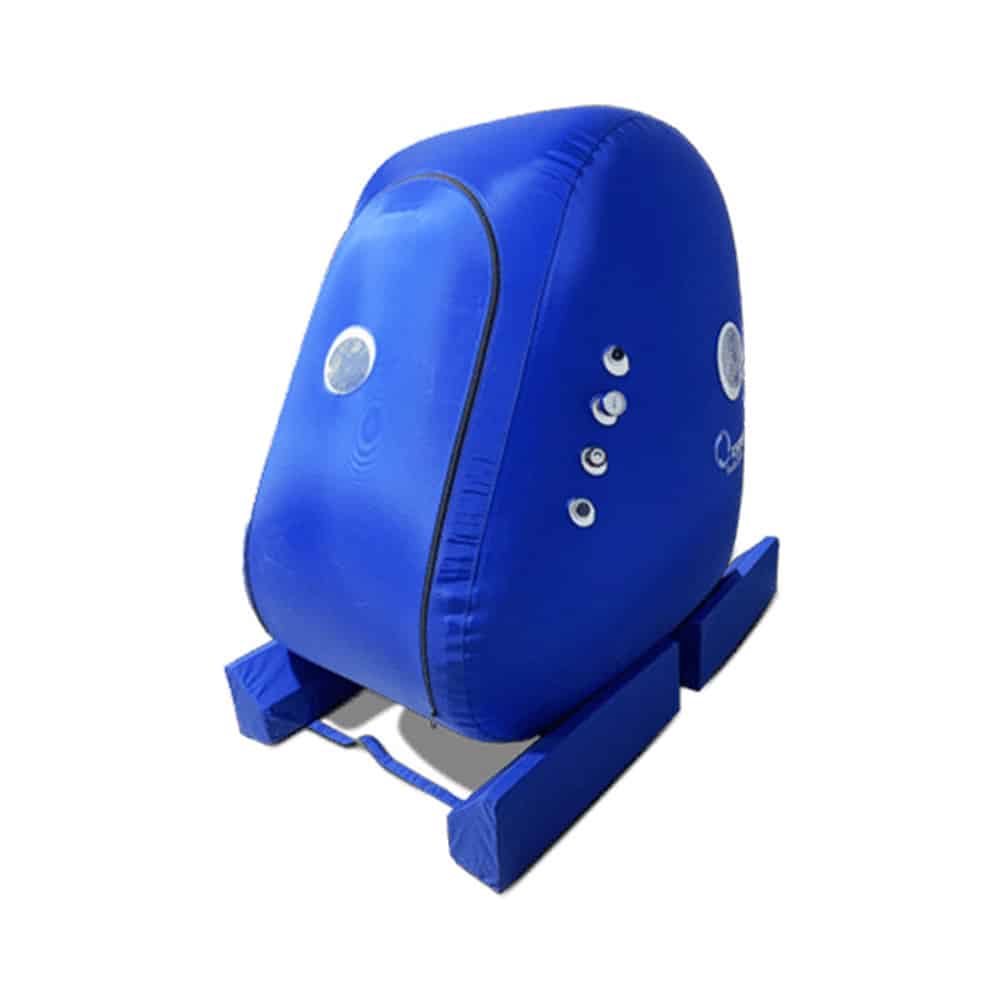
Vertical Mini (1.5 ATA). Full 1.5 ATA pressure in a footprint that tucks into a home gym or a corner of the garage. NASA-grade 44 oz TPU, a built-in dehumidifier so it doesn't get muggy, and a 3-year warranty.
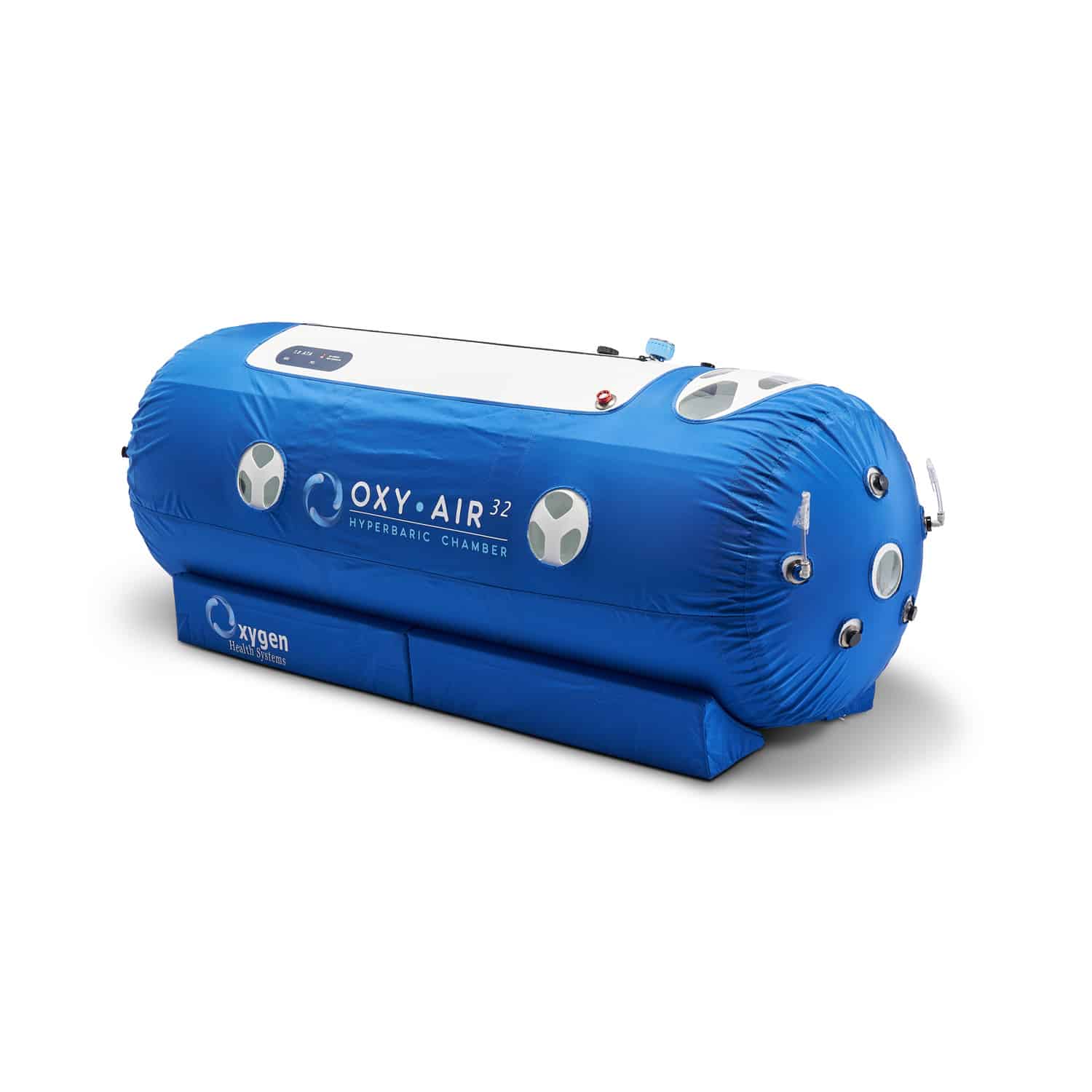
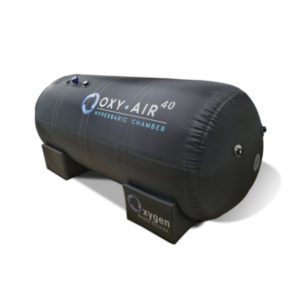
OxyAir 40-Inch. The largest lying option, built for team facilities or households where more than one person trains. Every one of these is made by Oxygen Health Systems and certified to ISO 9001, 14001, and 13485.
Why Athletes Buy From Hyperbaric Pro
Most sites selling these chambers are resellers. We're not. Every chamber here is made by Oxygen Health Systems in Woodridge, Illinois, with manufacturing certified to ISO 9001, ISO 14001, and ISO 13485. You're buying from the people who actually build the thing.
And these are built to outlast your career. The chamber system is rated for 39 years at an hour a day, five days a week. Test units have run past 43,000 hours at higher pressure with no faults. We've heard from buyers who grabbed a used chamber off eBay to save money, only to find it leaking at pressure. A new system from the manufacturer skips that headache. Pricing starts at $6,729, financing is available, and HSA or FSA funds may apply when a physician documents a qualifying need. Questions? Call an oxygen specialist at +1 (630) 812-7865.
Frequently Asked Questions
Do hyperbaric chambers work for athletes?
Research on athletic recovery links hyperbaric oxygen therapy to less inflammation, faster soft-tissue repair, and quicker recovery between sessions. At 1.5 ATA, your blood carries more dissolved oxygen to tired muscle and injured tissue. Pro teams across several sports use HBOT as a recovery tool. These statements have not been evaluated by the FDA.
How often should an athlete use a hyperbaric chamber?
Most athletes use a chamber 3 to 5 times a week in 60 to 90 minute sessions. Acute injury recovery may call for daily sessions over 1 to 2 weeks, then drops to 2 to 3 times weekly for maintenance. Sessions within 24 to 48 hours of intense training or injury show the strongest recovery link in available research.
What ATA is best for athletic recovery?
Athletic recovery usually uses 1.3 to 1.5 ATA soft chambers. The 1.5 ATA models deliver the highest soft-shell pressure and the biggest jump in dissolved oxygen, which is why serious athletes and sports medicine facilities lean toward them. Protocols above 1.5 ATA need a hard shell clinical chamber.
How much does a hyperbaric chamber for athletes cost?
Athlete-suitable chambers from Hyperbaric Pro start at $6,729 and reach roughly $15,900 for premium 1.5 ATA and large-diameter models. The LUX-AIR line runs from about $12,900. Financing spreads payments monthly, and HSA or FSA funds may apply with physician documentation.
Which hyperbaric chamber is best for athletes?
For bigger and pro athletes, the LUX-AIR 36-inch gives you a roomy interior and easy J-style entry. For the highest soft-shell pressure, the Elite Serene Max and Vertical Mini both run at 1.5 ATA. It comes down to your body size, your space, and whether you'd rather lie flat or sit upright.
Can athletes use a hyperbaric chamber at home?
Yes. These soft chambers need no installation, inflate in 5 to 10 minutes, and run on a standard outlet. They're made by Oxygen Health Systems, certified to ISO 9001, 14001, and 13485, and include dual pressure relief valves plus an emergency depressurization button. Follow the session guidelines, and check with a healthcare provider if you have a medical condition.
Build Your Recovery Setup
Match a chamber to your sport, your body size, and your training schedule. Talk to an OHS oxygen specialist before you buy.